When a Cancer Mutation Isn’t a Guarantee: Unpacking Genetic Risk
Some links in this article are affiliate links. As an Amazon Associate and partner of other programs, Vitalheros may earn a commission from qualifying purchases, at no extra cost to you. This never influences our editorial coverage.
In the intricate landscape of human health, few topics evoke as much apprehension and misunderstanding as cancer. For many, the diagnosis of a ‘cancer-driving’ genetic mutation can feel like a predetermined sentence. However, emerging scientific understanding reveals a more nuanced reality: the presence of such a mutation does not automatically equate to disease development. This evolving perspective challenges long-held assumptions, offering a deeper insight into the complex interplay between our genetic blueprint and our health destiny.
At Vitalheros.com, we believe in empowering our readers with precise, evidence-based information. This article delves into why a significant genetic alteration, often implicated in cancer progression, might not manifest as the disease, exploring the crucial factors that influence this delicate balance.
The Complex Dance of Genes and Cancer
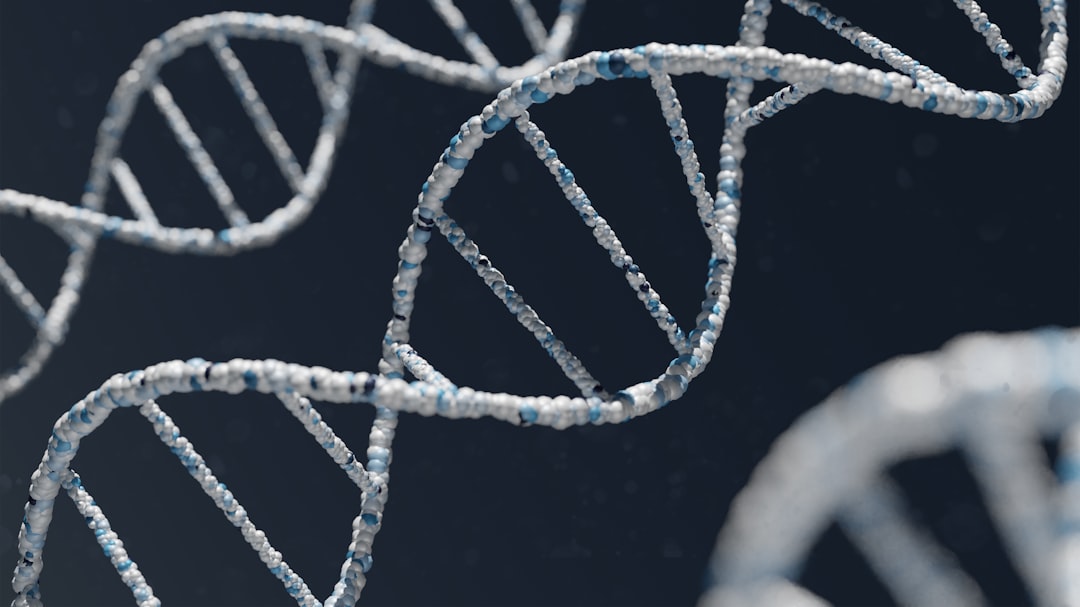
Our bodies are governed by an instruction manual – our DNA – which contains genes responsible for countless cellular functions, including growth, division, and repair. When these genes undergo specific changes, known as mutations, they can sometimes disrupt normal cellular processes. Mutations in certain genes, often categorized as oncogenes or tumor suppressor genes, are particularly notorious for their potential role in driving cancer.
Oncogenes, when mutated, can promote uncontrolled cell growth, akin to a faulty accelerator pedal stuck in the ‘on’ position. Tumor suppressor genes, conversely, normally act as brakes, preventing excessive cell division and initiating cell death when necessary. Mutations in these genes can disable their protective function, allowing abnormal cells to proliferate unchecked. It’s a widely accepted principle that cancer typically arises from an accumulation of such genetic errors over time.
Yet, the mere presence of one or even several ‘cancer-driving’ mutations is not always sufficient to trigger the disease. The human body possesses remarkable resilience and sophisticated defense mechanisms. The development of cancer is a multi-step process, influenced by a multitude of factors that extend far beyond a single genetic alteration.
Beyond the Blueprint: Factors Influencing Disease Development
Understanding why a genetic mutation might not manifest as cancer requires looking at the broader context of human biology and environmental interaction. It’s a compelling story of genetic predisposition meeting environmental triggers, modulated by the body’s inherent protective systems.
Somatic vs. Germline Mutations
A critical distinction lies between somatic and germline mutations. Germline mutations are inherited from parents and are present in virtually every cell of the body from conception. These are the mutations often identified in genetic testing for hereditary cancer syndromes (e.g., BRCA1/2 for breast and ovarian cancer). While they confer a significantly increased lifetime risk, they do not guarantee disease.
Somatic mutations, on the other hand, are acquired during a person’s lifetime. They arise from environmental exposures (like UV radiation or tobacco smoke), errors during DNA replication, or other cellular stressors. These mutations are only present in specific cells or tissues, not throughout the entire body. A cancer-driving somatic mutation might occur in a cell, but if that cell does not gain further enabling mutations or if it is eliminated by the immune system, it may never progress to cancer.
The Role of Environmental and Lifestyle Factors
Our daily choices and exposures play a profound role in interacting with our genetic predispositions. Lifestyle factors can either promote or suppress the conditions under which mutations might lead to cancer. Consider these examples:
- Diet: Poor nutrition, high in processed foods and low in antioxidants, can create an inflammatory environment that fosters cellular damage.
- Physical Activity: Regular exercise is linked to reduced inflammation, improved immune function, and healthier cell metabolism.
- Exposure to Toxins: Carcinogens in tobacco smoke, industrial pollutants, or excessive UV radiation can directly damage DNA, increasing the likelihood of acquiring somatic mutations.
- Chronic Inflammation: Persistent inflammation, often linked to lifestyle, can create a microenvironment conducive to cancer growth and progression.
Even with a germline predisposition, a healthy lifestyle can potentially mitigate risk by reducing the burden of somatic mutations and supporting cellular health.
The Body’s Defenses: Repair Mechanisms and Immune Surveillance
Our cells are equipped with an impressive array of DNA repair mechanisms that constantly monitor and correct errors. Before a mutated cell can become cancerous, it must evade these sophisticated repair systems. If a mutation isn’t repaired, the cell might still be flagged for destruction by programmed cell death (apoptosis).
Furthermore, our immune system acts as a vigilant sentinel, identifying and eliminating abnormal cells, including those with cancer-driving mutations, before they can form a tumor. This process, known as immune surveillance, is a crucial line of defense. A robust immune system can effectively clear potentially cancerous cells, explaining why some individuals with mutations never develop the disease.
The Concept of Incomplete Penetrance
In genetics, incomplete penetrance describes a situation where an individual carries a gene mutation that is known to cause a disease, but does not develop the disease. This phenomenon is particularly relevant in hereditary cancer syndromes. For example, not every person with a BRCA1 or BRCA2 mutation will develop breast or ovarian cancer, even though their risk is substantially elevated compared to the general population. This highlights that the gene is a significant risk factor, but not a deterministic switch.
“The presence of a genetic mutation is a piece of the puzzle, not the entire picture. It influences risk, but doesn’t dictate destiny in isolation.”
Implications for Cancer Screening and Prevention
This nuanced understanding of genetic mutations has profound implications for how we approach cancer screening, prevention, and personalized medicine. It underscores the importance of a holistic perspective that integrates genetic information with lifestyle, environmental factors, and individual health profiles.
For individuals undergoing genetic testing, a positive result for a cancer-driving mutation should prompt a conversation about personalized risk management, not immediate panic. It signifies an increased susceptibility, which can then inform targeted screening protocols, preventative strategies (like chemoprevention or prophylactic surgery in some high-risk cases), and aggressive lifestyle modifications. It emphasizes that while genetics load the gun, environment and lifestyle pull the trigger – or keep it holstered.
A Future of Precision and Nuance
As research advances, our ability to understand the precise conditions under which a mutation progresses to cancer will improve. This will lead to even more personalized risk assessments, moving beyond simply identifying a mutation to predicting its likelihood of causing disease based on a broader range of biological and environmental markers. Future diagnostics may incorporate not just genetic sequencing, but also epigenetic profiles, microbiome analysis, and detailed lifestyle data to create a truly comprehensive risk picture.
The journey from a single mutated cell to a full-blown tumor is complex, involving numerous biological checkpoints and environmental interactions. Recognizing that a ‘cancer-driving’ mutation is not always a direct path to disease empowers us to focus on multifactorial prevention strategies and to interpret genetic information with greater precision and hope.
Ultimately, this evolving scientific landscape reinforces a powerful message: while we cannot change our inherited genes, we have significant agency over many of the factors that interact with those genes. This knowledge is not just academic; it’s a vital tool for informed decision-making and proactive health management, fostering a future where longevity and well-being are within reach for more individuals.
Explore more in our Digital Health coverage.
🔬 Scientific Takeaway
The presence of a 'cancer-driving' genetic mutation does not automatically lead to cancer development. Disease manifestation is influenced by a complex interplay of factors, including whether the mutation is germline or somatic, environmental exposures, lifestyle choices, and the body's inherent DNA repair and immune surveillance mechanisms. This concept, known as incomplete penetrance, highlights that genetic predispositions increase risk but do not solely determine disease outcome, emphasizing the importance of holistic risk assessment and prevention strategies.
Sources & References
Photo by Warren Umoh on Unsplash.
Medical Disclaimer: This article is AI-assisted and reviewed by the Vitalheros editorial team. It is provided for informational purposes only and is not a substitute for professional medical advice, diagnosis, or treatment. Always consult a qualified healthcare provider. Reviewed by The Vitalheros Editorial Team.