
Paid Paternity Leave: A Vital Support for New Fathers’ Mental Health
Some links in this article are affiliate links. As an Amazon Associate and partner of other programs, Vitalheros may earn a commission from qualifying purchases, at no extra cost to you. This never influences our editorial coverage.
The Evolving Landscape of Fatherhood
For generations, the narrative around new parenthood has largely centered on mothers. From pregnancy to childbirth and the postpartum period, the physical and emotional toll on women has rightly received significant attention. However, the experience of becoming a father, while different, is equally transformative and can present its own unique set of challenges to mental well-being. Modern fatherhood involves a deeper level of engagement and responsibility than ever before, yet societal structures and workplace policies often lag in acknowledging this crucial shift.
The transition to fatherhood can bring immense joy, but also considerable stress, sleep deprivation, financial pressures, and a redefinition of identity. In this demanding period, the presence and active participation of a father are invaluable, not just for the child and partner, but also for the father’s own psychological health. Increasingly, research is shining a light on the critical role that supportive policies, particularly paid paternity leave, can play in ensuring new fathers thrive.
Paid Paternity Leave: A Cornerstone of Paternal Mental Health
A recent study highlights a compelling link between access to paid paternity leave and improved mental health outcomes for new fathers. This finding underscores the profound impact that dedicated, compensated time away from work can have during the foundational weeks and months of a child’s life. It moves beyond the traditional view of leave solely as a benefit for mothers, recognizing fathers as primary caregivers and essential contributors to family well-being from day one.
When fathers have the opportunity to take paid leave, they are often better equipped to navigate the complexities of new parenthood without the added burden of immediate financial strain. This financial security allows them to focus on their family, bond with their newborn, and support their partner, rather than worrying about lost income. The implications extend far beyond mere economics, touching on emotional resilience and the establishment of healthy family dynamics.
Beyond Financial Stability: The Multifaceted Benefits
The positive effects of paid paternity leave on fathers’ mental health stem from several interconnected factors:
- Enhanced Bonding and Attachment: Early, uninterrupted time with a newborn is crucial for developing strong paternal bonds. Fathers who take leave report feeling more connected to their infants, which can reduce feelings of isolation and inadequacy often associated with new fatherhood. This direct involvement helps fathers find their footing in their new role, fostering confidence and reducing anxiety.
- Reduced Stress and Burnout: The demands of caring for a newborn can be overwhelming for any parent. When fathers are able to share responsibilities like feeding, changing, and comforting, it alleviates pressure on both parents. This shared burden can significantly reduce stress levels for fathers, mitigating the risk of paternal burnout and contributing to a more balanced household environment.
- Improved Maternal Well-being: A father who is present and engaged can provide invaluable support to his partner, particularly during the postpartum period. This support can lead to better mental health outcomes for mothers, which, in turn, positively impacts the father’s own mental state. A healthier, more harmonious home environment benefits everyone.
- Integration of New Identity: Becoming a parent is a profound identity shift. Paid leave allows fathers to fully embrace this new role without immediately having to juggle intense work demands. This dedicated period can help fathers integrate their new identity as a parent with their professional life, leading to greater overall satisfaction and reduced internal conflict.
The Broader Societal and Economic Impact
The benefits of paid paternity leave extend beyond individual families, contributing to healthier societies and potentially more equitable workplaces. When fathers take leave, it challenges traditional gender roles, promoting a more balanced distribution of caregiving responsibilities. This shift can empower women to return to work more easily and reduce the gender pay gap by fostering a more level playing field in career progression.
Despite the clear advantages, access to comprehensive paid paternity leave remains uneven globally. Many countries offer limited or no paid leave for fathers, reflecting outdated views on parental roles. Advocates for broader adoption of paid paternity leave argue that it is not just a family-friendly policy, but an economic imperative and a public health measure. Investing in parental leave is an investment in the health and well-being of the next generation.
A Call for Comprehensive Parental Support
While paid paternity leave is a powerful tool, it is one component of a larger ecosystem of support that new parents need. Employers can further contribute by fostering a culture that values work-life balance, offering flexible work arrangements, and providing resources for parental support and mental health. Governments can play a role by implementing robust national paid leave policies that are inclusive and accessible to all families.
The journey into fatherhood is a profound one, deserving of comprehensive support. By recognizing and addressing the mental health needs of new fathers through policies like paid paternity leave, we can cultivate stronger families, healthier children, and more resilient communities. It’s a testament to the idea that supporting one parent ultimately strengthens the entire family unit.
Explore more in our Digital Health coverage.
🔬 Scientific Takeaway
Recent research indicates that paid paternity leave is significantly associated with improved mental health outcomes for new fathers. This benefit stems from enhanced opportunities for parental bonding, reduced financial stress, and a more equitable distribution of caregiving responsibilities, ultimately fostering a stronger family unit and supporting overall well-being during the critical postpartum period.
Sources & References
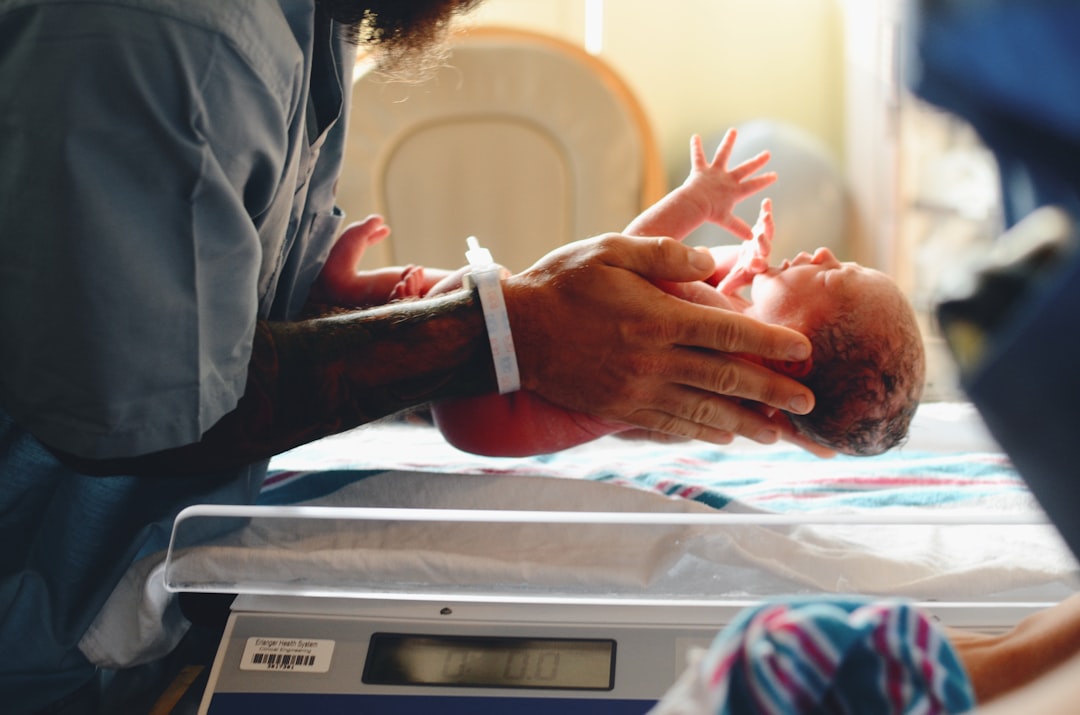
Photo by Christian Bowen on Unsplash.
Medical Disclaimer: This article is AI-assisted and reviewed by the Vitalheros editorial team. It is provided for informational purposes only and is not a substitute for professional medical advice, diagnosis, or treatment. Always consult a qualified healthcare provider. Reviewed by The Vitalheros Editorial Team.