Workplace Exoskeletons: Unlocking Potential Through Usability
Some links in this article are affiliate links. As an Amazon Associate and partner of other programs, Vitalheros may earn a commission from qualifying purchases, at no extra cost to you. This never influences our editorial coverage.
In an era where extending healthy working lives is a priority, technological advancements like workplace exoskeletons hold significant promise. These wearable robotic systems are designed to augment human strength, reduce fatigue, and protect against musculoskeletal injuries. For industries ranging from manufacturing to logistics and healthcare, the vision of a workforce empowered by such devices is compelling. However, the journey from innovative concept to widespread, effective implementation is paved with challenges, not least among them the crucial aspect of usability. Engineers are increasingly highlighting that the true impact of these sophisticated tools can only be realized when they are seamlessly integrated into the human experience of work.
The Promise of Augmented Human Performance
Workplace exoskeletons are more than just advanced machinery; they represent a paradigm shift in how we approach physical labor and occupational health. By providing mechanical assistance, these devices aim to offload strain from a worker’s body, particularly during repetitive, strenuous, or awkward tasks. The benefits, when fully realized, could be transformative:
- Injury Prevention: Reducing the physical stress on joints, muscles, and the spine, thereby lowering the risk of common workplace injuries like back pain, carpal tunnel syndrome, and shoulder strains.
- Fatigue Reduction: Enabling workers to maintain performance levels for longer periods without succumbing to exhaustion, which in turn can reduce error rates and improve safety.
- Enhanced Productivity: While not primarily designed for speed, the reduction in fatigue and injury can lead to more consistent, high-quality output over time.
- Extended Working Careers: Allowing individuals to continue in physically demanding roles for more years, fostering experienced workforces and supporting healthy longevity.
- Improved Quality of Life: By mitigating work-related physical wear and tear, exoskeletons can contribute to better health and well-being outside of work hours, enhancing overall life quality.
For Vitalheros.com, these devices align perfectly with our mission to explore innovations that support a longer, healthier, and more productive life. Yet, for these benefits to move beyond the laboratory and into everyday workplaces, the human element—how easily and effectively people can use these devices—must take center stage.
Unpacking Usability: The Silent Barrier to Adoption
Usability, in the context of workplace exoskeletons, refers to the ease with which a worker can learn to operate the device, its comfort during use, and its overall effectiveness in assisting with tasks without introducing new burdens. It encompasses everything from how simple it is to put on and take off to how naturally it moves with the body and integrates into existing workflows. If an exoskeleton is technologically advanced but cumbersome, uncomfortable, or difficult to control, its potential benefits are severely undercut.
The most advanced technology is only as good as its practical application. For exoskeletons, this means prioritizing the human experience from the drawing board to the factory floor.
Engineers and human factors specialists are increasingly emphasizing that neglecting usability can lead to several critical issues: low adoption rates, incorrect usage that negates safety benefits, and even the creation of new ergonomic risks as users compensate for device limitations. The goal is not just to build a device that can assist, but one that workers want to use and can use effectively, day in and day out.
Key Usability Challenges
While specific findings vary, common usability barriers identified in the development and testing of workplace exoskeletons often revolve around core human-machine interaction principles:
- Comfort and Fit: Exoskeletons must accommodate a wide range of body types and movements without creating pressure points, chafing, or restricting natural motion. Weight distribution, padding, and adjustability are crucial.
- Ease of Donning and Doffing: The process of putting on and taking off the device needs to be quick, simple, and require minimal assistance. Complex or time-consuming procedures can deter regular use.
- Intuitive Controls and Operation: The exoskeleton should ideally move in harmony with the user’s intentions, requiring minimal conscious effort to control. Any interference with natural gait or fine motor skills can hinder tasks rather than help.
- Adaptability to Different Tasks and Environments: Many workplaces involve varied tasks and changing environments. An exoskeleton that excels at one specific lift might be cumbersome for another task or in a confined space. Its ability to adapt or be easily adjusted for different scenarios is vital.
- Noise and Vibration: Mechanical components can generate noise or vibration, which might be distracting, uncomfortable, or interfere with communication and sensory feedback crucial for certain tasks.
- Psychological Acceptance: Workers may have concerns about how wearing an exoskeleton affects their perceived capability, social interactions, or even potential over-reliance. Design that minimizes bulk and integrates aesthetically can help.
- Maintenance and Charging: Practical considerations like battery life, ease of charging, and routine maintenance also contribute to overall usability and operational efficiency.
Designing for the Human Element: A Path Forward
Overcoming these usability barriers requires a concerted effort rooted in user-centric design principles. This means involving end-users—the workers themselves—at every stage of development, from initial concept to prototyping and field testing. Iterative design processes, where feedback from real-world scenarios informs successive improvements, are essential.
Engineers are collaborating with ergonomists, industrial designers, and behavioral scientists to create devices that are not only technologically robust but also inherently human-compatible. This interdisciplinary approach considers the physical demands of the job, the cognitive load on the user, and the social dynamics of the workplace.
The focus extends beyond mere functionality to aspects like:
- Lightweight Materials: Utilizing advanced materials to reduce the overall weight of the exoskeleton, minimizing the burden on the user.
- Modular Designs: Allowing for customization and adaptation to different tasks or individual worker needs.
- Smart Sensing and AI: Incorporating intelligent systems that learn a user’s movements and intentions, providing assistance precisely when and where it’s needed without overt control inputs.
- Integrated Safety Features: Ensuring that the device itself does not introduce new hazards, with fail-safes and emergency stops.
Beyond the Blueprint: Training and Integration
Even the most perfectly designed exoskeleton requires proper integration into the workplace ecosystem. Comprehensive training programs are vital to ensure workers understand how to safely and effectively use their devices, how to adjust them for optimal fit, and how to perform basic troubleshooting. Furthermore, organizational support, including clear policies for use, regular maintenance schedules, and dedicated support staff, plays a significant role in long-term adoption and success.
The future of workplace exoskeletons is bright, holding immense potential to reshape physically demanding jobs, reduce injuries, and enable longer, healthier careers. However, realizing this future depends critically on engineers and designers prioritizing the human experience, ensuring these powerful tools are not just capable, but truly usable.
Explore more in our Digital Health coverage.
🔬 Scientific Takeaway
Workplace exoskeletons offer significant potential for injury prevention, fatigue reduction, and extending working longevity in physically demanding roles. However, their effective adoption and impact are heavily reliant on addressing critical usability barriers. Engineers emphasize that comfort, fit, ease of operation, and seamless integration into work tasks are paramount for these devices to achieve their full promise and be accepted by the workforce.
Sources & References
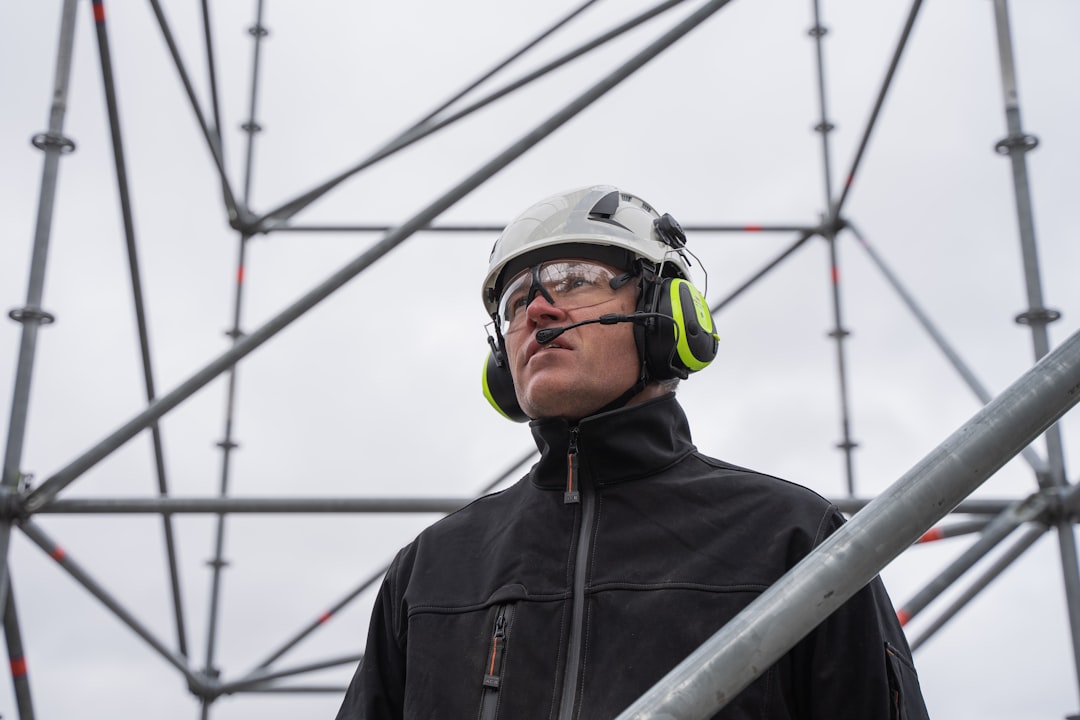
Photo by Jimmy Nilsson Masth on Unsplash.
Medical Disclaimer: This article is AI-assisted and reviewed by the Vitalheros editorial team. It is provided for informational purposes only and is not a substitute for professional medical advice, diagnosis, or treatment. Always consult a qualified healthcare provider. Reviewed by The Vitalheros Editorial Team.