The Vicious Cycle: How Senescent Cells Drive Immune Aging
Some links in this article are affiliate links. As an Amazon Associate and partner of other programs, Vitalheros may earn a commission from qualifying purchases, at no extra cost to you. This never influences our editorial coverage.
In the intricate tapestry of human biology, aging is not a simple linear decline but a complex interplay of cellular and systemic changes. Among the most compelling discoveries in geroscience is the role of cellular senescence – a state where cells stop dividing but remain metabolically active, secreting a cocktail of inflammatory molecules. Often dubbed ‘zombie cells,’ these senescent cells accumulate with age, contributing significantly to tissue dysfunction and chronic inflammation.
However, the story doesn’t end there. Emerging research highlights a critical, often overlooked partner in this process: the immune system. Far from being a mere bystander, our immune defenses are deeply entangled with senescent cells, forming a bidirectional relationship that can either protect us or accelerate the aging process. Understanding this intricate crosstalk is becoming paramount for developing effective longevity interventions.
The Silent Saboteurs: Understanding Senescent Cells
At its core, cellular senescence is a stress response. When a cell experiences damage, significant stress, or reaches its replicative limit, it can enter a state of permanent cell cycle arrest. Instead of undergoing programmed cell death (apoptosis) or continuing to divide potentially dangerously, it pauses. While this might sound beneficial, especially in preventing cancer, these senescent cells don’t just sit idly by.
A defining feature of senescent cells is their Senescence-Associated Secretory Phenotype (SASP). This involves the continuous release of a potent mix of pro-inflammatory cytokines, chemokines, growth factors, and proteases into the surrounding tissue microenvironment. The SASP can profoundly alter the behavior of neighboring healthy cells, disrupting tissue architecture, and fueling a low-grade, chronic inflammatory state often referred to as ‘inflammaging.’
A Dual Nature: Friend and Foe
It’s important to recognize that senescent cells aren’t inherently villains. In younger organisms, they play crucial roles in specific physiological processes:
- Embryonic Development: Guiding tissue formation and remodeling.
- Wound Healing: Orchestrating the repair process and facilitating tissue regeneration.
- Tumor Suppression: Acting as an early defense mechanism by preventing damaged cells from proliferating uncontrollably into cancerous growths.
In these acute contexts, senescent cells are typically transient; they appear, perform their function, and are then swiftly cleared by the immune system. The problem arises when this clearance mechanism falters with age, allowing these cells to persist and accumulate, turning their beneficial signals into chronic, damaging influences.
The Immune System’s Double-Edged Role in Aging
Our immune system is our body’s primary defense, tasked with identifying and eliminating threats, including dysfunctional cells like senescent ones. However, the immune system itself is not immune to aging.
Youthful Vigilance: Efficient Clearance
In a healthy, young individual, the immune system is a highly efficient clean-up crew. Specialized immune cells, such as natural killer (NK) cells and macrophages, are adept at recognizing the unique surface markers and signals emitted by senescent cells. They quickly move in to neutralize and remove these potentially harmful cells, ensuring tissue homeostasis and preventing widespread inflammation.
The Age-Related Decline: Immunosenescence
With advancing age, the immune system undergoes a process known as immunosenescence. This involves a gradual decline in its overall effectiveness, characterized by:
- Reduced production of new, naive immune cells.
- Decreased ability to respond effectively to new pathogens.
- Impaired surveillance and clearance of dysfunctional cells, including senescent cells.
Compounding this issue, immune cells themselves can become senescent or adopt senescence-like features. When critical immune cells enter this state, their ability to perform their duties is compromised, further weakening the body’s defenses and its capacity to manage the senescent cell burden.
A Vicious Cycle: Senescent Cells and Immune Aging
The relationship between senescent cells and the aging immune system is not one-sided; it’s a self-reinforcing feedback loop. This bidirectional crosstalk creates a vicious cycle that accelerates biological aging and drives many age-related diseases:
As senescent cells accumulate, their constant secretion of the SASP fuels chronic inflammation. This persistent inflammatory environment, in turn, contributes to the deterioration of immune function, making the immune system less capable of clearing new or existing senescent cells. This reduced clearance then leads to even more senescent cell accumulation, further intensifying the SASP and inflammation, and so the cycle continues.
This escalating interplay has profound implications for health, contributing to:
- Chronic Inflammation: A hallmark of aging, linked to numerous age-related pathologies.
- Tissue Dysfunction: Degradation of tissue structure and impaired organ function.
- Increased Disease Risk: Higher susceptibility to conditions like cardiovascular disease, neurodegenerative disorders, metabolic syndrome, and certain cancers.
- Impaired Repair: Reduced capacity for the body to heal and regenerate tissues effectively.
Beyond Senolytics: Targeting the Senescence-Immune Crosstalk
The realization of this intricate connection is transforming the landscape of longevity research. For years, the focus has been on senolytics – compounds designed to selectively destroy and remove senescent cells. While promising, this approach primarily targets the senescent cells directly.
However, the understanding of the senescence-immune feedback loop is paving the way for a new paradigm: immuno-senolytic strategies. These innovative approaches aim to leverage or restore the body’s own immune power to combat senescent cells. This could involve:
- Reactivating Endogenous Immune Surveillance: Developing therapies that boost the natural ability of immune cells to detect and eliminate senescent cells.
- Engineered Immune Cells: Utilizing advanced cellular therapies, similar to CAR T-cell therapy in cancer, where immune cells are engineered to specifically target and clear senescent populations.
By focusing on this fundamental crosstalk, researchers hope to break the vicious cycle at multiple points, not just by removing senescent cells, but also by empowering the immune system to maintain its youthful vigilance. This holistic approach holds immense potential for developing more effective and sustainable interventions to promote healthy longevity.
The intricate dance between senescent cells and our immune system underscores the complexity of aging. Unraveling this dialogue is not just a scientific endeavor; it’s a quest to unlock new pathways to extend healthspan and enhance the quality of life in our later years.
Explore more in our Longevity & Biohacking coverage.
🔬 Scientific Takeaway
Cellular senescence and immune aging are intricately linked in a bidirectional feedback loop. Senescent cells secrete inflammatory factors that impair immune function, while an aging immune system becomes less effective at clearing these harmful cells, leading to their accumulation. Emerging 'immuno-senolytic' strategies aim to harness the immune system to break this cycle and promote healthy longevity.
Sources & References
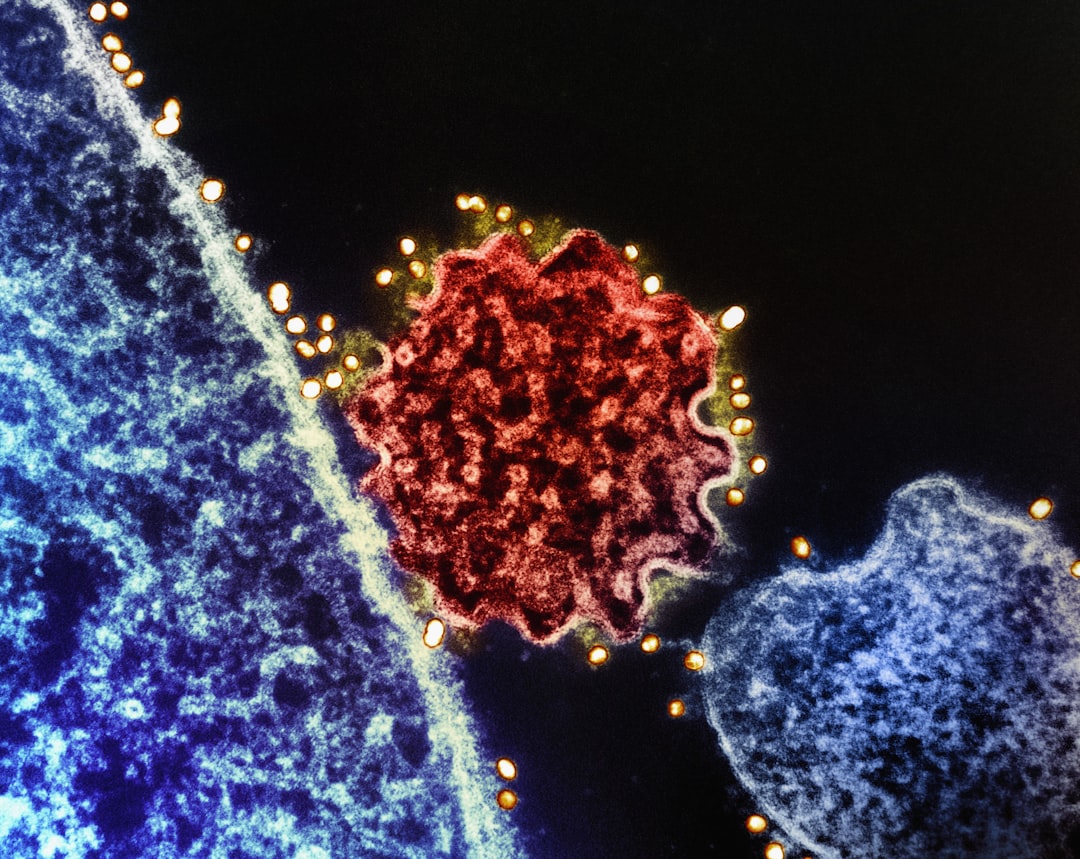
Photo by National Institute of Allergy and Infectious Diseases on Unsplash.
Medical Disclaimer: This article is AI-assisted and reviewed by the Vitalheros editorial team. It is provided for informational purposes only and is not a substitute for professional medical advice, diagnosis, or treatment. Always consult a qualified healthcare provider. Reviewed by The Vitalheros Editorial Team.