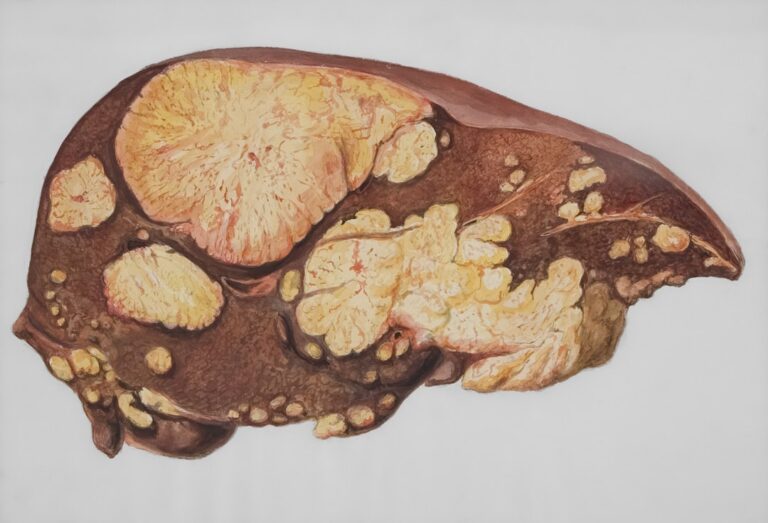
Brazilian Discovery Pinpoints Molecular Driver in Cancer Progression
Some links in this article are affiliate links. As an Amazon Associate and partner of other programs, Vitalheros may earn a commission from qualifying purchases, at no extra cost to you. This never influences our editorial coverage.
Unraveling Cancer’s Molecular Complexity
Cancer remains a formidable challenge in global health, distinguished by its intricate molecular underpinnings and its ability to adapt and spread. At its core, cancer is a disease of uncontrolled cell growth, often driven by a complex interplay of genetic mutations and dysregulated cellular pathways. Understanding these fundamental mechanisms is paramount to developing effective treatments that can precisely target cancer cells while sparing healthy tissue.
For decades, researchers worldwide have dedicated their efforts to dissecting the molecular machinery that allows cancer to initiate, grow, and metastasize. Each new discovery, no matter how small, adds a critical piece to this colossal puzzle, bringing us closer to more effective diagnostics and therapies. It is within this context that a recent finding from Brazilian researchers stands out, offering a promising new perspective on cancer progression.
A Pivotal Discovery from Brazilian Laboratories
In a significant stride for oncology research, a team of Brazilian scientists has identified a specific cellular molecule that appears to play a crucial role in driving cancer progression. While the precise details of the molecule and the specific cancer types it influences are often subject to ongoing research and peer review, the mere identification of such a driver marks a critical juncture. Discoveries of this nature illuminate previously unknown pathways or amplify the importance of known ones, providing potential new targets for therapeutic intervention.
This kind of foundational research is the bedrock upon which future medical advancements are built. By pinpointing a molecule that actively promotes the disease’s advancement, scientists gain a clearer understanding of how cancer cells gain their aggressive characteristics, resist treatment, and spread throughout the body. Such insights are invaluable for moving beyond broad-spectrum treatments to more personalized and effective strategies.
The Mechanism of Molecular Drivers
In the complex landscape of cancer biology, certain molecules act as crucial orchestrators, dictating the behavior of cancerous cells. These ‘driver’ molecules can influence various hallmarks of cancer, including sustained proliferative signaling, evasion of growth suppressors, resistance to cell death, induction of angiogenesis (new blood vessel formation), and activation of invasion and metastasis. When a molecule is identified as a driver of progression, it suggests it is actively involved in pushing the cancer from an early, more localized stage to a more advanced, aggressive, and often metastatic state.
The identification of such a molecule typically involves rigorous laboratory techniques, including genetic screening, proteomic analysis, and cellular assays. Researchers often compare cancerous cells with healthy cells, or less aggressive tumors with more aggressive ones, to identify molecules that are uniquely expressed or activated in the context of disease progression. Once identified, the molecule’s role is validated through various experimental models, including cell cultures and animal models, to confirm its functional significance in promoting cancer growth and spread.
Implications for Future Cancer Therapies
The discovery of a molecule that drives cancer progression carries profound implications for the development of new treatments. When a specific molecular target is identified, it opens the door for several therapeutic strategies:
- Targeted Drug Development: Pharmaceutical companies can design drugs specifically to inhibit the activity of this molecule, thereby disrupting the cancer’s ability to progress. These ‘precision medicines’ aim to be more effective and have fewer side effects than traditional chemotherapy, which often harms healthy cells alongside cancerous ones.
- Biomarker Development: The molecule itself, or its expression levels, could serve as a biomarker. This means it could be used to diagnose cancer earlier, predict its aggressiveness, or monitor a patient’s response to treatment. For instance, high levels of the molecule might indicate a more aggressive form of cancer or suggest that a patient would respond well to a drug targeting that molecule.
- Personalized Medicine: By understanding which molecules are driving a specific patient’s cancer, clinicians can tailor treatments to that individual’s unique molecular profile, moving further towards truly personalized oncology.
However, it is crucial to remember that identifying a molecular driver is an initial step. The journey from discovery to a widely available clinical treatment is long and arduous, typically spanning many years and involving extensive preclinical testing, human clinical trials across multiple phases, and regulatory approvals.
The Road Ahead: From Bench to Bedside
While the identification of a new molecular driver is a cause for cautious optimism, it is important to temper expectations with scientific reality. This discovery represents a foundational piece of knowledge, not an immediate cure. The next phases of research will involve:
- Further elucidating the precise biochemical pathways through which this molecule exerts its effects.
- Investigating its role across different types of cancer to determine if its influence is broad or specific.
- Developing and testing compounds that can selectively modulate its activity.
- Assessing the safety and efficacy of these potential therapies in preclinical models and, eventually, in human clinical trials.
“Every molecular discovery in cancer research is a step forward in our understanding of this complex disease. It provides new avenues for exploration, new targets for therapies, and ultimately, new hope for patients.”
The work of these Brazilian researchers underscores the global nature of scientific progress and the collaborative effort required to conquer diseases like cancer. Their contribution adds valuable insight to the ever-expanding knowledge base, potentially paving the way for future innovations in cancer treatment and management.
Explore more in our Digital Health coverage.
🔬 Scientific Takeaway
Brazilian researchers have identified a specific cellular molecule that plays a role in driving cancer progression. This discovery is significant as it provides a new potential target for developing precision cancer therapies and diagnostic biomarkers. Further research is needed to understand its full mechanism and translate this finding into clinical applications.
Sources & References
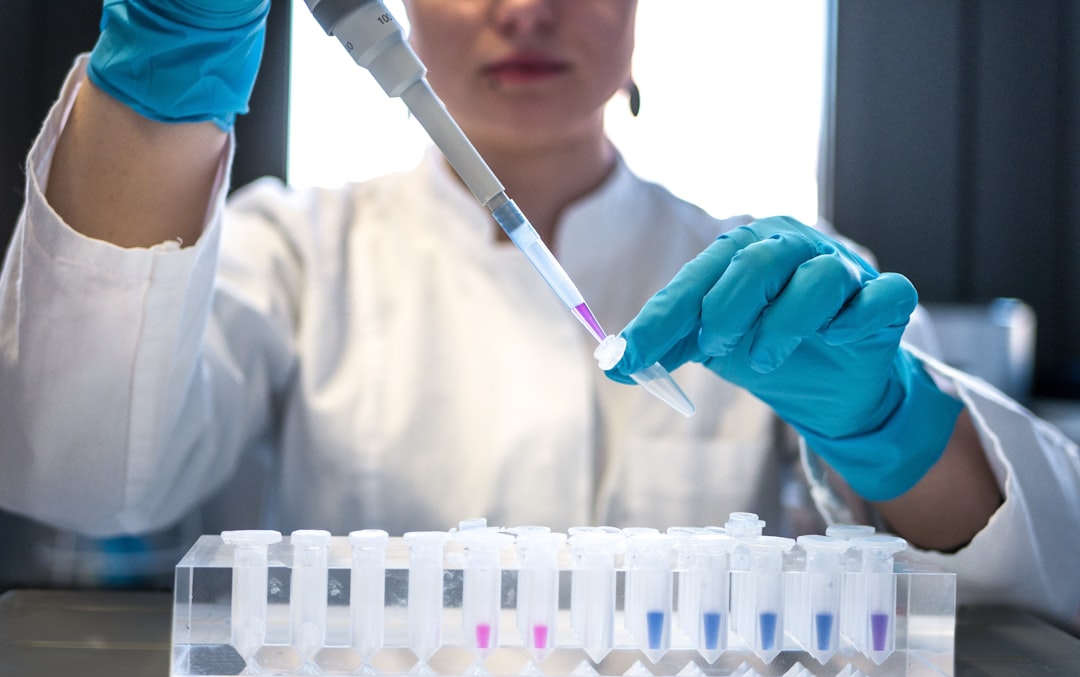
Photo by Julia Koblitz on Unsplash.
Medical Disclaimer: This article is AI-assisted and reviewed by the Vitalheros editorial team. It is provided for informational purposes only and is not a substitute for professional medical advice, diagnosis, or treatment. Always consult a qualified healthcare provider. Reviewed by The Vitalheros Editorial Team.