Cellular Clocks: Precision Aging Predicts Future Disease Risk
Some links in this article are affiliate links. As an Amazon Associate and partner of other programs, Vitalheros may earn a commission from qualifying purchases, at no extra cost to you. This never influences our editorial coverage.
The Shifting Landscape of Aging: Beyond Chronological Years
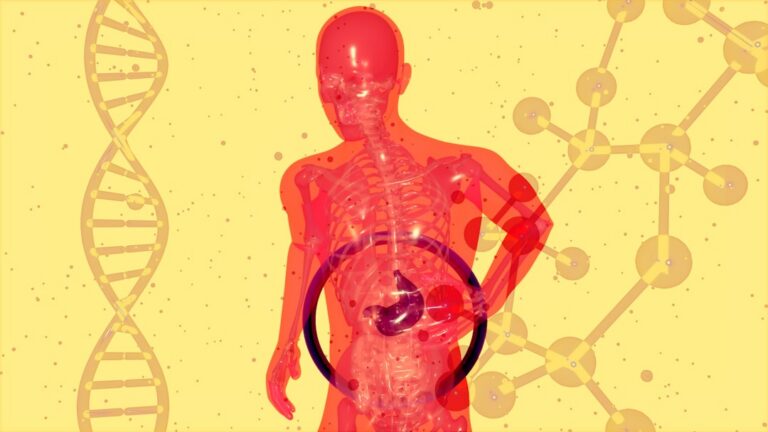
For generations, aging was largely viewed as a uniform process, a relentless march that affected every part of the body at the same pace. We now understand that reality is far more nuanced. The concept of biological age, distinct from chronological age, has gained significant traction, revealing that different organs and systems within an individual can age at varying rates. Some may show signs of accelerated wear, while others maintain a surprising resilience. This evolving understanding has profound implications for how we perceive health, disease, and the very nature of longevity.
Pioneering work by Dr. Tony Wyss-Coray and his team at Stanford University has been instrumental in advancing this field. Their earlier research illuminated the idea of organ-specific aging, demonstrating that the aging trajectory of individual organs could be gleaned from circulating proteins in the blood, offering a window into an individual’s health status and disease risk. Now, their latest findings, published in a recent study in Nature Medicine, push this paradigm even further, taking a conceptual leap from organ-level aging to the intricate world of individual cell types.
This new research posits that the biological age of specific cell populations—from muscle cells to brain-supporting astrocytes—can be precisely measured and, crucially, used to predict the likelihood of developing a range of debilitating diseases, including Alzheimer’s disease and amyotrophic lateral sclerosis (ALS), years before clinical symptoms emerge. This granular view of aging opens unprecedented avenues for early diagnosis, risk stratification, and the development of highly targeted interventions.
Decoding Cellular Aging Signatures
To achieve this remarkable feat, Wyss-Coray and his colleagues developed sophisticated machine learning models designed to estimate the biological age of over 40 distinct cell types. The methodology is a testament to modern biomedical innovation, blending genomics, proteomics, and advanced computational analysis.
The Journey from Genes to Plasma Proteins
The researchers began by leveraging single-cell RNA sequencing data from the Human Protein Atlas. This allowed them to identify genes that are uniquely
Explore more in our Longevity & Biohacking coverage.
🔬 Scientific Takeaway
A recent study by Wyss-Coray and colleagues in Nature Medicine used machine learning to estimate the biological age of over 40 cell types from blood plasma proteins. This cellular aging data, gathered from approximately 60,000 individuals, demonstrated the ability to predict the onset of various diseases, including Alzheimer's and ALS, years in advance. The findings highlight that aging is highly non-uniform at the cellular level and opens new avenues for precision diagnostics and therapeutics aimed at specific cell populations.
Sources & References
Photo by Logan Gutierrez on Unsplash.
Medical Disclaimer: This article is AI-assisted and reviewed by the Vitalheros editorial team. It is provided for informational purposes only and is not a substitute for professional medical advice, diagnosis, or treatment. Always consult a qualified healthcare provider. Reviewed by The Vitalheros Editorial Team.