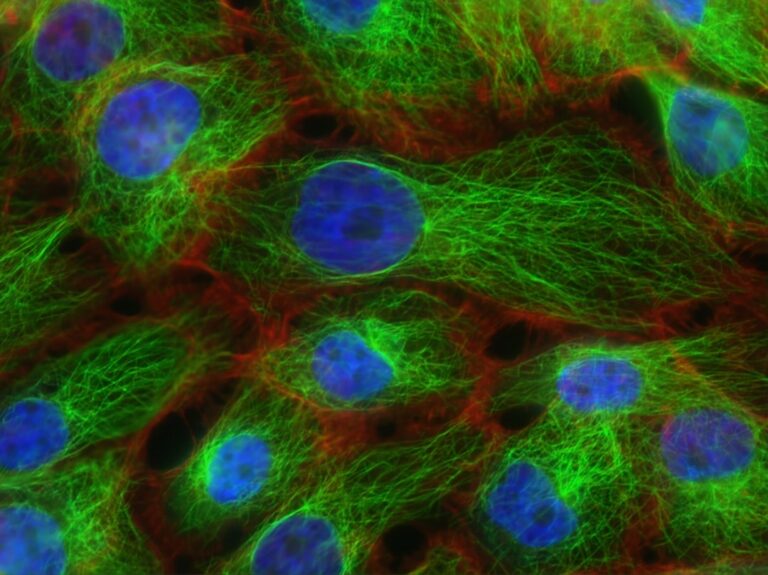
Interventions That May Turn Back the Epigenetic Clock

Some links in this article are affiliate links. As an Amazon Associate and partner of other programs, Vitalheros may earn a commission from qualifying purchases, at no extra cost to you. This never influences our editorial coverage.
Unlocking the Secrets of Epigenetic Aging: What the Latest Research Reveals
In the quest for extended healthspan and longevity, scientists are increasingly focused on the intricate mechanisms that govern how our bodies age. Among the most compelling areas of research is epigenetics – the study of how our genes are expressed without changes to the underlying DNA sequence itself. Think of it as the software that tells your genetic hardware what to do. As we age, these epigenetic patterns shift, influencing everything from cell function to disease susceptibility. Understanding and potentially modulating these changes is a cornerstone of modern geroscience.
A recent systematic review has shed new light on which interventions, tested in human trials, are associated with a reduction in epigenetic age. This comprehensive analysis provides a valuable snapshot of the current landscape, highlighting both promising avenues and areas requiring further investigation.
What are Epigenetic Clocks and Why Do They Matter?
Epigenetic clocks are sophisticated tools that estimate a person’s biological age based on specific patterns of DNA methylation – chemical modifications to DNA that influence gene activity. These patterns change predictably throughout life, making them powerful biomarkers for aging.
From First-Generation to Next-Generation Clocks
Early epigenetic clocks, while groundbreaking, primarily correlated with chronological age. However, the field has rapidly advanced with the development of ‘next-generation’ clocks. These newer models are designed to better account for the divergence between chronological age (the number of years you’ve lived) and biological age (how old your cells and tissues truly are). Crucially, these next-generation clocks show a stronger association with all-cause mortality risk and various age-related diseases than their predecessors. This makes them particularly valuable for evaluating the potential impact of longevity interventions.
While epigenetic clocks remain investigational biomarkers, their ability to reflect aspects of biological aging makes any intervention that positively influences them a subject of intense scientific interest.
Interventions That May Turn Back the Epigenetic Clock
The systematic review identified 41 human studies investigating the effects of various interventions on next-generation epigenetic clocks. The findings suggest a diverse range of approaches that may be associated with a decrease in epigenetic age:
Lifestyle and Dietary Approaches
- Exercise: Regular physical activity continues to emerge as a powerful modulator of health and longevity, with this review reinforcing its potential role in epigenetic health.
- Plant-Rich Diet: Dietary patterns emphasizing fruits, vegetables, and whole foods are consistently linked to better health outcomes, and now appear to positively influence epigenetic markers.
- Caloric Restriction: Limiting calorie intake without malnutrition, a well-established longevity intervention in animal models, also appears to resonate positively with human epigenetic clocks.
- Omega-3 Fatty Acids: These essential fats, known for their anti-inflammatory properties and cardiovascular benefits, were also associated with reduced epigenetic age.
- Multivitamin-Multimineral Supplement: Basic nutritional support in the form of a broad-spectrum supplement showed an effect, suggesting the importance of micronutrient sufficiency.
Pharmaceutical and Clinical Innovations
- GLP-1 Receptor Agonist (Semaglutide): Primarily used for diabetes and weight management, semaglutide’s association with epigenetic age reduction opens new avenues for understanding its systemic effects.
- Cholesterol-Lowering Drug (Pitavastatin): Statins are widely prescribed for cardiovascular health, and this finding suggests potential pleiotropic effects extending to epigenetic regulation.
- Ketamine: Known for its anesthetic and antidepressant properties, ketamine’s appearance on this list highlights complex biological interactions that warrant further research.
- Umbilical Cord Plasma: This intervention, involving the transfusion of plasma from younger individuals, has garnered attention in longevity research, and its observed effect on epigenetic clocks adds to the discussion.
Nuances and What Didn’t Show an Effect (or Worsened)
It’s equally important to note what interventions did *not* show a detectable effect on next-generation epigenetic clocks in this review, or even appeared to accelerate epigenetic aging:
- No Detectable Effect: Several interventions widely discussed in longevity circles, such as nicotinamide riboside (a NAD+ precursor), rapamycin (an mTOR inhibitor), and senolytics (drugs that clear senescent cells), did not show a detectable effect on the epigenetic clocks examined in these studies. This doesn’t necessarily mean they are ineffective for other aspects of aging, but rather that their impact on these specific epigenetic biomarkers was not observed.
- Accelerated Epigenetic Aging: Interestingly, plasmapheresis, a procedure that removes and replaces blood plasma, was associated with an acceleration of epigenetic aging. This finding underscores the complex and sometimes counterintuitive nature of interventions on biological markers.
The Broader Picture: Epigenetics and Longevity
While the ability to modify epigenetic clocks is a fascinating development, it’s crucial to view these findings within the broader context of aging research. Aging is a multifaceted process involving numerous mechanisms beyond epigenetics, including the accumulation of metabolic waste, mitochondrial dysfunction, and mutational damage to DNA.
"It is far from clear that there is a usefully comprehensive mapping of aging to epigenetic aging, or that even the better epigenetic clocks are actually measuring biological age, or measuring aspects of it in a way that will accurately reflect any given specific change to biochemistry produced by potential treatments for aging."
This cautionary note from researchers reminds us that while epigenetic clocks are powerful tools, they represent only one piece of the complex puzzle of biological aging. Interventions that reduce epigenetic age may contribute to a younger biological state, but they are unlikely to be a singular ‘cure’ for aging. Rather, they likely contribute to a broader suite of beneficial physiological changes.
Looking Ahead
The systematic review offers compelling insights into interventions that may positively influence epigenetic age in humans. These findings reinforce the importance of established healthy lifestyle choices and highlight the potential of certain pharmaceutical and clinical approaches. As research in geroscience continues to evolve, understanding the precise mechanisms by which these interventions impact epigenetic patterns will be key. For now, maintaining a healthy lifestyle remains a cornerstone of supporting a longer, healthier life, with these new epigenetic insights providing further scientific backing.
Explore more in our Longevity & Biohacking coverage.
🔬 Scientific Takeaway
A systematic review of 41 human studies identified diverse interventions, including exercise, plant-rich diets, caloric restriction, omega-3s, and certain pharmaceuticals like semaglutide and pitavastatin, that are associated with a decrease in next-generation epigenetic age. Conversely, some popular longevity interventions like rapamycin and senolytics showed no detectable effect on these clocks, while plasmapheresis appeared to accelerate epigenetic aging. These findings highlight the complex nature of biological aging and the investigational status of epigenetic clocks as biomarkers.
Sources & References
Photo by alpay tonga on Unsplash.
Medical Disclaimer: This article is AI-assisted and reviewed by the Vitalheros editorial team. It is provided for informational purposes only and is not a substitute for professional medical advice, diagnosis, or treatment. Always consult a qualified healthcare provider. Reviewed by The Vitalheros Editorial Team.