The Brain’s Sweet Secret: Why Fructose Leaves You Wanting More
Some links in this article are affiliate links. As an Amazon Associate and partner of other programs, Vitalheros may earn a commission from qualifying purchases, at no extra cost to you. This never influences our editorial coverage.
For years, nutrition labels have simplified sugars into a single caloric value. Yet, emerging science continues to peel back the layers, revealing that not all sugars are created equal, especially when it comes to how our brains perceive hunger and satiety. A recent study has illuminated a fundamental difference in how the brain responds to glucose versus fructose, offering compelling insights into why certain sweet treats might leave us feeling less satisfied.
The Brain’s Intricate Hunger Control
Our bodies possess an intricate system for regulating appetite, a complex interplay of hormones, gut signals, and, critically, brain activity. When we eat, a cascade of signals informs the brain whether we are full or still need sustenance. Specific neurons within the brain are tasked with promoting or suppressing hunger, acting as a central control panel for our food intake. Understanding how different nutrients interact with this system is key to unraveling the mysteries of appetite regulation.
Glucose vs. Fructose: A Tale of Two Sugars
Both glucose and fructose are simple sugars, or monosaccharides, and are fundamental components of many foods we consume. Glucose is the primary energy source for our cells, often found in starchy foods and fruits. Fructose, commonly known as ‘fruit sugar,’ is abundant in fruits, honey, and, significantly, in many processed foods as part of sucrose (table sugar) and high-fructose corn syrup.
While both contribute calories, their metabolic pathways and, as this new research suggests, their impact on brain satiety signals, differ remarkably.
New Insights into Sugar’s Brain Impact
A recent study, conducted in mice, has shed light on a fascinating distinction between these two common dietary sugars. While both contribute calories, their impact on hunger-regulating brain cells appears remarkably different.
Muted Satiety Signals from Fructose
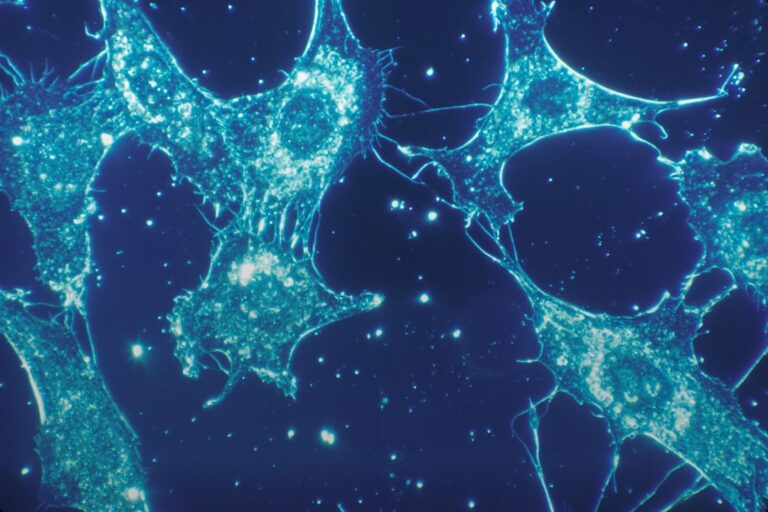
Researchers observed that when mice consumed glucose, there was a pronounced reduction in the activity of neurons known to stimulate hunger. This suggests glucose effectively signals satiety to the brain, helping to quell the urge to eat. The brain, in essence, receives a clear message: ‘You’ve had enough.’
In stark contrast, fructose exhibited a significantly weaker influence on these same hunger-promoting brain cells. The satiety signal, in essence, was muted. This weaker response could mean that even after consuming fructose, the brain doesn’t receive the strong ‘fullness’ cue that glucose provides, potentially leaving a lingering sense of hunger or a desire for more food.
High-Fructose Corn Syrup and Preference
Intriguingly, the study also examined high-fructose corn syrup (HFCS), a prevalent sweetener in many processed foods. This compound triggered an even stronger response in the animals, who subsequently showed a preference for it. This finding hints at the potential for HFCS to not only fail at signaling satiety but also to actively drive consumption, reinforcing the cycle of wanting more.
Why This Matters for Human Health
This research underscores a critical point: the type of sugar we consume may be just as important as the total caloric load in influencing our appetite and food choices. If fructose fails to adequately signal satiety to the brain, it could contribute to a cycle of overeating, even when caloric needs are met.
In a world where processed foods often contain significant amounts of added sugars, particularly fructose and high-fructose corn syrup, this mechanism could play a role in the global challenges of weight management and metabolic health. When our brains don’t register fullness effectively, it becomes easier to consume excess calories without conscious awareness, potentially leading to increased caloric intake over time.
Interpreting Animal Studies: A Crucial Perspective
It’s vital to remember that these findings originate from studies in mice. While animal models provide invaluable insights into biological mechanisms and often serve as precursors to human research, direct translation to human physiology is not always straightforward. The intricate neural pathways and metabolic responses in humans can differ. Nevertheless, these results offer a compelling hypothesis that warrants further investigation in human subjects, especially given the widespread consumption of fructose in modern diets.
Practical Considerations for a Healthier Diet
Given these insights, and the broader understanding of sugar’s role in health, a prudent approach to diet becomes even more important. Prioritizing whole, unprocessed foods naturally low in added sugars is a cornerstone of a healthy eating pattern.
- Focus on Whole Foods: Opt for whole fruits, which contain fiber that can mitigate the impact of fructose and contribute to satiety through other mechanisms.
- Read Labels Carefully: When selecting packaged foods, scrutinizing nutrition labels for various forms of added sugars, including high-fructose corn syrup, cane sugar, and fruit juice concentrates, can be an empowering step.
- Moderate Sweetness: Gradually reducing your overall intake of added sugars can help recalibrate your palate and reduce cravings for overly sweet foods.
Ultimately, this research serves as another reminder that our bodies are incredibly complex. Understanding the nuanced ways different nutrients interact with our internal systems empowers us to make more informed choices for our long-term health and well-being.
Explore more in our Nutrition & Performance coverage.
🔬 Scientific Takeaway
New research in mice suggests that fructose may not activate hunger-suppressing brain signals as effectively as glucose. This difference in brain response to sugar types, rather than just caloric content, could influence appetite and food preferences. The findings highlight the potential for fructose to contribute to overconsumption by failing to induce robust satiety signals in the brain, an area warranting further human research.
Sources & References
Medical Disclaimer: This article is AI-assisted and reviewed by the Vitalheros editorial team. It is provided for informational purposes only and is not a substitute for professional medical advice, diagnosis, or treatment. Always consult a qualified healthcare provider. Reviewed by The Vitalheros Editorial Team.