Osteopenia: Unmasking the Silent Threat to Your Bone Strength
Some links in this article are affiliate links. As an Amazon Associate and partner of other programs, Vitalheros may earn a commission from qualifying purchases, at no extra cost to you. This never influences our editorial coverage.
Our bones, often perceived as static structures, are in fact living, dynamic tissues constantly undergoing a process of breakdown and renewal. This intricate balance is crucial for maintaining their strength and resilience. However, for millions globally, this balance subtly shifts, leading to a condition known as osteopenia – a quiet decline in skeletal strength that often goes unnoticed until a significant event.
Osteopenia represents a stage where bone mineral density is lower than normal, but not yet severe enough to be classified as osteoporosis. It’s a critical juncture, a warning signal that your bones are becoming more fragile and susceptible to fractures. Understanding this often-overlooked condition is the first step toward safeguarding your long-term bone health.
What Exactly Is Osteopenia?
To truly grasp osteopenia, it helps to understand the journey of our bones. We reach peak bone mass in our late 20s or early 30s. After this point, the rate of bone formation gradually begins to slow, while bone resorption (the breakdown of old bone tissue) continues. This natural process leads to a gradual loss of bone density over time.
Osteopenia occurs when this loss of density exceeds typical age-related changes, but hasn’t reached the more advanced stage of osteoporosis. Think of it as a spectrum: healthy bones, then osteopenia, then osteoporosis. While osteopenia itself may not present immediate symptoms, it significantly increases the risk of progressing to osteoporosis, a condition characterized by severely porous and fragile bones that can lead to debilitating fractures from minor falls or even everyday activities.
The Silent Nature of Bone Loss
One of the most challenging aspects of osteopenia is its insidious nature. Unlike many other health conditions that announce their presence with clear symptoms, bone loss is largely asymptomatic. There’s no pain, no visible changes, and no immediate discomfort to signal that your bones are gradually weakening from within. This ‘silent’ progression means that many individuals only become aware of their osteopenia after a fracture occurs, or following a bone density scan (DEXA scan) performed for other reasons or as part of routine screening.
This lack of early warning makes proactive measures and awareness all the more vital. By the time a fracture happens, significant bone loss has already occurred, making intervention more challenging.
Factors Contributing to Bone Density Decline
A multitude of elements can influence bone density, either accelerating its loss or hindering its formation. While some factors are beyond our control, many are intricately linked to lifestyle choices and can be modified.
The Inevitable March of Time
Aging is the primary non-modifiable risk factor for osteopenia and osteoporosis. As we grow older, the natural balance between bone formation and resorption shifts, leading to a net loss of bone tissue. This process accelerates particularly after the age of 50.
Hormonal Shifts, Especially for Women
For women, menopause marks a significant turning point in bone health. The dramatic drop in estrogen levels during this period plays a critical role in accelerating bone loss. Estrogen is vital for maintaining bone density, and its decline can lead to a rapid reduction in skeletal strength. This is why post-menopausal women are at a considerably higher risk of developing osteopenia and osteoporosis.
Lifestyle Choices and Their Impact
- Inactivity: Our bones respond to stress. Regular physical activity, particularly weight-bearing exercises, signals to the body to build and maintain stronger bones. A sedentary lifestyle deprives bones of this crucial stimulus, leading to faster density loss.
- Nutritional Deficiencies: A diet lacking in essential bone-building nutrients is a major contributor. Calcium is the primary mineral component of bone, and Vitamin D is crucial for its absorption. Insufficient intake of these vital nutrients over time can severely compromise bone health.
- Other Habits: Smoking has been linked to lower bone density, and excessive alcohol consumption can also interfere with calcium absorption and bone formation.
Taking Proactive Steps: Fortifying Your Skeleton
The good news is that osteopenia is not an irreversible sentence. While some bone loss is natural, proactive strategies can significantly slow its progression, and in some cases, even help improve bone mineral density. The focus lies on a combination of exercise, nutrition, and informed healthcare decisions.
Exercise as a Bone Builder
Engaging in specific types of physical activity is paramount for bone health. Bones, much like muscles, respond to stress by becoming stronger. The key is to incorporate exercises that place mechanical stress on the bones.
- Weight-Bearing Exercises: Activities where your body works against gravity. This includes walking, jogging, hiking, dancing, and stair climbing. These exercises stimulate bone cells to lay down new bone tissue.
- Resistance Training: Lifting weights, using resistance bands, or performing bodyweight exercises (like push-ups, squats, lunges) are excellent for strengthening muscles and, by extension, the bones to which they attach. Stronger muscles also improve balance, reducing the risk of falls that can lead to fractures.
It’s important to start slowly and progressively increase intensity, especially if you’re new to exercise, and to consult with a healthcare professional or physical therapist to tailor a safe and effective program.
Nutritional Foundations for Strong Bones
A balanced diet rich in bone-supporting nutrients is non-negotiable.
- Calcium: This mineral is the bedrock of bone structure. Dairy products, leafy green vegetables (like kale and broccoli), fortified plant milks, and certain fish (like salmon and sardines) are excellent sources.
- Vitamin D: Essential for calcium absorption, Vitamin D can be obtained through sunlight exposure, fortified foods, and fatty fish. Many individuals, especially in regions with limited sunlight or those with specific dietary restrictions, may benefit from supplementation, but this should always be discussed with a doctor.
Regular Monitoring and Medical Guidance
For individuals at higher risk – particularly post-menopausal women, older adults, or anyone with a family history of osteoporosis – regular discussions with a healthcare provider are crucial. Bone density scans (DEXA scans) are the gold standard for diagnosing osteopenia and osteoporosis, providing a precise measurement of bone mineral density. Early detection allows for timely interventions, whether through lifestyle adjustments, nutritional guidance, or, if necessary, medical treatments.
“Understanding your personal risk factors and taking proactive steps can make a profound difference in maintaining skeletal integrity as you age. It’s an investment in your future mobility and independence.”
Osteopenia is a widespread condition, yet its silent nature means it often remains undiagnosed. By understanding its causes and embracing a proactive approach through appropriate exercise, a nutrient-rich diet, and regular medical consultation, we can work towards fortifying our bones and preserving our vitality well into our later years. Your bones are the scaffolding of your life – give them the attention and care they deserve.
Explore more in our Nutrition & Performance coverage.
🔬 Scientific Takeaway
Osteopenia, characterized by lower-than-normal bone mineral density, is a silent precursor to osteoporosis, often remaining undetected until a fracture occurs. While aging and menopause are significant risk factors, lifestyle interventions such as regular weight-bearing and resistance exercises, along with adequate intake of calcium and Vitamin D, can help slow bone loss, improve bone density, and mitigate the risk of progression to osteoporosis. Proactive screening and medical guidance are crucial for early detection and management.
Sources & References
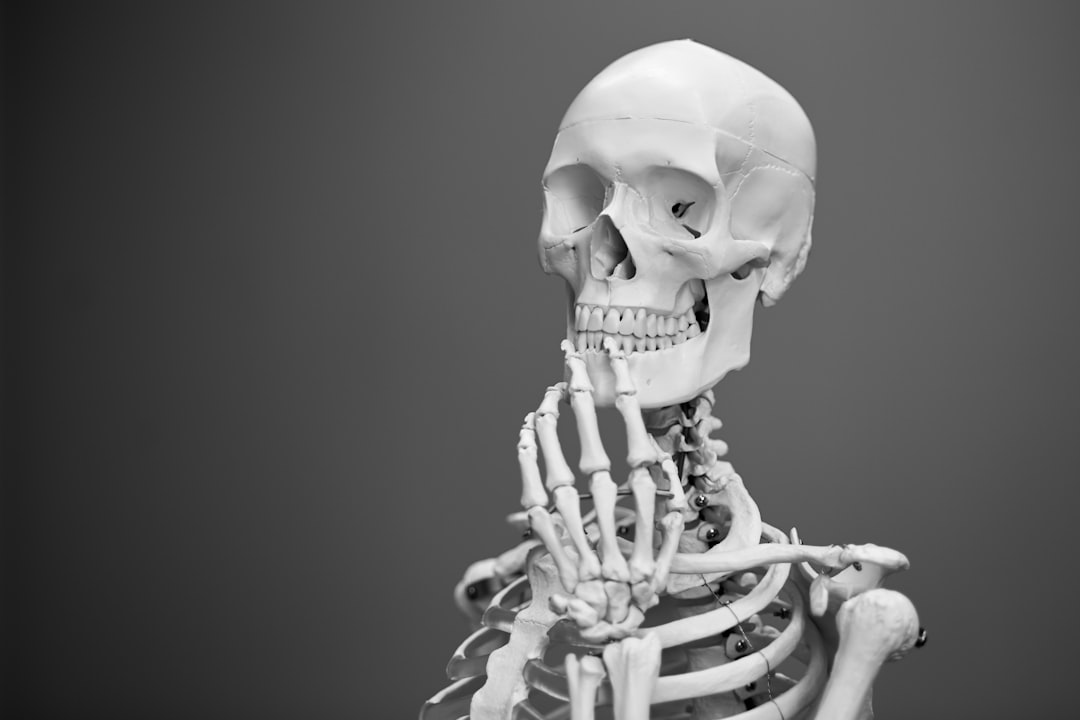
Photo by Mathew Schwartz on Unsplash.
Medical Disclaimer: This article is AI-assisted and reviewed by the Vitalheros editorial team. It is provided for informational purposes only and is not a substitute for professional medical advice, diagnosis, or treatment. Always consult a qualified healthcare provider. Reviewed by The Vitalheros Editorial Team.