Butter vs. Margarine: A Deep Dive into Fats, Flavor, and Health
Some links in this article are affiliate links. As an Amazon Associate and partner of other programs, Vitalheros may earn a commission from qualifying purchases, at no extra cost to you. This never influences our editorial coverage.
The Enduring Debate: Butter or Margarine?
For decades, the choice between butter and margarine has sparked countless kitchen debates and dietary discussions. While they may appear similar on the shelf, their fundamental differences extend far beyond taste and price. At the heart of this distinction lies their chemical composition – specifically, the types of fats they contain and how those fats are structured. Understanding this underlying chemistry is crucial, not only for achieving optimal results in your culinary endeavors but also for making informed choices that align with your health goals.
This article will explore the unique properties of butter and margarine, examining their origins, the science behind their behavior, and what their evolving formulations mean for your diet and your cooking.
The Chemistry of Fats: Saturated vs. Unsaturated
To truly appreciate the nuances between butter and margarine, a brief primer on dietary fats is essential. All fats are made up of molecules called triglycerides, which consist of a glycerol backbone attached to three fatty acid chains. The crucial difference lies in the structure of these fatty acid chains:
- Saturated Fats: These fatty acid chains are
Explore more in our Nutrition & Performance coverage.
🔬 Scientific Takeaway
Butter and margarine, while visually similar, possess distinct chemical compositions that dictate their culinary performance and health profiles. Butter's saturated dairy fats provide unique flavor and texture, while modern margarines, made from plant oils, offer varying fat compositions, often aiming for unsaturated fats and minimal trans fats. Understanding these differences allows for informed choices based on both cooking application and dietary goals.
Sources & References
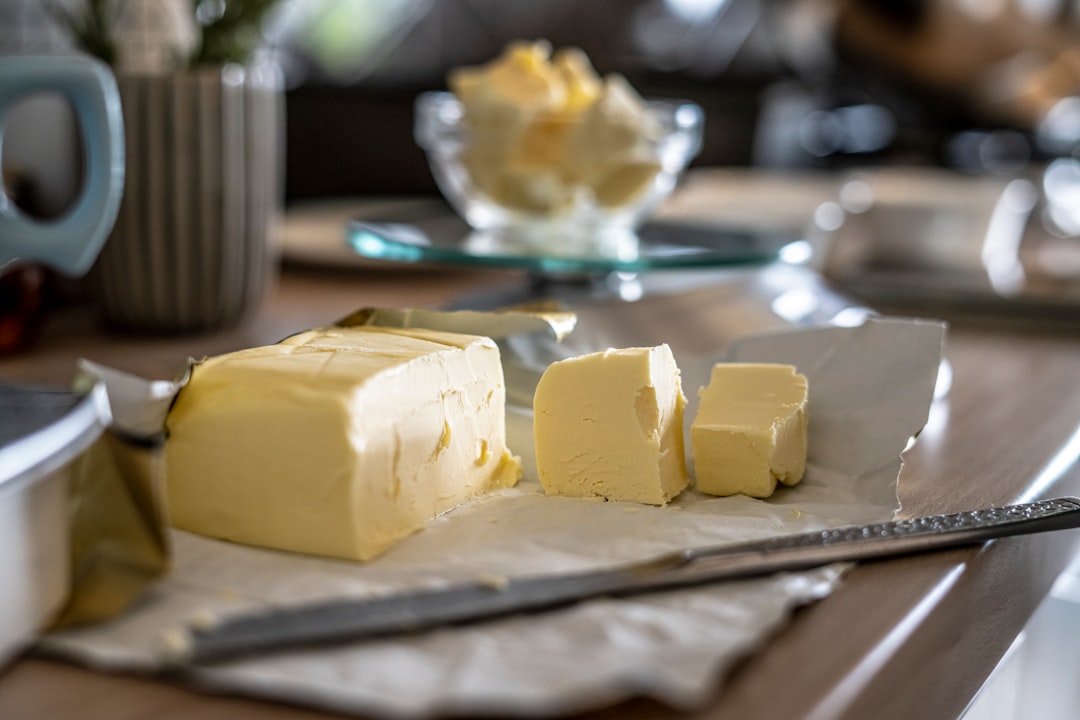
Photo by Sorin Gheorghita on Unsplash.
Medical Disclaimer: This article is AI-assisted and reviewed by the Vitalheros editorial team. It is provided for informational purposes only and is not a substitute for professional medical advice, diagnosis, or treatment. Always consult a qualified healthcare provider. Reviewed by The Vitalheros Editorial Team.