Beyond the Spread: Unpacking Butter and Margarine’s Differences
Some links in this article are affiliate links. As an Amazon Associate and partner of other programs, Vitalheros may earn a commission from qualifying purchases, at no extra cost to you. This never influences our editorial coverage.
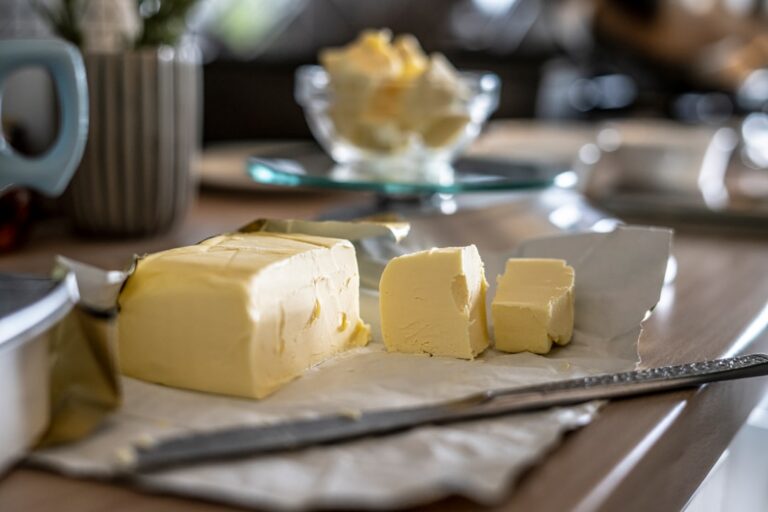
For generations, the choice between butter and margarine has been a subtle but persistent culinary debate. At first glance, both appear as creamy, yellow spreads, seemingly interchangeable for toast, baking, or sautéing. Yet, beneath their similar appearances lies a fundamental difference in their chemical composition and origin that profoundly impacts their behavior in the kitchen, their nutritional profiles, and ultimately, their place in a health-conscious lifestyle.
Understanding this distinction isn’t merely about taste preference; it’s about appreciating the intricate science that dictates how these fats react to heat, contribute to texture, and affect our bodies. As we navigate an increasingly complex food landscape, a deeper dive into the world of butter and margarine empowers us to make more informed choices, whether for a flaky pastry or a mindful meal.
The Natural Allure of Butter
Butter, a staple in kitchens for centuries, is a remarkably simple yet complex food product derived from churning fresh or fermented cream. Its primary components are milk fat, water, and milk solids. The characteristic rich flavor and creamy texture of butter come from its unique emulsion: tiny droplets of water dispersed within a continuous phase of fat.
The Chemistry of Butter’s Charm
- Fat Composition: Butter is predominantly composed of saturated fatty acids, along with some monounsaturated and polyunsaturated fats, and cholesterol. These naturally occurring fats contribute to its firm texture when cold and its smooth melt at room temperature.
- Flavor Development: The complex array of volatile compounds within milk fat, along with the presence of milk solids (proteins and sugars), are responsible for butter’s distinct, nuanced flavor. When butter is heated, these milk solids undergo the Maillard reaction, leading to the desirable browning and nutty aromas that define clarified butter or browned butter.
- Culinary Functionality: In baking, butter’s precise melting point and ability to create layers of fat and moisture are crucial for developing flaky textures in pastries and tender crumbs in cakes. Its emulsifying properties also help bind ingredients.
Margarine: An Engineered Alternative
Margarine, in contrast to butter, is a manufactured product, historically developed in the mid-19th century as a more affordable and shelf-stable alternative. While originally made from animal fats, modern margarine formulations are almost exclusively plant-based, utilizing a variety of vegetable oils such as soybean, corn, sunflower, or canola oil.
From Oils to Spreads: Margarine’s Evolution
- Hydrogenation Process: The key to transforming liquid vegetable oils into a semi-solid spread historically involved a process called hydrogenation. This process adds hydrogen atoms to unsaturated fatty acids, increasing their saturation and solidity. Early hydrogenation methods unfortunately led to the formation of trans fats, which were later identified as detrimental to cardiovascular health.
- Modern Formulations: Today, the vast majority of margarines have significantly reduced or eliminated industrially produced trans fats through advanced processing techniques like interesterification or by blending different oils to achieve the desired consistency. Modern margarines are essentially emulsions of vegetable oil and water, often with added emulsifiers, colorings, flavorings, and vitamins.
- Versatility and Stability: Margarines are engineered for consistency and have a longer shelf life than butter. Their composition can be tailored for specific applications, with varying fat content and melting points, making them versatile for different culinary uses.
Nutritional Landscape: Decoding the Fats
The nutritional differences between butter and margarine have been a significant point of discussion, particularly concerning cardiovascular health. Both are calorie-dense foods, primarily composed of fat, but the types of fat vary considerably.
Saturated, Unsaturated, and Trans Fats
- Butter’s Profile: Butter is rich in saturated fat, which has been linked to increased levels of LDL (bad) cholesterol in some individuals when consumed in excess. It also contains dietary cholesterol, found exclusively in animal products. While dietary cholesterol’s impact on blood cholesterol is less clear-cut than once thought, saturated fat intake remains a focus for heart health guidelines.
- Margarine’s Profile: Modern margarines, being plant-based, are typically higher in unsaturated fats (monounsaturated and polyunsaturated), which are generally considered more heart-healthy than saturated fats. They contain no dietary cholesterol. The crucial distinction lies in the absence of industrially produced trans fats in most current formulations, a significant improvement over older products. Some margarines may also be fortified with plant sterols or stanols, compounds that can help reduce cholesterol absorption.
Always check the nutrition label. The specific blend of oils and processing methods can significantly alter the fat profile and health implications of any given margarine product.
Culinary Applications: When to Choose Which
The chemical differences between butter and margarine translate directly into their performance in cooking and baking. Selecting the right fat can be crucial for achieving desired textures and flavors.
Baking Precision
- Butter for Flakiness and Flavor: For applications where rich flavor and precise texture are paramount, such as puff pastry, croissants, or shortbread, butter is often the preferred choice. Its natural milk solids contribute to browning, and its specific melting point helps create distinct layers and a tender crumb.
- Margarine for Consistency and Cost: In some baking scenarios, especially those requiring a very consistent fat, or where cost is a factor, margarine can be an effective substitute. However, the water content and emulsifiers in margarine can differ from butter, potentially altering the final texture of baked goods. Stick margarines, with higher fat content, are generally better for baking than tub varieties.
Cooking Versatility
- Butter for Sautéing and Finishing: Butter excels in sautéing vegetables or searing meats when a rich, browned crust and nutty flavor are desired. However, its lower smoke point means it can burn easily at high temperatures due to the milk solids. Clarified butter (ghee), with its milk solids removed, has a higher smoke point and is better for high-heat cooking.
- Margarine for High-Heat Cooking: Many margarines, particularly those designed for cooking, have a higher smoke point than butter, making them suitable for frying or sautéing at elevated temperatures without burning. They can also be a good option for pan-frying or general cooking where a neutral flavor is preferred.
Making an Informed Choice
The
Explore more in our Nutrition & Performance coverage.
🔬 Scientific Takeaway
Butter and margarine, despite visual similarities, possess distinct chemical compositions stemming from their dairy and plant-oil origins, respectively. These differences dictate their unique culinary behaviors, nutritional profiles (especially regarding saturated versus unsaturated fats and the presence of cholesterol), and suitability for various cooking and baking applications. Modern margarine formulations have largely eliminated harmful trans fats, making them a more viable alternative, but label reading remains crucial for informed dietary choices.
Sources & References
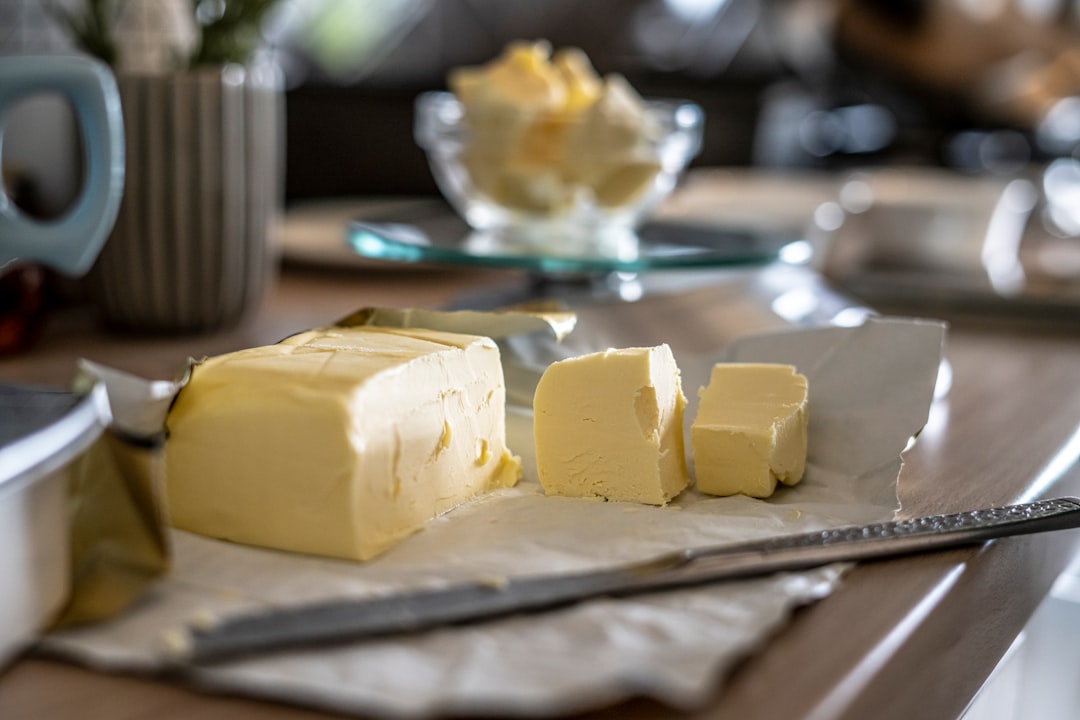
Photo by Sorin Gheorghita on Unsplash.
Medical Disclaimer: This article is AI-assisted and reviewed by the Vitalheros editorial team. It is provided for informational purposes only and is not a substitute for professional medical advice, diagnosis, or treatment. Always consult a qualified healthcare provider. Reviewed by The Vitalheros Editorial Team.