Pioneering Tool Offers Hope for Earlier Autism Detection
Some links in this article are affiliate links. As an Amazon Associate and partner of other programs, Vitalheros may earn a commission from qualifying purchases, at no extra cost to you. This never influences our editorial coverage.
Unlocking Earlier Insights into Autism Spectrum Disorder
For families navigating the complexities of Autism Spectrum Disorder (ASD), the diagnostic journey can often be protracted and emotionally taxing. Current diagnostic methods primarily rely on behavioral observations, which, while crucial, often lead to a diagnosis later in a child’s development. This delay can mean missed opportunities for early interventions that are known to significantly improve developmental trajectories and long-term outcomes. However, a new diagnostic tool is emerging that offers a beacon of hope, promising to revolutionize early detection by overcoming a significant biological hurdle: the blood-brain barrier.
This innovative approach aims to provide earlier, more objective insights into ASD, potentially transforming how we identify and support individuals on the spectrum. By addressing the challenge of accessing critical biological markers, this tool could pave the way for more timely interventions and personalized care strategies.
The Current Landscape of ASD Diagnosis
Autism Spectrum Disorder encompasses a wide range of neurodevelopmental conditions characterized by challenges in social interaction and communication, alongside restricted, repetitive patterns of behavior, interests, or activities. Its presentation varies greatly from person to person, making diagnosis a nuanced process.
Behavioral Observation: The Foundation
Presently, ASD diagnosis is primarily a clinical one, relying heavily on developmental screenings and comprehensive behavioral assessments conducted by specialists such as developmental pediatricians, psychologists, and neurologists. These assessments involve observing a child’s behavior, interviewing parents, and reviewing developmental history against established criteria. While invaluable, this process is inherently subjective to some degree and can be time-consuming.
The Challenge of Delayed Diagnosis
Despite increased awareness, the average age of ASD diagnosis often remains later than ideal. Many children are not diagnosed until preschool or even school age, missing a critical window during infancy and toddlerhood when the brain exhibits remarkable plasticity. This delay can postpone access to specialized therapies like applied behavior analysis (ABA), speech therapy, and occupational therapy, which are most effective when initiated early.
The Blood-Brain Barrier: A Protective Shield and a Diagnostic Hurdle
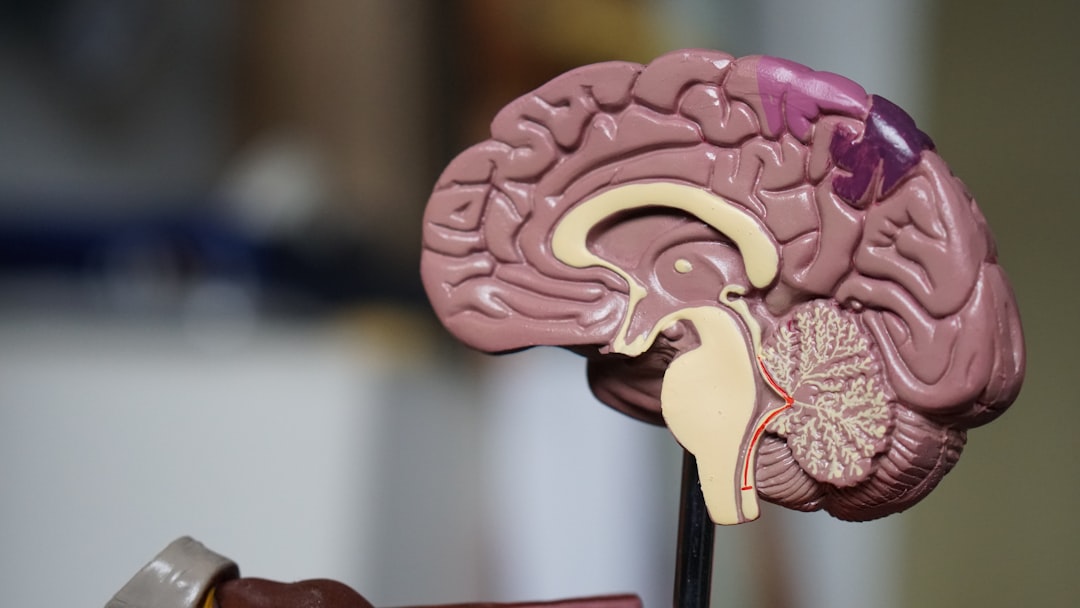
At the heart of the challenge in diagnosing many neurological conditions, including ASD, lies the blood-brain barrier (BBB). This highly selective semipermeable border separates the circulating blood from the brain and extracellular fluid in the central nervous system (CNS).
What is the Blood-Brain Barrier?
The BBB is a sophisticated network of tightly packed endothelial cells that line the brain’s capillaries, surrounded by pericytes and astrocytes. Its primary function is to protect the brain from circulating toxins, pathogens, and fluctuations in blood composition. It’s a vital gatekeeper, ensuring the brain’s delicate environment remains stable.
Why it Impedes Early Detection
While essential for protection, the BBB also presents a formidable obstacle for diagnostic efforts. Many biological markers (biomarkers) indicative of neurological conditions, including those potentially linked to ASD, reside within the brain or cerebrospinal fluid. Accessing these markers through traditional, non-invasive means (like blood tests) is often difficult because the BBB restricts their passage into the bloodstream. This means that even if specific brain-based biomarkers for ASD exist, detecting them early without invasive procedures has been a significant scientific challenge.
A Novel Approach: Bypassing the Barrier for Biomarker Discovery
The new diagnostic tool gaining attention is designed precisely to overcome this long-standing barrier. By finding a way to effectively ‘bypass’ the blood-brain barrier, this technology creates an unprecedented opportunity to access and analyze central nervous system (CNS) biomarkers that were previously out of reach for non-invasive testing.
How it Works (Conceptually)
While specific technical details of such a tool would depend on its underlying science, the fundamental principle involves either enabling certain molecules to cross the BBB more readily or detecting subtle signals or substances that *do* manage to cross, but are specific to brain activity or pathology. This could involve highly sensitive detection methods, novel nanoparticle delivery systems, or advanced imaging techniques that can indirectly infer CNS biomarker information. The key innovation lies in its ability to non-invasively or minimally invasively provide a window into the brain’s biochemical environment.
Towards Objective, Biological Markers
The significance of this breakthrough cannot be overstated. By accessing CNS biomarkers, this tool has the potential to move ASD diagnosis beyond solely behavioral observations to incorporate objective, biological indicators. This could lead to:
- Earlier Identification: Detecting biological markers before overt behavioral symptoms become pronounced.
- Increased Objectivity: Providing quantifiable data to support or refine clinical diagnoses.
- Personalized Interventions: Potentially identifying specific biological subtypes of ASD, allowing for more targeted and effective therapies.
This shift could offer a more definitive and consistent diagnostic pathway, reducing the diagnostic uncertainty and delays that many families currently face.
The Promise of Early Intervention in ASD
The adage early intervention is key holds particular resonance in the context of ASD. Research consistently demonstrates that therapeutic support initiated during critical developmental windows can profoundly impact a child’s trajectory.
Maximizing Brain Plasticity
Young brains exhibit remarkable plasticity, meaning they are highly adaptable and capable of forming new connections. Early interventions capitalize on this inherent flexibility, helping children develop crucial social, communication, and adaptive skills during a period when their brains are most receptive to learning and change. This can lead to significant improvements in developmental outcomes, independence, and overall quality of life.
Supporting Families from the Outset
An earlier diagnosis also empowers families sooner. It provides them with the knowledge and resources to understand their child’s unique needs, connect with support networks, and access specialized services. Navigating an ASD diagnosis can be isolating, and early identification can foster a proactive, supportive environment for both the child and their caregivers.
Future Directions and Impact
While the emergence of such a diagnostic tool is incredibly promising, it’s important to recognize that new technologies typically undergo rigorous testing and validation before widespread clinical adoption. Further research will be essential to confirm its accuracy, reliability, and utility across diverse populations.
This innovation represents a significant leap forward in our quest to understand and support individuals with autism, offering a glimpse into a future where early detection is not just a hope, but a reality.
The potential impact, however, is transformative. Imagine a future where a child’s developmental differences are identified not just months or years earlier, but perhaps in infancy, allowing for immediate, tailored support. This could fundamentally alter the experience of ASD, shifting the focus from managing challenges to fostering strengths and maximizing potential from the earliest possible age. Such a tool could also accelerate research into the underlying causes and mechanisms of ASD, opening new avenues for therapeutic development.
Explore more in our Digital Health coverage.
🔬 Scientific Takeaway
A novel diagnostic tool shows promise in overcoming the blood-brain barrier, a significant hurdle in identifying neurological biomarkers. This innovation could enable earlier, more objective detection of Autism Spectrum Disorder (ASD) by accessing central nervous system biomarkers. Early diagnosis is critical for initiating timely interventions, which are known to improve developmental outcomes and support individuals with ASD effectively.
Sources & References
Photo by Robina Weermeijer on Unsplash.
Medical Disclaimer: This article is AI-assisted and reviewed by the Vitalheros editorial team. It is provided for informational purposes only and is not a substitute for professional medical advice, diagnosis, or treatment. Always consult a qualified healthcare provider. Reviewed by The Vitalheros Editorial Team.