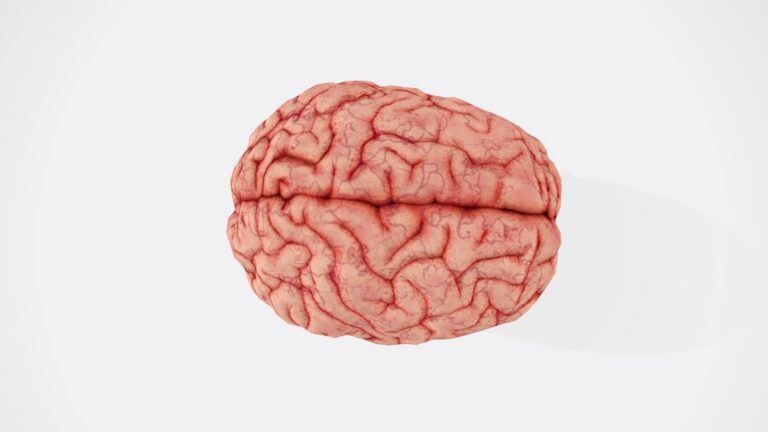
Creatine as an Adjunctive Therapy for Depression: What the Science Says

Some links in this article are affiliate links. As an Amazon Associate and partner of other programs, Vitalheros may earn a commission from qualifying purchases, at no extra cost to you. This never influences our editorial coverage.
Unpacking Creatine’s Potential Beyond the Gym
For decades, creatine has been a staple in the fitness world, celebrated for its ability to boost muscle strength and athletic performance. Yet, a growing body of research is now exploring this naturally occurring compound’s surprising role in brain health, particularly its potential as an adjunctive therapy for mental health conditions like depression. A recent review delves into the efficacy of creatine when used alongside standard treatments for depression, offering a nuanced perspective on its emerging therapeutic promise.
Depression remains a significant global health challenge, impacting millions worldwide. While conventional treatments like psychotherapy and antidepressant medications are effective for many, a substantial portion of individuals do not achieve full remission or experience bothersome side effects. This reality fuels the continuous search for novel, complementary approaches that can enhance treatment outcomes and improve quality of life. Creatine, with its fundamental role in cellular energy, is now firmly in the spotlight of this investigation.
Creatine: The Brain’s Energy Booster
To understand creatine’s potential in mental health, it’s essential to grasp its fundamental biological role. Creatine is an amino acid derivative synthesized in the body, primarily in the liver and kidneys, and stored predominantly in skeletal muscles. Its main function is to facilitate the rapid regeneration of adenosine triphosphate (ATP), the primary energy currency of cells. This energy-boosting capability is why athletes often supplement with it.
However, creatine is not exclusive to muscle tissue; it’s also found in significant concentrations in the brain. Brain cells, particularly neurons, are highly energy-intensive, constantly requiring a steady supply of ATP to perform their complex functions, from neurotransmission to maintaining cellular integrity. Impairments in brain energy metabolism have been implicated in various neurological and psychiatric disorders, including depression.
The Energy Deficit Hypothesis in Depression
The hypothesis that an energy deficit contributes to the pathophysiology of depression has gained traction in recent years. Research suggests that mitochondrial dysfunction, oxidative stress, and altered energy production pathways may play a role in the development and persistence of depressive symptoms. If brain cells struggle to produce or utilize energy efficiently, it could manifest as fatigue, cognitive difficulties, and mood disturbances – common hallmarks of depression.
This is where creatine enters the picture. By supporting ATP production and maintaining cellular energy homeostasis, creatine theoretically could help mitigate these energy deficits in the brain. It acts as a buffer, ensuring that neurons have a readily available energy source, potentially improving their resilience and function.
Creatine as an Adjunctive Therapy for Depression
The recent review specifically examined creatine’s efficacy as an add-on or adjunctive therapy, meaning it’s intended to supplement, not replace, existing antidepressant treatments. This distinction is crucial, as the current scientific understanding does not support creatine as a standalone treatment for depression.
“The review suggests that while creatine shows promise in certain contexts, it is primarily being explored as a synergistic agent to enhance the effects of conventional antidepressant therapies, not as a replacement.”
How Might Creatine Exert its Effects?
Beyond its direct role in energy metabolism, several mechanisms have been proposed for how creatine might influence mood and cognitive function:
- Neurotransmitter Modulation: Creatine may influence the synthesis and function of key neurotransmitters involved in mood regulation, such as serotonin, dopamine, and norepinephrine. By ensuring adequate energy supply, it might optimize the processes that produce and release these crucial chemical messengers.
- Neuroprotection: Creatative’s antioxidant properties and ability to stabilize cellular membranes could offer neuroprotective benefits, shielding brain cells from damage caused by oxidative stress or inflammation, which are also linked to depression.
- Brain Plasticity: Some studies suggest creatine could support neuroplasticity, the brain’s ability to adapt and form new connections. Enhanced plasticity is often associated with improved mood regulation and cognitive function.
Review Findings and Emerging Patterns
While the specific details of the review’s findings were not extensively elaborated in the source summary, such assessments typically aggregate data from multiple clinical trials and observational studies. Generally, reviews exploring creatine for depression have noted several patterns:
- Potential for Symptom Improvement: Some studies included in such reviews suggest that individuals with major depressive disorder who added creatine to their antidepressant regimen experienced greater reductions in depressive symptoms compared to those receiving antidepressants alone.
- Faster Response: There’s some indication that creatine might accelerate the therapeutic response to standard antidepressants, potentially shortening the time it takes for patients to feel better.
- Specific Populations: Efficacy might vary, with some research pointing to stronger effects in certain populations, such as younger adults or women. However, more targeted research is needed to confirm these distinctions.
It is important to reiterate that these findings are often derived from relatively small studies and require replication in larger, more diverse cohorts to establish definitive conclusions.
Important Considerations and Future Directions
Despite the intriguing potential, the use of creatine for depression is still considered investigational, and several important considerations remain:
- Optimal Dosage and Duration: The ideal dosage, timing, and duration of creatine supplementation for therapeutic effects in depression are not yet firmly established. Research uses varying protocols, making it challenging to standardize recommendations.
- Safety Profile: Creatine is generally considered safe for most healthy individuals when taken within recommended dosages. However, individuals with pre-existing kidney conditions or other medical issues should exercise caution and always consult a healthcare professional before considering supplementation. Mild side effects like gastrointestinal discomfort are sometimes reported.
- Individual Variability: As with many interventions, individual responses to creatine can vary. Not everyone may experience the same benefits, and genetic factors or other physiological differences might influence efficacy.
- Need for Robust Research: The scientific community calls for more large-scale, placebo-controlled, randomized clinical trials to confirm creatine’s efficacy, clarify optimal usage, and thoroughly assess its long-term safety profile as an adjunctive therapy for depression.
The exploration of creatine as an add-on therapy for depression represents a fascinating frontier in mental health research. While the evidence is promising, it underscores the importance of a measured approach. For anyone considering creatine supplementation, especially for a medical condition like depression, consulting with a qualified healthcare provider is paramount. They can provide personalized advice, assess potential interactions with existing medications, and monitor for any adverse effects, ensuring that any treatment plan is safe and appropriate for individual needs.
Explore more in our Digital Health coverage.
🔬 Scientific Takeaway
A recent review indicates that creatine shows promise as an adjunctive therapy for depression, potentially enhancing the efficacy of standard antidepressant treatments by supporting brain energy metabolism and influencing neurotransmitter function. While generally considered safe, more robust, large-scale clinical trials are needed to confirm its therapeutic role, establish optimal dosages, and understand long-term effects. Creatine is not a standalone treatment and should only be considered under medical guidance.
Sources & References
Photo by Tachina Lee on Unsplash.
Medical Disclaimer: This article is AI-assisted and reviewed by the Vitalheros editorial team. It is provided for informational purposes only and is not a substitute for professional medical advice, diagnosis, or treatment. Always consult a qualified healthcare provider. Reviewed by The Vitalheros Editorial Team.