Bird Flu in Dairy Cattle: Unraveling the Infection Mechanism
Some links in this article are affiliate links. As an Amazon Associate and partner of other programs, Vitalheros may earn a commission from qualifying purchases, at no extra cost to you. This never influences our editorial coverage.
The emergence of Highly Pathogenic Avian Influenza (HPAI), commonly known as bird flu, within dairy cattle herds has introduced a new layer of complexity to global public health and agricultural concerns. While H5N1 has long been monitored for its potential to jump species, its recent detection in dairy cows marks a significant development. Understanding precisely how this virus infects bovine animals is paramount for developing effective control strategies, protecting livestock, and mitigating any potential risks to human health. Recent scientific endeavors are now shedding light on the intricate mechanisms behind these infections, offering crucial insights into this evolving threat.
The Unprecedented Spread of H5N1 to Dairy Cattle
For decades, H5N1 has primarily been a concern for poultry, causing devastating outbreaks in bird populations worldwide. However, in recent months, the virus has made an unexpected leap, infecting dairy cattle across several regions. This development surprised many, as cattle were not previously considered a primary host for avian influenza viruses.
Clinical Picture in Infected Herds
Unlike the severe respiratory illness often seen in birds, H5N1 in dairy cattle presents with a distinct set of symptoms. Affected cows may experience:
- A noticeable drop in milk production
- Changes in milk consistency, appearing thick or discolored
- Reduced appetite and lethargy
- Mild fever
- Dehydration
While most infected cows recover, the economic impact on dairy farms due to decreased milk yield and animal welfare concerns is substantial. The primary route of transmission between cattle appears to be through direct contact or contaminated equipment, emphasizing the need for stringent biosecurity measures.
Unraveling the Viral Infection Mechanism
At the heart of any viral infection lies a complex molecular dance between the virus and its host cells. For H5N1 in dairy cattle, scientists are intensely focused on identifying the specific cellular receptors and pathways the virus exploits to gain entry, replicate, and spread within the bovine body. Understanding this ‘mechanism’ is not merely an academic exercise; it’s a foundational step for practical interventions.
Why Understanding the Mechanism Matters
Pinpointing the exact mechanism of infection provides critical advantages:
- Targeted Antivirals: If scientists can identify the specific proteins or pathways the virus uses to enter or replicate within bovine cells, it opens avenues for developing antiviral drugs that can block these steps.
- Vaccine Development: Knowledge of how the virus binds to host cells can inform the design of more effective vaccines, prompting the animal’s immune system to produce antibodies that neutralize the virus before it can establish an infection.
- Predicting Zoonotic Potential: Comparing the bovine infection mechanism to known human infection pathways can help assess the virus’s potential to efficiently infect humans and guide public health preparedness.
- Biosecurity Enhancements: Understanding which tissues or cell types are most susceptible can help refine biosecurity protocols, focusing on preventing exposure to specific viral loads or contaminated materials.
Researchers are employing advanced techniques, including cellular assays, genetic sequencing, and structural biology, to map out these interactions. This work is crucial for identifying whether the virus has adapted specifically to bovine hosts or if it’s exploiting existing cellular machinery that happens to be present in cattle.
Implications for Animal Health and Agriculture
The presence of H5N1 in dairy cattle poses significant challenges for the agricultural sector. Beyond the immediate economic losses from reduced milk production and potential animal culling, there are long-term concerns.
Protecting the Dairy Supply Chain
Regulatory bodies and industry stakeholders are working collaboratively to ensure the safety of the milk supply. Pasteurization, a standard process for treating milk, has been confirmed to inactivate the H5N1 virus, meaning pasteurized milk and dairy products remain safe for human consumption. However, the presence of the virus in raw milk underscores the importance of adhering to pasteurization guidelines and avoiding raw milk consumption.
Enhancing Biosecurity on Farms
The sustained presence of H5N1 in cattle reinforces the need for robust biosecurity measures on dairy farms. This includes strict protocols for:
- Controlling movement of animals and personnel
- Sanitizing equipment and facilities regularly
- Isolating sick animals promptly
- Monitoring herds for early signs of infection
These practices are vital in limiting the spread of the virus both within and between farms.
Zoonotic Potential and Public Health
One of the most pressing concerns with any avian influenza virus is its potential to transmit to humans. While human infections with H5N1 from cattle have been reported, they have been rare and primarily limited to individuals with direct, prolonged exposure to infected animals. The current risk to the general public is considered low, but continuous surveillance is critical.
“Understanding the specific ways H5N1 interacts with bovine cells gives us vital clues about its evolutionary trajectory and potential for broader host adaptation, including to humans. This research is a cornerstone of our pandemic preparedness efforts.”
Public health agencies are closely monitoring the situation, tracking viral mutations, and assessing any changes in transmissibility or virulence. The scientific community’s rapid response in identifying the infection mechanism is a testament to the global collaborative effort to stay ahead of emerging infectious diseases.
Looking Ahead: Prevention and Preparedness
The ongoing research into H5N1’s infection mechanism in dairy cattle forms a critical part of a broader strategy for prevention and preparedness. This includes:
- Enhanced Surveillance: Continuous monitoring of animal populations for viral presence and genetic changes.
- Vaccine Research: Development of effective vaccines for cattle to protect herds and reduce viral load in the environment.
- Antiviral Development: Identifying and testing antiviral compounds that could be used in animals or, if needed, in humans.
- Public Education: Informing the public and agricultural workers about risks, symptoms, and preventive measures.
The journey to fully comprehend and control H5N1 in dairy cattle is ongoing. However, the foundational work in understanding its infection mechanism represents a significant leap forward, equipping scientists and public health officials with better tools to safeguard both animal and human health.
Explore more in our Digital Health coverage.
🔬 Scientific Takeaway
Scientists are actively investigating the precise molecular mechanisms by which H5N1 avian influenza infects dairy cattle. This crucial research aims to identify how the virus enters and replicates within bovine cells, providing foundational knowledge for developing targeted antiviral treatments, effective vaccines, and enhanced biosecurity measures to protect both animal and public health.
Sources & References
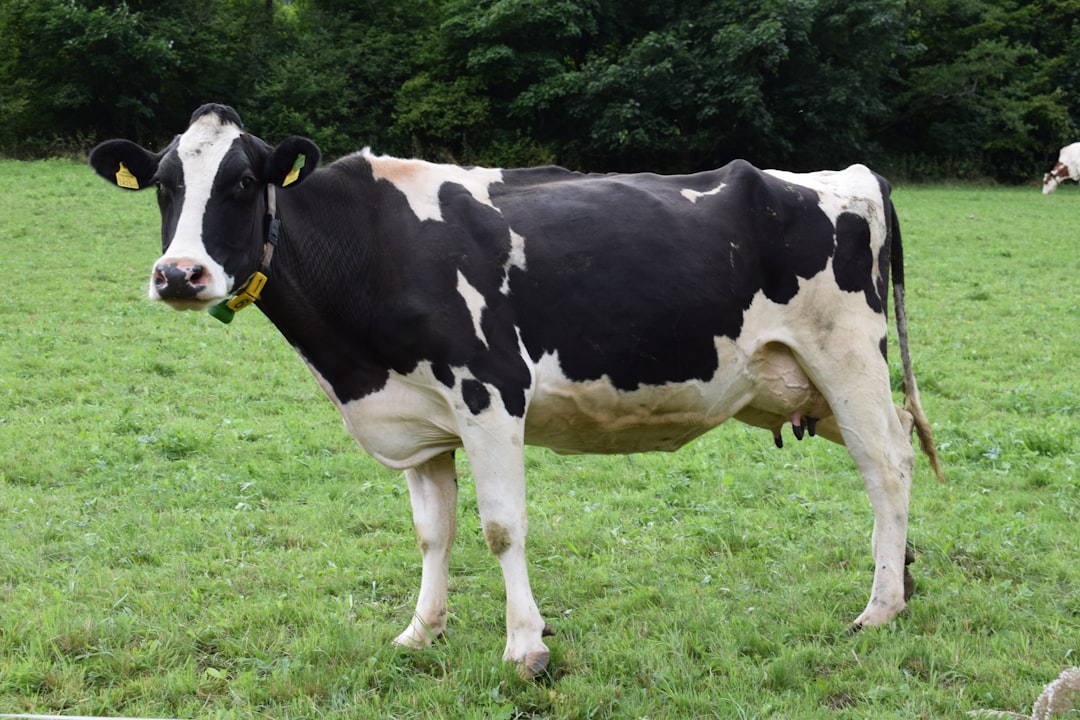
Photo by Screenroad on Unsplash.
Medical Disclaimer: This article is AI-assisted and reviewed by the Vitalheros editorial team. It is provided for informational purposes only and is not a substitute for professional medical advice, diagnosis, or treatment. Always consult a qualified healthcare provider. Reviewed by The Vitalheros Editorial Team.