
Unraveling Hyperarousal: Zebrafish Study Points to Genetic Roots
Some links in this article are affiliate links. As an Amazon Associate and partner of other programs, Vitalheros may earn a commission from qualifying purchases, at no extra cost to you. This never influences our editorial coverage.
Decoding Hyperarousal: A Glimpse into the Brain’s Alarm System
For many, life’s challenges can trigger a state of heightened alert—a feeling of being constantly on edge, ready to react. This persistent vigilance, known as hyperarousal, is a hallmark symptom of various mental health conditions, including anxiety disorders, post-traumatic stress disorder (PTSD), and even certain forms of depression. Understanding the intricate biological mechanisms that drive hyperarousal is crucial for developing more effective interventions. While the human brain is extraordinarily complex, recent research leveraging simpler model organisms is beginning to shed light on its fundamental underpinnings.
A recent study, utilizing the common zebrafish, has uncovered a compelling link between altered neuronal genes and these hyperarousal states. This discovery offers valuable insights into the genetic architecture that might predispose individuals to heightened reactivity and provides a promising avenue for future research into human neurological disorders.
What Exactly is Hyperarousal?
Hyperarousal is more than just feeling stressed or anxious; it represents a physiological and psychological state where the body’s ‘fight or flight’ response is chronically overactive. Individuals experiencing hyperarousal often exhibit:
- Exaggerated Startle Response: Reacting intensely to sudden noises or movements.
- Sleep Disturbances: Difficulty falling or staying asleep, often due to a sense of danger or unease.
- Irritability: A lower tolerance for frustration and a tendency towards quick temper.
- Difficulty Concentrating: The mind may be too busy scanning for threats to focus on tasks.
- Hypervigilance: Constantly scanning the environment for potential dangers, even when none exist.
These symptoms can significantly impair quality of life, making everyday activities challenging and exhausting. Pinpointing the biological roots of such a pervasive state is a major goal in neuroscience and mental health research.
The Zebrafish Advantage: A Window into Brain Function
At first glance, a small freshwater fish might seem an unlikely candidate for unraveling complex human brain disorders. However, the humble zebrafish (Danio rerio) has emerged as an indispensable model in biomedical research, particularly in neuroscience. Several key attributes make them ideal:
Genetic Similarities to Humans
Despite their evolutionary distance, zebrafish share a remarkable genetic homology with humans. Approximately 70% of human genes have a zebrafish counterpart, and around 80% of genes associated with human diseases are also found in zebrafish. This shared genetic blueprint means that discoveries made in zebrafish can often be directly relevant to human biology and disease.
Transparent Embryos and Rapid Development
Zebrafish embryos develop externally and are optically transparent, allowing researchers to observe brain development and neuronal activity in real-time, non-invasively. Their rapid development also means that genetic manipulations and their behavioral consequences can be studied quickly, accelerating the pace of discovery.
Complex Behaviors and Easy Observation
While seemingly simple, zebrafish exhibit a range of complex behaviors, including social interactions, learning, memory, and responses to stress and fear. These behaviors can be quantified and analyzed, providing measurable readouts for genetic or pharmacological interventions.
Unpacking the Genetic Link to Hyperarousal
The recent study focused on identifying specific neuronal genes whose alterations corresponded with hyperarousal states in zebrafish. By carefully observing the fish’s behavior and correlating it with changes in gene expression or function, researchers were able to draw significant connections.
The findings indicated that when certain genes involved in neuronal function were altered, the zebrafish displayed behaviors consistent with hyperarousal—such as an increased startle response to stimuli or heightened exploratory patterns indicative of increased vigilance. This suggests that these specific genetic pathways play a critical role in regulating the brain’s baseline state of arousal and its response to environmental cues.
“This study provides compelling evidence that specific genetic alterations in neuronal pathways can directly influence an organism’s predisposition to hyperarousal, opening new avenues for understanding and potentially treating related human conditions.”
The research underscores the intricate dance between our genetic makeup and our neurological responses to the world around us. Identifying these specific genetic players in a model system like the zebrafish offers a foundational understanding that can be built upon in more complex organisms.
Implications for Human Health and Future Research
While findings from zebrafish studies cannot be directly translated as human treatments, they provide invaluable biological insights and potential targets for further investigation. The discovery of a genetic link to hyperarousal in zebrafish has several profound implications for human health:
- Understanding Predisposition: It suggests that some individuals may have a genetic predisposition to hyperarousal, making them more susceptible to conditions like anxiety or PTSD when exposed to stressors.
- Novel Therapeutic Targets: Identifying the specific neuronal genes and pathways involved could lead to the development of new pharmacological interventions. Instead of broadly targeting neurotransmitter systems, future drugs might be designed to modulate these specific genetic pathways to normalize arousal levels.
- Biomarker Discovery: These genetic insights might also pave the way for identifying biomarkers that could help predict an individual’s risk for hyperarousal-related disorders or monitor their response to treatment.
- Personalized Medicine: In the long term, understanding an individual’s genetic profile related to arousal could help tailor preventative strategies or treatment approaches, moving towards a more personalized medicine model for mental health.
This research serves as a critical stepping stone, illustrating how fundamental biological discoveries in model organisms can illuminate complex human conditions. The next phase will involve validating these genetic links in mammalian models and, eventually, exploring their relevance in human populations.
The Road Ahead: From Zebrafish to New Therapies
The journey from a zebrafish finding to a human therapy is a long one, but it is paved with such foundational discoveries. This study provides a vital piece of the puzzle in understanding hyperarousal. Researchers can now delve deeper into the precise mechanisms by which these identified genes influence neuronal circuits and contribute to an overactive alarm system.
Continued research will likely focus on:
- Further characterizing the specific functions of these identified genes.
- Investigating how environmental factors interact with these genetic predispositions.
- Screening for compounds that can modulate the activity of these genes or their downstream pathways.
Ultimately, this work brings us closer to a future where the debilitating effects of hyperarousal can be more effectively understood, prevented, and treated, allowing individuals to live with a greater sense of calm and control.
Explore more in our Digital Health coverage.
🔬 Scientific Takeaway
A study using zebrafish models has identified specific alterations in neuronal genes that correlate with hyperarousal states. These findings suggest a genetic predisposition to heightened vigilance and reactivity, potentially offering new insights into the biological mechanisms underlying human conditions characterized by hyperarousal, such as anxiety disorders and PTSD.
Sources & References
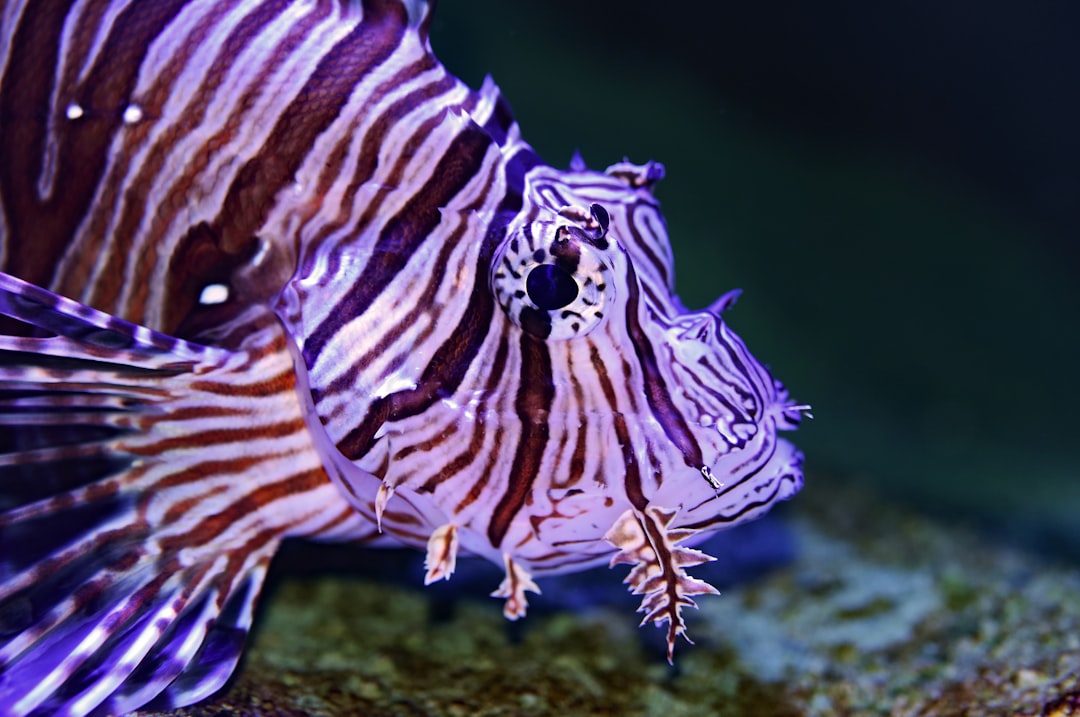
Photo by David Clode on Unsplash.
Medical Disclaimer: This article is AI-assisted and reviewed by the Vitalheros editorial team. It is provided for informational purposes only and is not a substitute for professional medical advice, diagnosis, or treatment. Always consult a qualified healthcare provider. Reviewed by The Vitalheros Editorial Team.