Dietary Fiber Blends: A Key to Digestive Health and Constipation Relief
Some links in this article are affiliate links. As an Amazon Associate and partner of other programs, Vitalheros may earn a commission from qualifying purchases, at no extra cost to you. This never influences our editorial coverage.
In the landscape of modern health, few dietary components garner as much consistent praise as fiber. Often overlooked in our fast-paced lives, adequate fiber intake is a cornerstone of digestive wellness, particularly when it comes to common complaints like constipation and inconsistent stool. Emerging understanding reinforces that not all fiber is created equal, and a balanced blend can offer comprehensive support for gut health.
Understanding Constipation and Its Widespread Impact
Constipation is a prevalent digestive issue characterized by infrequent bowel movements, difficulty passing stool, or the sensation of incomplete evacuation. While definitions can vary, it generally involves having fewer than three bowel movements per week, often accompanied by hard, dry stools and straining.
The impact of constipation extends beyond mere discomfort. It can significantly diminish quality of life, leading to bloating, abdominal pain, fatigue, and even anxiety. Chronic constipation can also contribute to more serious conditions over time, underscoring the importance of effective management strategies. Lifestyle factors, including diet, hydration, physical activity, and certain medications, all play a role in its development.
The Science Behind Fiber’s Efficacy
Dietary fiber refers to indigestible plant-derived carbohydrates that pass through the digestive system largely intact. Despite not being absorbed for energy, fiber performs crucial functions that are vital for gut health and overall well-being. It is broadly categorized into two main types: soluble and insoluble, each contributing uniquely to digestive regularity.
Soluble Fiber: The Stool Softener and Gut Nourisher
Soluble fiber dissolves in water to form a gel-like substance in the digestive tract. This gel helps to soften stool, making it easier to pass, and can also slow down the digestive process, which aids in nutrient absorption and promotes a feeling of fullness. Sources include oats, barley, nuts, seeds, beans, lentils, peas, and many fruits and vegetables like apples, citrus fruits, and carrots.
Beyond its physical effects on stool, soluble fiber is also a vital fuel source for beneficial bacteria in the colon. These microbes ferment the fiber, producing short-chain fatty acids (SCFAs) like butyrate, which nourish the cells lining the colon, support immune function, and may have anti-inflammatory effects throughout the body. This interaction highlights fiber’s role as a prebiotic, fostering a healthy gut microbiome.
Insoluble Fiber: The Bulking Agent and Transit Accelerator
Insoluble fiber, as its name suggests, does not dissolve in water. Instead, it adds bulk to stool, which helps to stimulate bowel movements and facilitate faster transit through the digestive system. By increasing stool volume, insoluble fiber can help prevent the formation of hard, compact stools that are difficult to pass.
Key sources of insoluble fiber include whole-wheat flour, wheat bran, nuts, beans, and vegetables such as cauliflower, green beans, and potatoes. Its ‘bulking’ action is particularly effective in addressing sluggish bowel movements and promoting a regular emptying schedule.
The Advantage of Fiber Blends
While both soluble and insoluble fibers offer distinct benefits, research suggests that a synergistic approach—incorporating a blend of both types—can be particularly effective in managing constipation and optimizing stool consistency. A well-formulated fiber blend leverages the unique properties of each fiber type to provide comprehensive digestive support.
“A balanced intake of diverse fiber types addresses multiple facets of digestive health, from softening stool and promoting regularity to nourishing the gut microbiome.”
Soluble fibers work to soften and lubricate, while insoluble fibers add the necessary bulk and accelerate transit. Together, they create a more ideal stool consistency and rhythm, addressing the root causes of constipation more holistically than either type might alone. This balanced approach not only relieves immediate symptoms but also contributes to a more resilient and healthy digestive system over time.
Practical Steps for Incorporating More Fiber
Integrating more fiber into your diet doesn’t have to be complicated. Small, consistent changes can lead to significant improvements in digestive health.
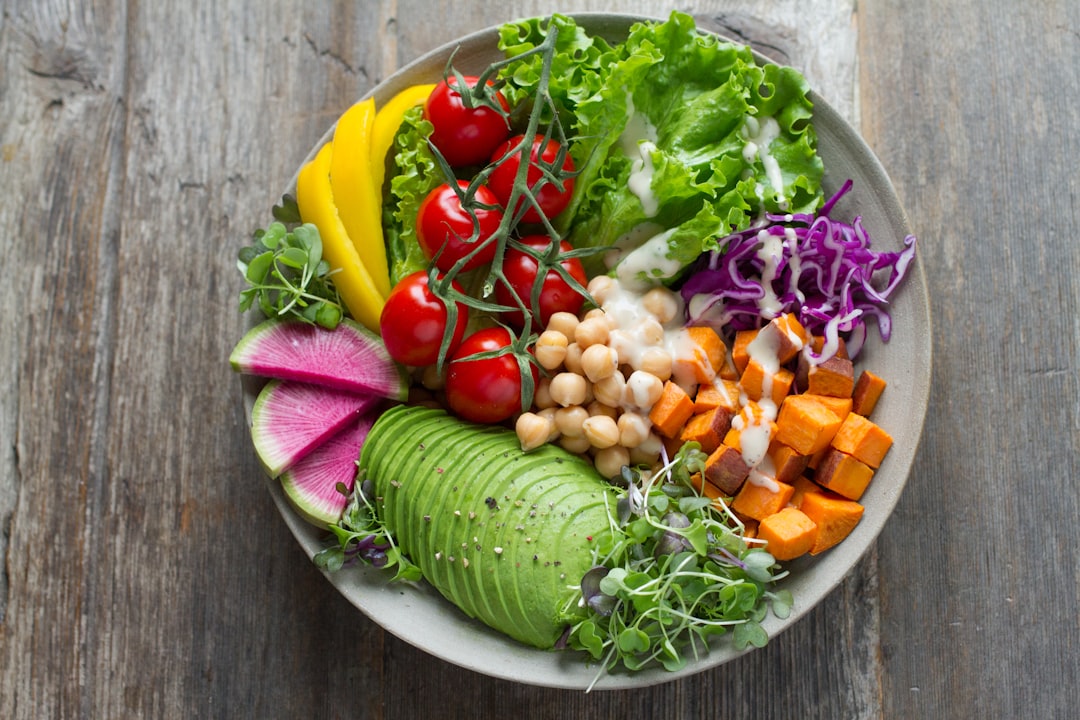
- Prioritize Whole Foods: Focus on a diet rich in fruits, vegetables, whole grains, legumes, nuts, and seeds. These foods naturally provide a diverse array of both soluble and insoluble fibers.
- Hydration is Key: Fiber needs water to work effectively. Without adequate fluid intake, increased fiber can actually worsen constipation. Aim for ample water consumption throughout the day.
- Increase Gradually: A sudden, large increase in fiber intake can lead to gas, bloating, and abdominal discomfort. Introduce fiber-rich foods slowly over several weeks to allow your digestive system to adjust.
- Consider Fiber Supplements: If dietary intake is insufficient, a fiber supplement containing a blend of soluble and insoluble fibers might be helpful. Always consult with a healthcare professional before starting any new supplement regimen, especially if you have underlying health conditions or are taking medications.
- Stay Active: Regular physical activity can also stimulate bowel movements and support overall digestive function.
Beyond Constipation: Broader Health Benefits of Fiber
The benefits of a fiber-rich diet extend far beyond digestive regularity. Adequate fiber intake is associated with a host of other health advantages:
- Gut Microbiome Health: By feeding beneficial gut bacteria, fiber contributes to a diverse and robust microbiome, which is increasingly linked to immune function, mood, and chronic disease prevention.
- Blood Sugar Regulation: Soluble fiber can slow the absorption of sugar, helping to stabilize blood glucose levels and reduce the risk of type 2 diabetes.
- Cholesterol Management: Certain soluble fibers can help lower LDL (‘bad’) cholesterol levels by binding to bile acids in the gut and facilitating their excretion.
- Weight Management: Fiber-rich foods often provide greater satiety, helping to reduce overall calorie intake and support healthy weight maintenance.
- Reduced Risk of Chronic Diseases: A diet high in fiber is associated with a lower risk of heart disease, certain cancers, and other chronic conditions.
Embracing a diet rich in diverse fiber sources is a powerful strategy for not only relieving constipation and improving stool consistency but also for fostering long-term health and vitality. By understanding the different types of fiber and how they work synergistically, individuals can make informed dietary choices that support a thriving digestive system.
Explore more in our Digital Health coverage.
🔬 Scientific Takeaway
A balanced dietary intake, particularly of diverse fiber blends, is crucial for digestive health. Soluble fiber softens stool and nourishes the gut microbiome, while insoluble fiber adds bulk and speeds transit. Together, these fibers effectively alleviate constipation, improve stool consistency, and offer broader health benefits beyond the digestive system.
Sources & References
Photo by Anna Pelzer on Unsplash.
Medical Disclaimer: This article is AI-assisted and reviewed by the Vitalheros editorial team. It is provided for informational purposes only and is not a substitute for professional medical advice, diagnosis, or treatment. Always consult a qualified healthcare provider. Reviewed by The Vitalheros Editorial Team.