
Charting the Future of Care: How Digital Roadmaps Transform Hospitals
Some links in this article are affiliate links. As an Amazon Associate and partner of other programs, Vitalheros may earn a commission from qualifying purchases, at no extra cost to you. This never influences our editorial coverage.
In an era defined by rapid technological advancement, the healthcare sector is undergoing a profound digital transformation. Hospitals worldwide are moving beyond traditional paper-based systems, embracing sophisticated digital tools to enhance patient care, streamline operations, and drive innovation. This journey, however, is complex, requiring a clear vision and a robust strategy. This is where frameworks like the Electronic Medical Record Adoption Model (EMRAM) become invaluable, serving as a vital modernization roadmap for healthcare institutions.
What is EMRAM? A Digital Compass for Hospitals
Developed by the Healthcare Information and Management Systems Society (HIMSS), EMRAM is a comprehensive eight-stage model (0-7) that measures the degree of electronic medical record (EMR) adoption and digital maturity within hospitals. It provides a standardized methodology for evaluating an organization’s progress in leveraging information technology to improve patient care processes.
Understanding the Stages:
- Stages 0-1: Basic Automation – Focus on departmental systems (e.g., lab, pharmacy) and basic clinical documentation.
- Stages 2-3: Clinical Documentation & Image Archiving – Introduction of Computerized Provider Order Entry (CPOE) and Picture Archiving and Communication Systems (PACS).
- Stages 4-5: Advanced Clinical Systems – Full CPOE, clinical decision support, and medication administration processes are largely electronic.
- Stages 6-7: Full EMR Adoption & Analytics – Near paperless environment with comprehensive EMR, advanced data analytics, and patient engagement tools. Stage 7 represents the pinnacle, signifying a highly integrated, paperless, and data-driven environment with robust interoperability.
Each stage represents increasing sophistication in the use of health information technology, moving from fundamental digital infrastructure to advanced capabilities that support proactive, data-driven healthcare.
Beyond Paper Charts: The Imperative for Modernization
The push for digital modernization in healthcare isn’t merely about adopting new technology; it’s about fundamentally transforming how care is delivered and managed. The benefits extend across various facets of the healthcare ecosystem:
- Enhanced Patient Safety: Digital systems, especially those with CPOE and clinical decision support, can significantly reduce medication errors, improve diagnostic accuracy, and ensure consistent adherence to best practices.
- Improved Efficiency and Workflow: Automating routine tasks, centralizing patient data, and streamlining communication between departments can free up clinicians to focus more on direct patient care, reducing administrative burdens and wait times.
- Better Data for Better Decisions: A robust EMR system collects vast amounts of clinical and operational data. When properly analyzed, this data can provide invaluable insights for population health management, resource allocation, quality improvement initiatives, and personalized medicine.
- Seamless Information Exchange: Higher EMRAM stages emphasize interoperability, allowing for secure and efficient sharing of patient information across different healthcare providers and settings. This is crucial for coordinated care, especially for patients with complex or chronic conditions.
- Patient Engagement: Modern digital platforms often include patient portals, empowering individuals to access their health records, schedule appointments, and communicate with their care teams, fostering a more collaborative approach to health management.
Navigating the Roadmap: Key Aspects of Digital Transformation
Embarking on a digital transformation journey guided by a framework like EMRAM requires a multi-faceted approach. It’s not just about purchasing software; it involves a holistic shift in culture, processes, and infrastructure.
Strategic Planning and Investment:
Hospitals must commit significant resources, both financial and human, to implement and maintain advanced EMR systems. This includes careful planning, vendor selection, and long-term investment in IT infrastructure and cybersecurity measures.
Change Management and Training:
Introducing new digital tools inevitably impacts staff workflows. Effective change management strategies, coupled with comprehensive training programs for all users—from physicians and nurses to administrative staff—are critical for successful adoption and to mitigate resistance.
Data Governance and Security:
As more sensitive patient data becomes digitized, robust data governance policies and stringent cybersecurity protocols are paramount. Protecting patient privacy and ensuring data integrity are non-negotiable foundations of any modern healthcare system.
Interoperability and Ecosystem Integration:
A truly modern hospital doesn’t operate in isolation. The ability to seamlessly exchange information with other healthcare providers, pharmacies, laboratories, and even public health agencies is a hallmark of advanced digital maturity, crucial for holistic patient care.
The Future of Care: EMRAM as a Continuous Improvement Cycle
Achieving a high EMRAM stage is not a final destination but rather a milestone in an ongoing journey of continuous improvement. The healthcare landscape is constantly evolving, with new technologies, treatment modalities, and patient expectations emerging regularly. A "modernization roadmap" like EMRAM encourages hospitals to:
- Regularly Assess and Adapt: Periodically review their digital capabilities against evolving standards and best practices.
- Innovate and Integrate: Explore emerging technologies like artificial intelligence, telehealth, and remote monitoring to further enhance care delivery.
- Prioritize Patient-Centricity: Ensure that all digital initiatives ultimately serve to improve the patient experience and health outcomes.
"The digital transformation of healthcare is not just about technology; it’s about empowering clinicians, engaging patients, and building a more resilient, responsive, and equitable healthcare system for the future," notes a leading digital health expert.
By providing a clear, structured pathway, EMRAM helps healthcare leaders navigate the complexities of digital innovation, ensuring that technological advancements translate into tangible improvements in the quality, safety, and efficiency of patient care.
For Vitalheros.com, this evolution signifies a future where health information is readily accessible, insights are actionable, and patient care is more personalized and effective than ever before. It underscores the critical role of strategic digital adoption in advancing global longevity and well-being.
Explore more in our Digital Health coverage.
🔬 Scientific Takeaway
The Electronic Medical Record Adoption Model (EMRAM) provides a structured framework for healthcare institutions to assess and advance their digital maturity. By systematically progressing through EMRAM stages, hospitals can enhance data integration, improve clinical decision support, boost operational efficiency, and ultimately elevate the standard of patient care and safety.
Sources & References
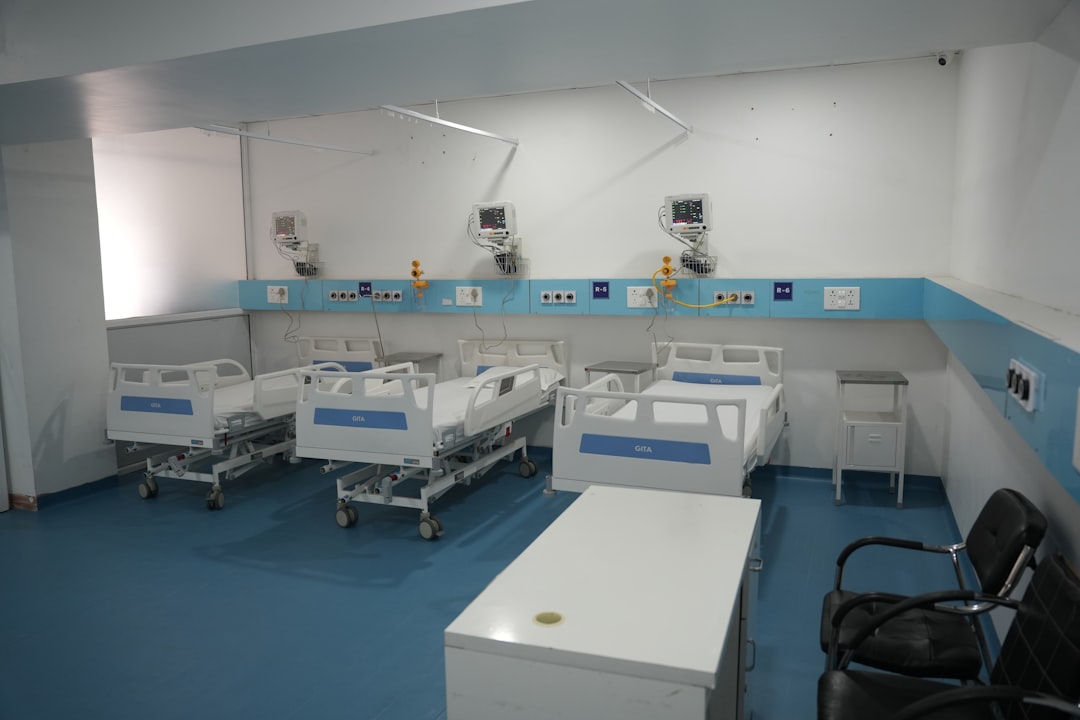
Photo by Irshad Pathan on Unsplash.
Medical Disclaimer: This article is AI-assisted and reviewed by the Vitalheros editorial team. It is provided for informational purposes only and is not a substitute for professional medical advice, diagnosis, or treatment. Always consult a qualified healthcare provider. Reviewed by The Vitalheros Editorial Team.