Soft Robotic Heart Mimics Human Valves: A Leap for Cardiac Health
Some links in this article are affiliate links. As an Amazon Associate and partner of other programs, Vitalheros may earn a commission from qualifying purchases, at no extra cost to you. This never influences our editorial coverage.
The human heart is a marvel of biological engineering, and its four delicate valves are central to its efficient function. These valves open and close hundreds of thousands of times a day, ensuring blood flows in one direction and under precisely controlled pressure. When these valves falter due to disease or age, the consequences can be severe, often necessitating surgical intervention. While current prosthetic heart valves have saved countless lives, they come with inherent limitations. Now, a groundbreaking development in soft robotics offers a new horizon: a soft robotic heart capable of accurately mimicking the intricate, complex movements of human heart valves.
The Intricacies of Human Heart Valves
To appreciate the significance of this innovation, it’s crucial to understand the sophisticated mechanics of natural heart valves. Unlike simple flaps, human valves are dynamic, three-dimensional structures that flex, twist, and close with remarkable precision. Their delicate leaflets open and close rapidly, creating a smooth, laminar blood flow that minimizes turbulence and stress on blood cells. This physiological accuracy is vital for long-term cardiac health.
Challenges with Current Prosthetic Valves
Existing prosthetic heart valves, broadly categorized as mechanical or biological, have significantly advanced cardiac care but are not without their drawbacks:
- Mechanical Valves: Highly durable, but require patients to take lifelong anticoagulant medication to prevent blood clots, which carries a risk of bleeding. They also produce non-physiological blood flow patterns that can contribute to blood cell damage.
- Biological (Tissue) Valves: Typically made from animal tissue, these valves generally don’t require lifelong anticoagulation. However, their durability is limited, often calcifying and degenerating over time, necessitating re-operation, particularly in younger patients.
Both types struggle to fully replicate the nuanced, dynamic motion of natural valves, leading to suboptimal blood flow dynamics, increased shear stress, and ultimately, a compromise in long-term patient outcomes and quality of life.
Introducing the Soft Robotic Heart
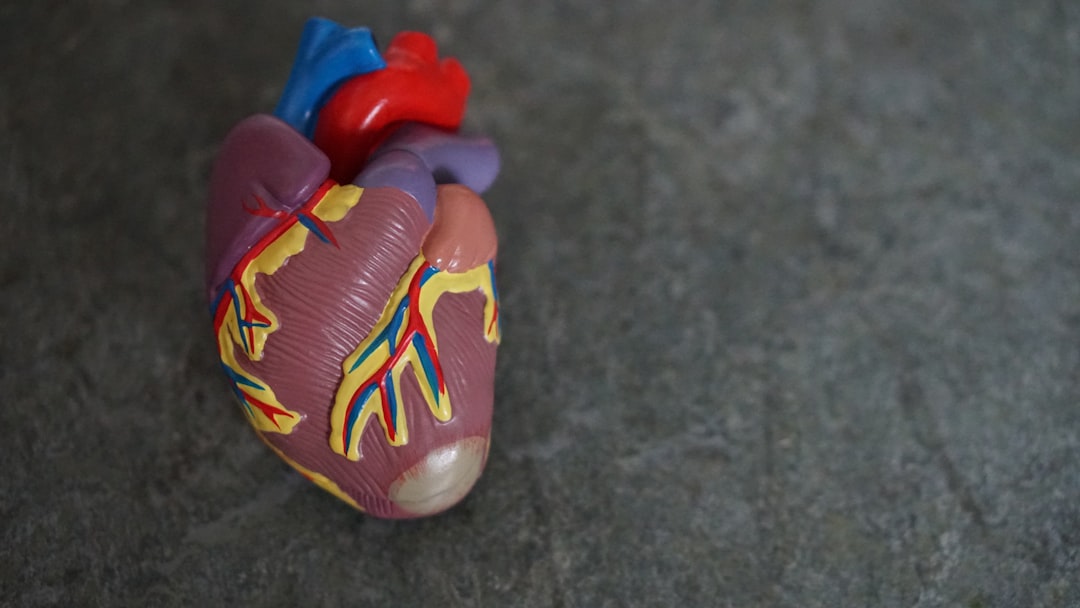
The new soft robotic heart represents a paradigm shift in how we might approach valve replacement and cardiac research. Engineered with highly flexible materials and sophisticated actuation systems, this device is designed to move and function much like a living organ. The core breakthrough lies in its ability to accurately mimic the complex, non-linear movements of human valves. This is a critical distinction from traditional rigid mechanical designs.
“By replicating the natural valve movements, researchers can gain unprecedented insights into cardiac function and disease progression, paving the way for more effective treatments.”
How Soft Robotics Enhances Mimicry
Soft robotics leverages compliant materials and innovative control mechanisms to achieve movements that are fluid and adaptable, much like biological tissues. Instead of rigid joints and motors, soft robots often employ pneumatic or hydraulic actuation, allowing for subtle deformations and complex, multi-directional motion. In the context of a heart valve, this means:
- Flexible Leaflet Motion: The robotic valves can open and close with a natural curvature and responsiveness, avoiding the abrupt, less physiological movements of some current prosthetics.
- Reduced Turbulence: By replicating physiological flow dynamics, the soft robotic design can minimize blood turbulence, potentially reducing the risk of clot formation and blood cell damage.
- Adaptive Functionality: The inherent flexibility of the materials could allow for better integration with surrounding cardiac tissue and a more compliant response to varying physiological pressures.
Potential Impact on Cardiac Research and Therapy
The implications of this soft robotic heart are far-reaching, extending beyond just improved valve replacement:
Advanced Testing Platform
Firstly, it serves as an unparalleled research tool. Scientists can use this realistic model to:
- Study Valve Disease: Investigate the progression of conditions like stenosis (narrowing) or regurgitation (leaking) in a highly controlled, lifelike environment.
- Test New Therapies: Evaluate the efficacy of novel drug treatments or surgical techniques on a functionally accurate heart model before human trials.
- Design Better Devices: Refine the design of future prosthetic valves or other cardiac assist devices, optimizing them for physiological compatibility and durability.
Future of Valve Replacement
While still in early stages, the ultimate vision could involve implantable soft robotic valves that overcome the limitations of current prosthetics. Such valves could offer:
- Improved Durability: Potentially longer lifespans than biological valves, reducing the need for repeat surgeries.
- Reduced Complications: By promoting more natural blood flow, the risk of blood clots and the need for anticoagulants could be significantly diminished compared to mechanical valves.
- Enhanced Quality of Life: Patients could experience better cardiac function and fewer side effects, leading to a higher quality of life.
The Road Ahead
This innovation marks a significant stride, but the journey from laboratory breakthrough to widespread clinical application is often long and arduous. Future research will undoubtedly focus on:
- Material Science: Developing biocompatible, durable materials that can withstand the constant stress within the body for decades.
- Long-Term Performance: Rigorous testing to ensure the robotic valves maintain their function and integrity over extended periods.
- Biocompatibility and Safety: Ensuring the materials do not elicit adverse immune responses or other harmful effects within a living system.
- Scalability and Manufacturing: Developing methods for mass-producing these complex devices reliably and cost-effectively.
Despite these challenges, the development of a soft robotic heart that accurately mimics human valve movements represents a compelling testament to human ingenuity. It holds the promise of fundamentally changing how we understand, treat, and ultimately, overcome heart valve disease, bringing us closer to a future where cardiac health is optimized through biomimetic engineering.
Explore more in our Digital Health coverage.
🔬 Scientific Takeaway
A new soft robotic heart has been developed that precisely replicates the complex, dynamic movements of human heart valves. This innovation offers a powerful new platform for studying heart valve diseases, testing novel therapies, and designing more physiologically accurate prosthetic valves. While early-stage, it holds significant potential for improving long-term patient outcomes by addressing the limitations of current artificial valve technologies.
Sources & References
Photo by Robina Weermeijer on Unsplash.
Medical Disclaimer: This article is AI-assisted and reviewed by the Vitalheros editorial team. It is provided for informational purposes only and is not a substitute for professional medical advice, diagnosis, or treatment. Always consult a qualified healthcare provider. Reviewed by The Vitalheros Editorial Team.