Unlocking Male Reproductive Longevity: The Role of FOXO1
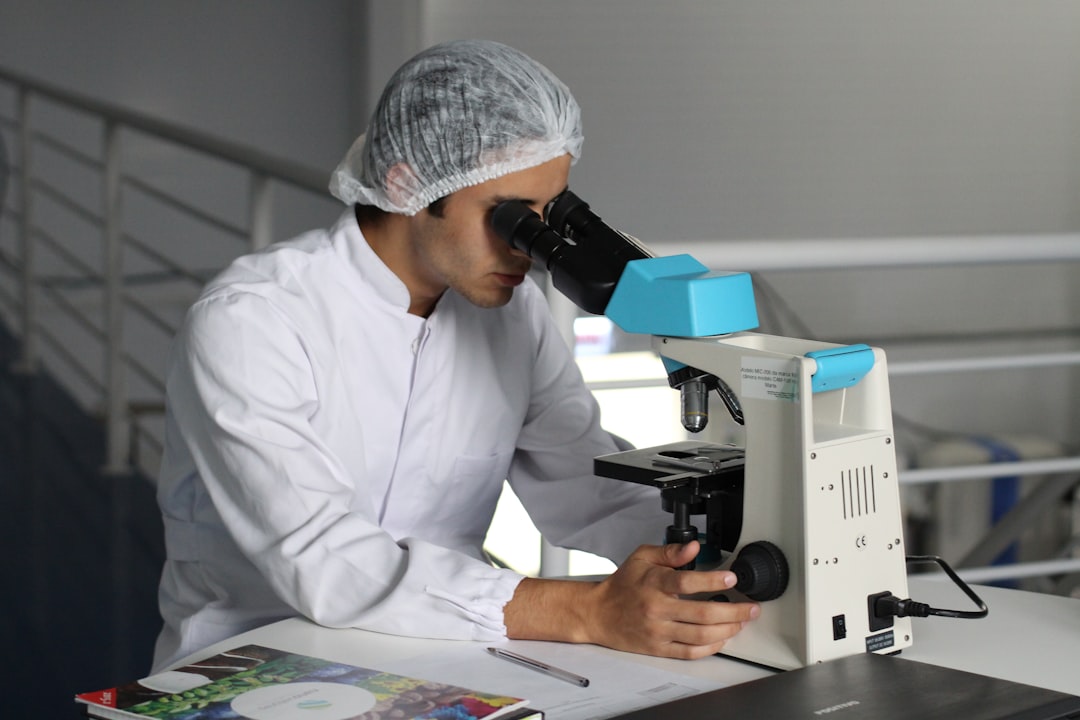
Some links in this article are affiliate links. As an Amazon Associate and partner of other programs, Vitalheros may earn a commission from qualifying purchases, at no extra cost to you. This never influences our editorial coverage.
While much of the conversation around reproductive longevity often centers on female health, the male reproductive system also undergoes significant changes with age. Though often more resilient over time, declining fertility and function are an inevitable part of the aging process for men. A recent study sheds new light on a critical, yet often overlooked, component of male fertility: the epididymis. This research identifies a specific molecular pathway that appears to drive epididymal aging, opening doors for potential interventions to preserve male reproductive health.
The Epididymis: A Vital Yet Overlooked Player
The testes are well-known for producing sperm, but the journey of these cells doesn’t end there. After production, immature sperm travel to the epididymis, a coiled tube located at the back of each testicle. Here, sperm undergo a crucial maturation process, gaining motility and the ability to fertilize an egg. Without a healthy epididymis, even perfectly formed sperm from the testes would be largely ineffective.
Despite its critical role, the precise mechanisms by which the epididymis ages and contributes to declining male fertility have remained relatively underexplored. While observations of age-related degeneration in this tissue are common, a detailed understanding at the cellular and biochemical level has been largely absent. This knowledge gap has made it challenging to develop targeted strategies for maintaining male reproductive function into later life.
Unraveling the Mechanisms of Aging
To address this, researchers embarked on a comprehensive study using non-human primates, an animal model whose reproductive physiology closely mirrors that of humans. Their approach was multi-faceted, combining:
- Histology: Examining tissue structure and cellular changes under a microscope.
- Transcriptomics: Analyzing gene expression patterns to understand which genes are turned on or off with age.
- Single-nucleus transcriptomics: A refined technique allowing for gene expression analysis in individual cells, providing unprecedented detail.
Through this meticulous analysis, the team was able to delineate a clear ‘epididymal aging phenotype.’ This encompasses a range of detrimental changes, including epithelial senescence (aging of the lining cells), chronic inflammation, and fibrosis (scarring of tissue). Importantly, these changes collectively contribute to a functional decline in the epididymis, impacting sperm maturation.
Principal Cells: The Core of the Problem
A key finding from the single-nucleus transcriptomics was the identification of principal cells as the predominant and most transcriptionally perturbed epithelial cell type within the aging epididymis. These cells are central to the epididymis’s function, playing a vital role in creating the optimal environment for sperm maturation. Their age-related dysfunction, therefore, has significant implications for overall fertility.
FOXO1: A Key Longevity Factor in Reproductive Health
Digging deeper into the principal cells, the researchers uncovered a critical molecular culprit: a marked downregulation of the longevity-associated transcription factor FOXO1 with age. FOXO1 is a protein known to play diverse roles in cellular processes, including metabolism, stress resistance, and cell survival. Its diminished presence in the aging epididymis pointed to a potential driving force behind the observed decline.
To confirm FOXO1’s role, functional studies were conducted using human epididymal epithelial cells. These experiments demonstrated a clear causal link: a deficiency in FOXO1 expression directly drives cellular senescence. Cellular senescence, often referred to as ‘zombie cells,’ occurs when cells stop dividing but remain metabolically active, secreting inflammatory molecules that damage surrounding healthy tissue. This aligns perfectly with the chronic inflammation and fibrosis observed in the aging epididymis.
The FOXO1-LHX1 Axis: A Protective Pathway
The study went further to uncover the precise mechanism by which FOXO1 exerts its protective effects. It was found that FOXO1 transcriptionally activates another gene, LHX1. This FOXO1-LHX1 axis appears to be essential for counteracting cellular senescence in epididymal cells. When FOXO1 is downregulated with age, the activation of LHX1 is compromised, leading to an unchecked accumulation of senescent cells and subsequent tissue damage.
Paving the Way for Interventions
Perhaps the most exciting aspect of this research lies in its exploration of potential therapeutic strategies. The team investigated interventions aimed at mitigating epididymal aging phenotypes:
- Senescence-Resistant Mesenchymal Progenitor Cells: These are a type of stem cell known for their regenerative and anti-inflammatory properties.
- Exosomes from These Cells: Exosomes are tiny vesicles released by cells that contain various biomolecules, including proteins and RNA, which can influence recipient cells.
Both of these interventions were found to be effective, both in vivo (in living organisms) and in vitro (in cell cultures). They successfully mitigated the detrimental aging phenotypes in the epididymis and, crucially, helped to restore FOXO1 expression. This suggests that targeting the FOXO1-LHX1 axis or clearing senescent cells could be viable strategies to maintain epididymal health and, by extension, male fertility.
Implications and Future Directions
This groundbreaking study provides a coherent and detailed understanding of primate epididymal aging, identifying the FOXO1-LHX1 axis as a central protective pathway. It moves beyond simply observing age-related decline to pinpointing specific molecular drivers and offering mechanistic insights. For the field of geroscience and reproductive health, these findings are significant:
- They highlight the epididymis as a crucial, targetable site for interventions aimed at male reproductive longevity.
- They underscore the broad importance of FOXO1, a known longevity factor, in yet another vital physiological system.
- They offer promising avenues for developing novel therapies, such as cell-based treatments or exosome-based approaches, to counteract age-related male infertility.
While these findings are highly encouraging, it is important to remember that this research was conducted primarily in non-human primates and human cell lines. Further studies will be necessary to translate these insights into safe and effective treatments for human male reproductive aging. Nevertheless, this work represents a significant step forward in our understanding and potential ability to preserve male reproductive health across the lifespan.
Explore more in our Longevity & Biohacking coverage.
🔬 Scientific Takeaway
New research in non-human primates reveals that reduced expression of the longevity-associated transcription factor FOXO1 in epididymal principal cells drives male reproductive aging. This downregulation leads to cellular senescence, chronic inflammation, and fibrosis, compromising sperm maturation. Interventions using senescence-resistant cells or their exosomes show promise in mitigating these effects and restoring FOXO1 expression, offering potential therapeutic targets for preserving male fertility.
Sources & References
Photo by Lucas Vasques on Unsplash.
Medical Disclaimer: This article is AI-assisted and reviewed by the Vitalheros editorial team. It is provided for informational purposes only and is not a substitute for professional medical advice, diagnosis, or treatment. Always consult a qualified healthcare provider. Reviewed by The Vitalheros Editorial Team.