Gene Therapy for Longevity: The Unseen Hurdles of Delivery

Some links in this article are affiliate links. As an Amazon Associate and partner of other programs, Vitalheros may earn a commission from qualifying purchases, at no extra cost to you. This never influences our editorial coverage.
Imagine a future where a simple intervention could recalibrate our genes, pushing back the hands of time and extending our years of vibrant health. This is the tantalizing promise of gene therapy in the realm of longevity. Scientists have identified thousands of genes linked to extended lifespan and improved health in various models, fueling optimism that we might one day directly address the molecular roots of aging.
However, the journey from laboratory discovery to widespread clinical application is often fraught with complex challenges. While the fundamental capability to alter cellular behavior for the better exists – indeed, it’s relatively straightforward to achieve in a petri dish – translating this into a safe and effective treatment for the human body presents a formidable hurdle. The most significant bottleneck isn’t a lack of promising genetic targets, but rather a fundamental ‘delivery problem’.
The Promise of Genetic Modulation for Healthy Aging
Our bodies are intricate orchestrations of genetic instructions, with genes producing proteins at a pace influenced by epigenetic control over our DNA structure. As we age, this epigenetic control subtly shifts, leading to changes in protein production. Some of these altered proteins contribute to the degenerative processes we associate with aging. By understanding these mechanisms, researchers aim to intervene directly at the genetic level to counteract age-related decline.
Gene therapy offers a powerful approach: transferring genetic material into target cells to either augment the expression of beneficial genes, suppress harmful ones, or precisely edit problematic sequences. The goal is to restore youthful cellular function and extend healthspan – the period of life spent in good health. Over the years, a vast catalog of potential genetic targets, from those involved in cellular repair to metabolic regulation, has emerged from scientific inquiry.
The Unseen Hurdle: Delivering the Genetic Message
Despite the profound potential, the widespread application of gene therapies, particularly for conditions like aging that affect multiple systems, has been slow to materialize. The core issue lies in getting the therapeutic genetic material safely and effectively to the right cells, in the right quantity, and for the right duration, without causing unintended side effects.
Targeting Specific Tissues vs. Systemic Reach
Current gene therapy successes often involve highly localized delivery or targeting specific cell types that act as ‘factories’ for systemic effects. For instance:
- Localized Treatments: In cases of severe, life-threatening diseases, direct injection into a specific organ or tissue is sometimes feasible, though generally avoided for less severe conditions due to its invasive nature.
- Circulating Proteins: A more common approach is to engineer a small number of easily accessible cells, such as certain fat cells, to produce a beneficial signaling protein (like Klotho or Follistatin) that then circulates throughout the body. This bypasses the need for widespread, direct delivery to every target cell.
- Specific Pathways: Intranasal delivery of gene therapy vectors, for example, can be effective in reaching certain parts of the brain, offering a targeted solution for neurological conditions.
However, many longevity-related genes are expressed intracellularly and across numerous tissues throughout the body. Achieving broad, systemic distribution with precision remains an immense challenge.
The Challenge of Intravenous Delivery
The ideal scenario for a systemic condition like aging would be a single intravenous (IV) injection that distributes the therapeutic genes throughout the body. Unfortunately, this is where the most significant obstacles arise:
- Liver Overload and Immune Response: High doses of gene therapy vectors delivered intravenously can overwhelm the liver, which acts as a filter for circulating substances. This can lead to toxicity or trigger an unacceptable immune reaction, rendering the therapy ineffective or harmful.
- Insufficient Target Expression: Even if a vector circulates, ensuring sufficient and sustained expression in the intended target organs without causing issues in non-target tissues is extremely difficult with current technologies.
- Safety Concerns: Systemic injection of high-dose gene therapy vectors has, in some cases, led to severe adverse events, including patient deaths. This has understandably limited its use to only the most severe, life-threatening diseases where the potential benefits outweigh substantial risks.
The vision of a single IV treatment that reliably and selectively alters gene expression throughout the body for longevity remains, for now, a ‘pipe dream’ given the limitations of established gene therapy vectors.
Epigenetic Reprogramming: A Different Angle, Same Challenge
Partial epigenetic reprogramming, an emerging field, aims to rejuvenate cells by resetting their epigenetic ‘clocks’ rather than targeting individual genes. This approach holds immense promise for bypassing the complexity of modulating countless specific genes. However, even this sophisticated strategy confronts the same fundamental delivery issues. Additionally, it introduces new complexities regarding the optimal dosage and duration of reprogramming needed for different tissues, which may vary widely across the body.
The Intricacies of Gene Delivery Vectors
Gene delivery vectors are the vehicles that transport the genetic payload into cells. These can be broadly categorized into physical methods, chemical methods, and virus-based methods. Each vector is a complex optimization problem, balancing multiple critical factors:
- Efficient Delivery: Reaching the target cells effectively.
- Immune Evasion: Avoiding detection and destruction by the host’s immune system.
- Packaging Capacity: The amount of genetic material the vector can carry.
- Controlled Expression: Ensuring the gene is expressed at the right level and for the appropriate duration.
- Reversibility and Stability: The ability to turn off expression if needed, and stable expression over time.
- Redosability: The possibility of administering multiple doses without adverse reactions.
- Cost-Effectiveness: Practicality for widespread use.
For longevity therapies specifically, additional requirements include a broad distribution profile, very long-acting and stable expression (given the long timeframes involved), and exceptionally high safety standards, as these interventions would be intended for individuals without overt disease.
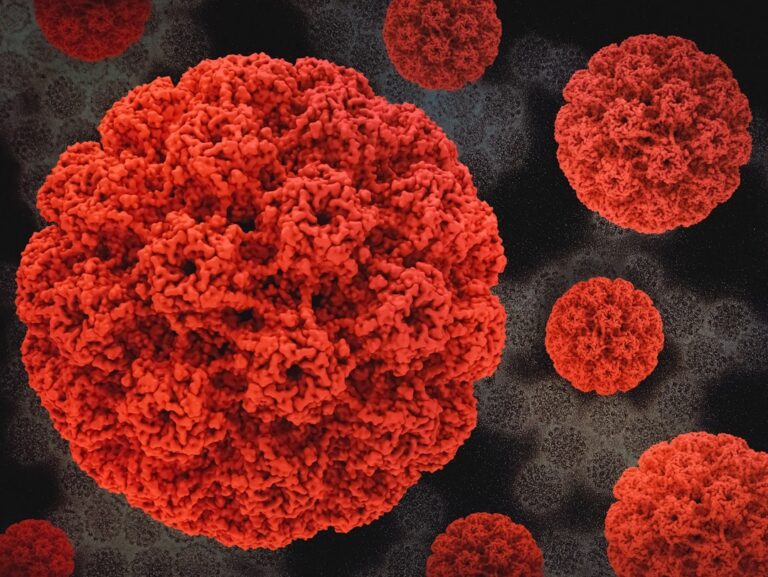
Among current options, Adeno-Associated Virus (AAV)-mediated gene therapy is considered the most suitable platform due to its relatively good safety profile and ability to infect various cell types. However, AAV still faces significant technical challenges, particularly in achieving whole-body delivery and overcoming biomechanical limitations.
Where the Field Stands Today
The scientific community is keenly aware of these delivery challenges. Research and development efforts are intensely focused on engineering new, more sophisticated vectors that can overcome these hurdles. For now, the field of longevity gene therapy is concentrating on a select few genes, approaches, and tissues where existing delivery capabilities offer a viable path forward.
While the technological capability to positively influence the behavior of aging cells is firmly established in the lab, translating this into safe, effective, and broadly applicable treatments for patients remains the frontier of innovation. Significant advancements in vector design, immune modulation, and targeted delivery will be essential to unlock the full potential of gene therapy for extending human healthspan.
Explore more in our Longevity & Biohacking coverage.
🔬 Scientific Takeaway
Gene therapy holds significant promise for extending human healthspan by targeting genes associated with aging. However, the primary obstacle to widespread clinical application is the challenge of safely and effectively delivering therapeutic genetic material to multiple or all tissues in the body. Current delivery methods are largely limited to localized treatments or engineering specific cells to produce circulating beneficial proteins, highlighting the critical need for advanced vector technologies.
Sources & References
Photo by Sangharsh Lohakare on Unsplash.
Medical Disclaimer: This article is AI-assisted and reviewed by the Vitalheros editorial team. It is provided for informational purposes only and is not a substitute for professional medical advice, diagnosis, or treatment. Always consult a qualified healthcare provider. Reviewed by The Vitalheros Editorial Team.