Rejuvenating Stem Cells: A New Frontier in Age-Related Therapies
Some links in this article are affiliate links. As an Amazon Associate and partner of other programs, Vitalheros may earn a commission from qualifying purchases, at no extra cost to you. This never influences our editorial coverage.
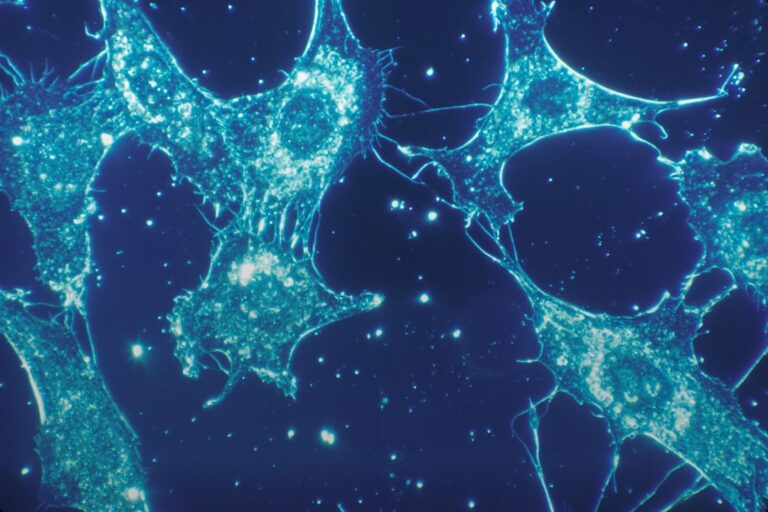
Aging is an intricate biological process marked by a gradual decline in the body’s regenerative capacity. At the heart of this decline lies the diminished function of our stem cells – the body’s intrinsic repair crew. These remarkable cells are responsible for replenishing tissues, repairing damage, and maintaining overall health throughout our lives. However, with advancing age, stem cells themselves age, losing their vigor, becoming less efficient, and accumulating damage, which contributes significantly to the development of age-related conditions.
For decades, scientists have explored stem cell therapies to combat degenerative diseases. The conventional approach often involves transplanting stem cells, but a critical challenge has emerged: the performance of these cells, especially when sourced from older individuals, can be suboptimal. Recent advancements in geroscience are shifting focus towards an even more ambitious goal: rejuvenating these aged stem cells before they are used therapeutically. This innovative strategy seeks to restore their youthful properties, thereby enhancing their regenerative potential and offering a more potent weapon against the ravages of time.
The Promise of Stem Cell Rejuvenation for Longevity
Our bodies are in a constant state of renewal, with stem cells acting as the primary agents of this biological upkeep. From repairing muscle tears to replacing worn-out skin cells, their activity is fundamental to tissue homeostasis and overall vitality. As we age, however, several factors contribute to their decline:
- Reduced Proliferation: Aged stem cells divide less frequently, slowing down the repair process.
- Impaired Differentiation: Their ability to specialize into various cell types diminishes, impacting tissue specificity.
- Increased Senescence: A growing number of stem cells enter a state of ‘senescence,’ where they stop dividing but remain metabolically active, secreting inflammatory molecules (known as the Senescence-Associated Secretory Phenotype, or SASP) that can harm surrounding healthy cells and tissue function.
The core objective of stem cell rejuvenation is to counter these age-related changes. By restoring the regenerative capabilities of older stem cells, researchers aim to improve tissue repair, reduce inflammation, and potentially extend healthspan – the period of life spent in good health.
Strategies to Revitalize Aging Stem Cells
While the idea of fully reversing cellular age through complex methods like partial epigenetic reprogramming is a fascinating area of research, it remains largely in its foundational stages for broad clinical application due to its technical demands. Instead, researchers are actively exploring more immediately feasible and established methods to enhance stem cell function. These strategies often focus on modifying the cells’ environment or selectively removing detrimental elements.
Preconditioning: Preparing Cells for Renewal
Preconditioning involves treating stem cells with specific environmental or chemical cues before they are used in therapy. The goal is to ‘prime’ them, making them more robust and effective once introduced into the body. This can significantly boost their regenerative properties.
- Hypoxic Culture: Growing stem cells in low-oxygen environments can mimic conditions found in certain tissues, promoting their survival and potency.
- Growth Factor Priming: Exposing cells to specific growth factors can stimulate their proliferation and guide their differentiation pathways.
- Youth-Mimicking Matrices: Expanding stem cells on materials that replicate the extracellular environment of younger tissues, such as decellularized extracellular matrix, can encourage them to behave more like youthful cells, enhancing their self-renewal capacity and differentiation potential.
These techniques aim to make mesenchymal stem cells (MSCs) and other stem cell types more resilient and effective for therapeutic applications.
Senolytics: Clearing the Path for Healthy Cells
Senescent cells are a major contributor to age-related tissue dysfunction. They are often referred to as ‘zombie cells’ because they don’t die but instead release harmful SASP factors that promote inflammation and damage neighboring healthy cells, including stem cells. Senolytic drugs offer a targeted approach to address this problem.
Senolytics are compounds that selectively induce the death of senescent cells, thereby reducing the burden of these detrimental cells in tissues and restoring a healthier microenvironment.
Several compounds have been identified as senolytics, including natural flavonoids and existing drugs. Examples include:
- Quercetin: A plant flavonoid found in many fruits and vegetables.
- Fisetin: Another flavonoid, found in strawberries, apples, and onions.
- Dasatinib: A prescription cancer drug.
Research has shown promising results. For instance, studies indicate that quercetin can effectively remove senescent MSCs, which in turn enhances their ability to proliferate and differentiate into bone-forming cells (osteogenesis) while inhibiting their tendency to form fat cells (adipogenesis). This selective clearance creates a more conducive environment for the remaining healthy stem cells to thrive and perform their regenerative functions.
Beyond direct senolytics, mesenchymal stem cell (MSC) exosomes – tiny vesicles released by MSCs – also show promise. These exosomes possess immunomodulatory, antioxidant, and reparative properties that can positively influence senescent cells, potentially mitigating their harmful effects.
Engineered Niches and Biomaterials: Creating a Youthful Environment
The ‘niche’ is the microenvironment surrounding stem cells, providing critical signals that dictate their behavior. In aging tissues, this niche often becomes compromised, further contributing to stem cell dysfunction. Engineered niches and advanced biomaterials aim to recreate a supportive, youthful environment for stem cells, both in culture and after transplantation.
- Scaffolds and Hydrogels: These biocompatible materials can be designed to mimic the physical and chemical properties of a young extracellular matrix. They provide structural support and deliver biochemical cues that help maintain stem cell viability, proliferation, and differentiation potential.
- Decellularized Matrices: These are natural tissues from which all cellular material has been removed, leaving behind the intricate architecture and biochemical composition of the original extracellular matrix. They can serve as highly effective ‘youth-mimicking’ scaffolds.
For example, research involving MSC-loaded chitosan hydrogels, combined with MSC exosomes, demonstrated significant rejuvenation effects in older mice. This treatment enhanced fibroblast function, leading to increased proliferation and collagen formation in the skin, while simultaneously reducing matrix metalloproteinases (enzymes that degrade the extracellular matrix) and SASP factors. Such approaches highlight the potential of combining engineered environments with cell-based therapies to promote tissue repair and rejuvenation.
Furthermore, biomaterial carriers can enhance the survival of transplanted cells by providing essential signals, such as adhesion ligands, sequestered growth factors, and appropriate mechanical stiffness. This leads to better engraftment of the transplanted stem cells and improved regenerative efficiency in the target tissues.
The Road Ahead: Challenges and Potential
While these strategies offer exciting avenues for combating age-related decline, it’s crucial to remember that this field is still evolving. Translating these promising laboratory findings into safe, effective, and widely available human therapies requires rigorous research, extensive clinical trials, and careful regulatory oversight.
The complexity of aging and the intricate interplay of various cellular pathways mean there is no single ‘magic bullet.’ However, the multi-pronged approach of enhancing stem cell function through preconditioning, clearing senescent cells with senolytics, and providing supportive engineered niches represents a significant step forward. These interventions hold the potential to not only treat existing age-related diseases but also to proactively extend the period of healthy living, fundamentally reshaping our approach to longevity.
Explore more in our Longevity & Biohacking coverage.
🔬 Scientific Takeaway
Advancements in geroscience are focusing on rejuvenating aged stem cells before therapeutic use. Strategies include preconditioning techniques like hypoxic culture and growth factor priming, using senolytic drugs (e.g., quercetin) to selectively remove harmful senescent cells, and creating supportive engineered niches with biomaterials to mimic youthful environments. These approaches aim to restore stem cell regenerative capabilities, improve tissue function, and combat age-related decline, though further research and clinical trials are essential.
Sources & References
Photo by Louis Reed on Unsplash.
Medical Disclaimer: This article is AI-assisted and reviewed by the Vitalheros editorial team. It is provided for informational purposes only and is not a substitute for professional medical advice, diagnosis, or treatment. Always consult a qualified healthcare provider. Reviewed by The Vitalheros Editorial Team.