Early Stress Drinking: How Alcohol May Rewire the Young Brain

Some links in this article are affiliate links. As an Amazon Associate and partner of other programs, Vitalheros may earn a commission from qualifying purchases, at no extra cost to you. This never influences our editorial coverage.
The Deceptive Comfort: Alcohol and Stress in Youth
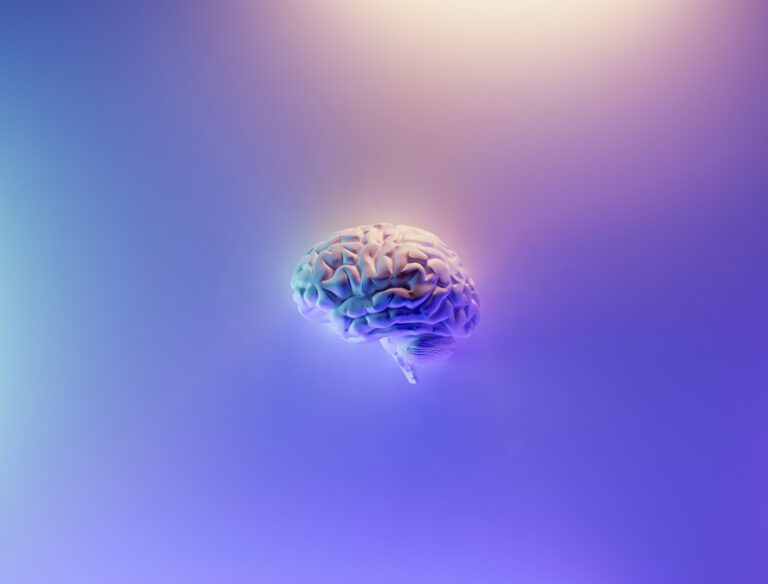
In the face of life’s mounting pressures, turning to a quick fix can be tempting. For many young people grappling with stress, alcohol can appear to offer a temporary reprieve. However, emerging scientific understanding suggests that this coping mechanism, particularly during formative years, may carry profound and lasting consequences for brain health and future well-being. Far from a harmless escape, using alcohol to manage stress when young may fundamentally alter the brain, making it less resilient and potentially paving the way for long-term cognitive challenges.
This isn’t merely about the immediate risks of alcohol consumption; it delves into how the brain adapts and learns, and how alcohol can hijack these processes during critical developmental stages. The implications extend beyond the period of active use, suggesting that the brain’s
Explore more in our Nutrition & Performance coverage.
🔬 Scientific Takeaway
Emerging research suggests that relying on alcohol to cope with stress during adolescence and young adulthood can induce permanent changes in brain pathways. These alterations may hinder an individual's capacity to adapt to future stressors, increase the likelihood of returning to alcohol use, and are associated with long-term cognitive health concerns, persisting even after cessation.
Sources & References
Photo by Christian Erfurt on Unsplash.
Medical Disclaimer: This article is AI-assisted and reviewed by the Vitalheros editorial team. It is provided for informational purposes only and is not a substitute for professional medical advice, diagnosis, or treatment. Always consult a qualified healthcare provider. Reviewed by The Vitalheros Editorial Team.