Uncovering a Novel Bacterial Strategy for Surviving Antibiotic Stress
Some links in this article are affiliate links. As an Amazon Associate and partner of other programs, Vitalheros may earn a commission from qualifying purchases, at no extra cost to you. This never influences our editorial coverage.
The persistent challenge of antibiotic resistance looms large over global health, threatening to undermine decades of medical progress. As bacteria continually evolve new ways to evade our most potent drugs, scientists are in a relentless race to understand their survival tactics. A recent discovery has shed light on an unexpected bacterial strategy for enduring antibiotic stress, revealing a previously unappreciated layer of microbial resilience.
This groundbreaking insight offers a fresh perspective on how bacteria navigate hostile, drug-laden environments, potentially opening new avenues for developing innovative therapies. Understanding these intricate survival mechanisms is paramount if we are to stay ahead in the ongoing battle against infectious diseases.
The Shadow of Antibiotic Resistance
Antibiotic resistance is not merely a scientific curiosity; it’s a pressing public health crisis. Each year, drug-resistant infections claim countless lives and impose a significant economic burden worldwide. The World Health Organization (WHO) has identified it as one of the top ten global health threats facing humanity. The more we use antibiotics, the more pressure we place on bacteria to adapt, leading to the selection and proliferation of resistant strains.
Traditionally, bacterial survival against antibiotics has been understood through several key mechanisms:
- Genetic Mutations: Changes in a bacterium’s DNA can alter drug targets, reduce drug uptake, or enable the production of enzymes that neutralize antibiotics.
- Horizontal Gene Transfer: Bacteria can share resistance genes with each other, even across different species, accelerating the spread of resistance.
- Efflux Pumps: Specialized proteins actively pump antibiotic molecules out of the bacterial cell, preventing them from reaching their effective concentration.
- Persister Cells: A small subpopulation of bacteria can enter a dormant, slow-growing state, making them temporarily tolerant to antibiotics, only to revive once the drug is gone.
While these mechanisms are well-documented, the recent discovery suggests that bacteria possess an even broader repertoire of survival strategies than previously recognized.
An Unseen Tactic Emerges
The new research highlights a distinct survival tactic that allows bacteria to withstand antibiotic exposure without necessarily relying on traditional genetic resistance or the dormant state of persister cells. This newly identified mechanism suggests bacteria can actively reconfigure their cellular processes or shift their physiological state in response to antibiotic presence, allowing them to endure the stress rather than succumbing.
This dynamic, adaptive response was not previously fully appreciated, challenging our understanding of bacterial resilience.
Imagine a bacterium encountering an antibiotic. Instead of simply dying, mutating, or going dormant, it might initiate a rapid, internal reprogramming. This could involve altering its metabolism, adjusting its cell wall composition, or activating specific stress-response pathways in a way that provides temporary protection. This transient but effective adaptation allows a portion of the bacterial population to weather the antibiotic storm, only to resume normal function once the threat subsides.
Beyond the Usual Suspects
The significance of this discovery lies in its departure from established paradigms. While persister cells offer a form of tolerance, they are typically characterized by a drastic reduction in metabolic activity. This newly uncovered strategy appears to be a more active, dynamic response, where bacteria don’t necessarily ‘sleep’ through the challenge but rather ‘retool’ themselves to survive it. This distinction is crucial because it implies a different set of vulnerabilities that future drugs might exploit.
For years, much of the focus in antimicrobial development has been on targeting specific bacterial enzymes or structures that are essential for growth and survival. However, if bacteria can dynamically alter these targets or switch to alternative pathways under stress, our current drug design strategies may be missing a critical piece of the puzzle.
Paving the Way for New Approaches
Understanding this novel survival mechanism could offer profound insights into how drug-tolerant infections establish themselves and persist, even after seemingly effective antibiotic treatment. This knowledge may pave the way for entirely new strategies in antimicrobial therapy:
- Targeting Adaptive Pathways: Instead of solely focusing on killing bacteria, future drugs could be designed to disrupt these newly identified adaptive pathways, preventing bacteria from initiating their survival reconfiguration.
- Combination Therapies: By combining existing antibiotics with compounds that block these adaptive responses, we might enhance the efficacy of current treatments, making them more potent against a broader range of bacterial threats.
- Predicting Resistance: A deeper understanding of these adaptive shifts could allow researchers to predict which bacterial populations are more likely to develop tolerance, informing treatment decisions and infection control strategies.
- Delaying Resistance Evolution: If we can prevent bacteria from surviving initial antibiotic onslaughts through these adaptive mechanisms, we might reduce the chances of resistant mutants emerging and spreading.
This research underscores the incredible complexity and adaptability of microbial life. The more we learn about bacteria’s intricate survival strategies, the better equipped we will be to design countermeasures that are both effective and sustainable.
The Path Forward in Antimicrobial Research
While this discovery represents a significant step, it is foundational research. Further studies will be essential to fully characterize the molecular details of this unexpected bacterial strategy. Scientists will need to identify the specific genes, proteins, and biochemical pathways involved in this adaptive response. Such detailed understanding will be critical for translating these findings into viable therapeutic options.
The journey from basic scientific discovery to clinical application is often long and arduous, but each new insight into bacterial behavior brings us closer to overcoming the formidable challenge of antibiotic resistance. This latest finding reminds us that the fight against superbugs requires constant innovation, creative thinking, and a deep appreciation for the ingenuity of life at the microbial level.
As we continue to face the evolving threat of drug-resistant infections, discoveries like this provide renewed hope and direction for the future of medicine. They highlight the importance of sustained investment in fundamental research, which often yields the most unexpected and impactful breakthroughs.
Explore more in our Digital Health coverage.
🔬 Scientific Takeaway
Researchers have identified a novel bacterial survival strategy against antibiotics that goes beyond traditional genetic resistance or dormant persister cells. This unexpected mechanism involves a dynamic physiological reconfiguration, allowing bacteria to actively endure drug stress. Understanding this adaptive response offers new avenues for developing innovative antimicrobial therapies and combating the global challenge of antibiotic resistance.
Sources & References
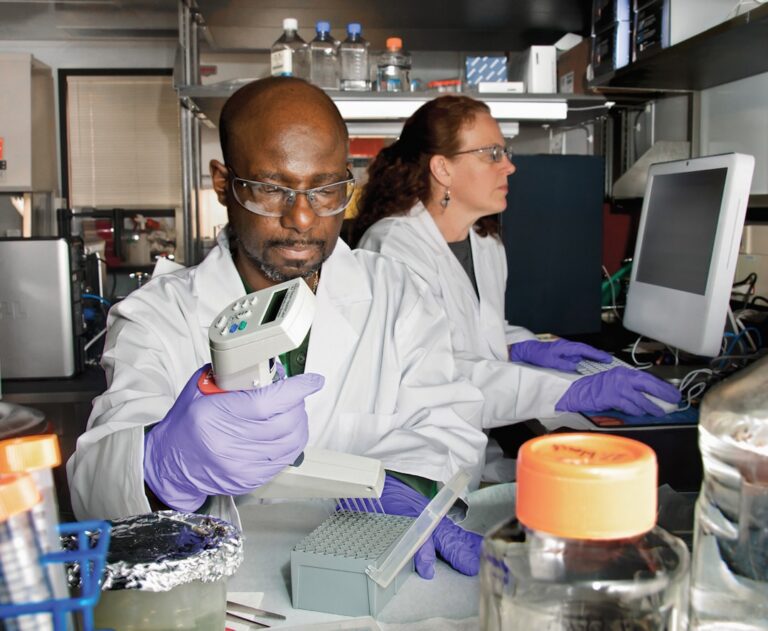
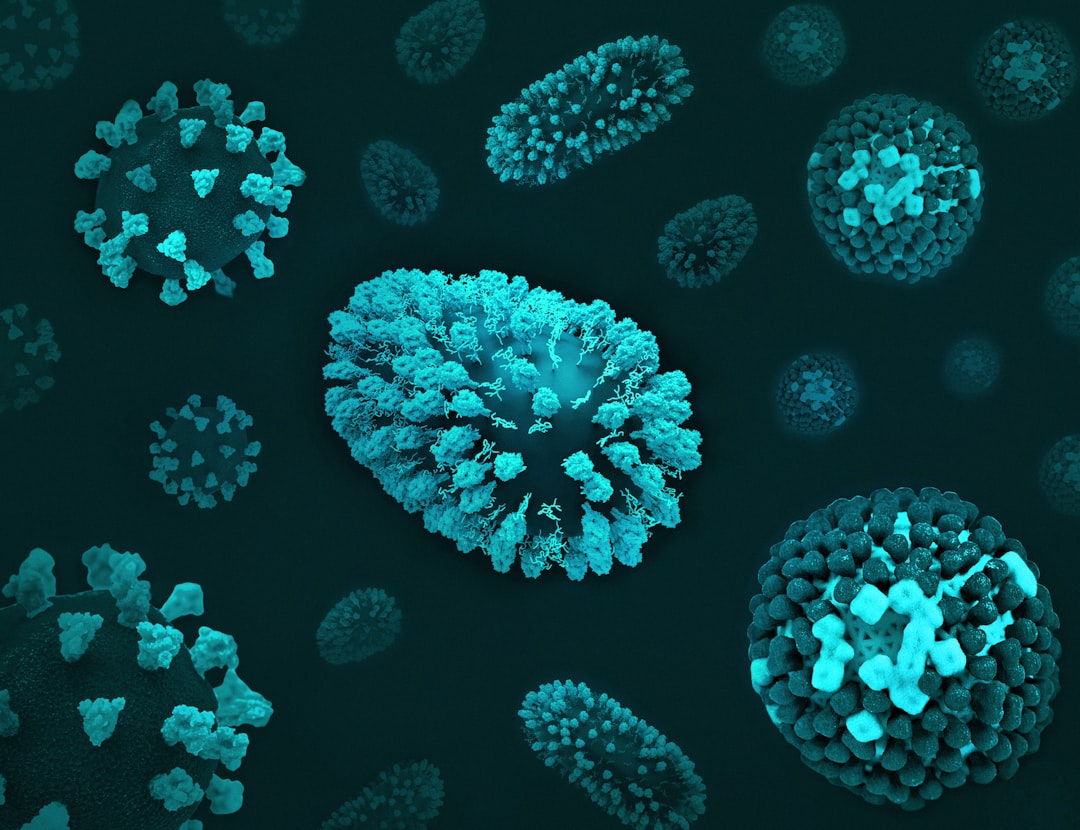
Photo by National Institute of Allergy and Infectious Diseases on Unsplash.
Medical Disclaimer: This article is AI-assisted and reviewed by the Vitalheros editorial team. It is provided for informational purposes only and is not a substitute for professional medical advice, diagnosis, or treatment. Always consult a qualified healthcare provider. Reviewed by The Vitalheros Editorial Team.