
Ancient Y Chromosome Gene UTY Retains Vital Regulatory Role in Humans
Some links in this article are affiliate links. As an Amazon Associate and partner of other programs, Vitalheros may earn a commission from qualifying purchases, at no extra cost to you. This never influences our editorial coverage.
Unveiling the Y Chromosome’s Enduring Legacy
For many, the Y chromosome is synonymous with maleness, a genetic blueprint primarily responsible for determining sex. Often perceived as a dwindling relic of our evolutionary past, its genetic content has long been thought to be largely dedicated to reproductive functions, or even slowly degrading. However, recent scientific inquiry is challenging this narrow view, revealing that some of its ancient genes hold surprisingly vital and broad-ranging regulatory roles in human biology.
One such gene, known as UTY (Ubiquitously Transcribed Tetratricopeptide Repeat Containing, Y-linked), is emerging as a key player that defies the common narrative. New research highlights that UTY, despite its ancient origins on the Y chromosome, has retained significant regulatory functions within human cells, suggesting its importance extends far beyond the confines of sex determination.
The Y Chromosome: More Than Just Sex Determination
The Y chromosome is unique among human chromosomes, primarily because it lacks a homologous partner with which to exchange genetic material during recombination, unlike other chromosomes. This has led to a perception that it is particularly susceptible to genetic decay. While it is true that the Y chromosome has lost many genes over evolutionary time, the genes that have persisted are often highly conserved and play critical roles.
The UTY gene is a prime example. Its presence on the Y chromosome points to a long evolutionary history, suggesting that its functions are so fundamental that they have been preserved across vast stretches of time and numerous species. Understanding these conserved functions provides crucial insights into the basic machinery of human cells and potentially, into sex-linked health differences.
What is UTY and Why is it Important?
UTY belongs to a family of genes that are involved in various cellular processes. While its exact mechanisms are still being fully elucidated, the term “regulatory function” is key here. In genetics, a regulatory gene is like a conductor in an orchestra, influencing the expression of other genes. This means UTY doesn’t just code for a protein with a single, isolated job; rather, it likely plays a role in orchestrating a cascade of genetic activity, turning other genes on or off, or modulating their activity levels.
Such regulatory roles are fundamental to maintaining cellular health and proper function. When a gene has a regulatory role, its influence can be widespread, impacting diverse biological pathways. This makes the discovery of UTY’s sustained regulatory activity particularly significant.
The Enduring Power of Ancient Genes
The finding that UTY retains regulatory function in humans underscores a critical concept in evolutionary biology: if a gene persists over millions of years, it’s likely performing an indispensable role. Genes that are not essential tend to accumulate mutations and eventually become non-functional or are lost entirely. The conservation of UTY’s regulatory function across species suggests it’s involved in fundamental biological processes that are vital for survival and cellular integrity.
This challenges the simplistic view of the Y chromosome as merely a collection of sex-determining genes or a genetic “wasteland.” Instead, it highlights that even ancient segments of our genome can harbor sophisticated, active elements that continue to shape our biology in profound ways.
“The persistent regulatory role of ancient Y chromosome genes like UTY reminds us that our genetic heritage is a dynamic landscape, where even the oldest elements can hold enduring and critical functions vital for human health and cellular resilience.”
Implications for Health and Longevity
The regulatory nature of UTY opens doors to understanding its potential influence on various aspects of human health. If UTY modulates the expression of other genes, it could indirectly impact a wide array of cellular processes, including:
- Cell Growth and Differentiation: Proper regulation is essential for cells to grow, divide, and specialize correctly. Dysregulation can contribute to developmental issues or uncontrolled cell proliferation.
- Immune Response: Genes involved in regulating other genes often play a role in coordinating the body’s defense mechanisms.
- Cellular Stress Response: The ability of cells to respond to stress and maintain homeostasis is crucial for preventing disease and promoting longevity.
- Disease Susceptibility: Variations or dysfunctions in regulatory genes can alter an individual’s susceptibility to certain diseases, potentially explaining some sex-linked differences in disease prevalence or severity.
While this research doesn’t immediately link UTY to specific diseases or direct longevity benefits, it lays the groundwork for future investigations. Understanding which genes UTY regulates and the pathways it influences could reveal novel therapeutic targets or diagnostic markers for conditions that show sex-biased patterns.
The Path Forward: Future Research
This discovery marks an important step in unraveling the full genetic complexity of the Y chromosome. Future research will undoubtedly focus on:
- Identifying Target Genes: Pinpointing the specific genes that UTY regulates will be crucial for understanding its functional network.
- Elucidating Mechanisms: Detailed studies will be needed to understand exactly how UTY exerts its regulatory influence at a molecular level.
- Investigating Clinical Relevance: Exploring whether variations in UTY expression or sequence are associated with specific health outcomes or disease susceptibilities in human populations.
By shedding light on the enduring regulatory power of genes like UTY, scientists are not only deepening our understanding of human evolution but also paving the way for new insights into health, disease, and the intricate genetic symphony that governs life.
Explore more in our Digital Health coverage.
🔬 Scientific Takeaway
New research indicates that the ancient Y chromosome gene UTY has retained significant regulatory functions in human cells. This finding challenges the perception of the Y chromosome as solely dedicated to sex determination or genetic decay, highlighting UTY's conserved role in orchestrating broader cellular processes essential for health and survival.
Sources & References
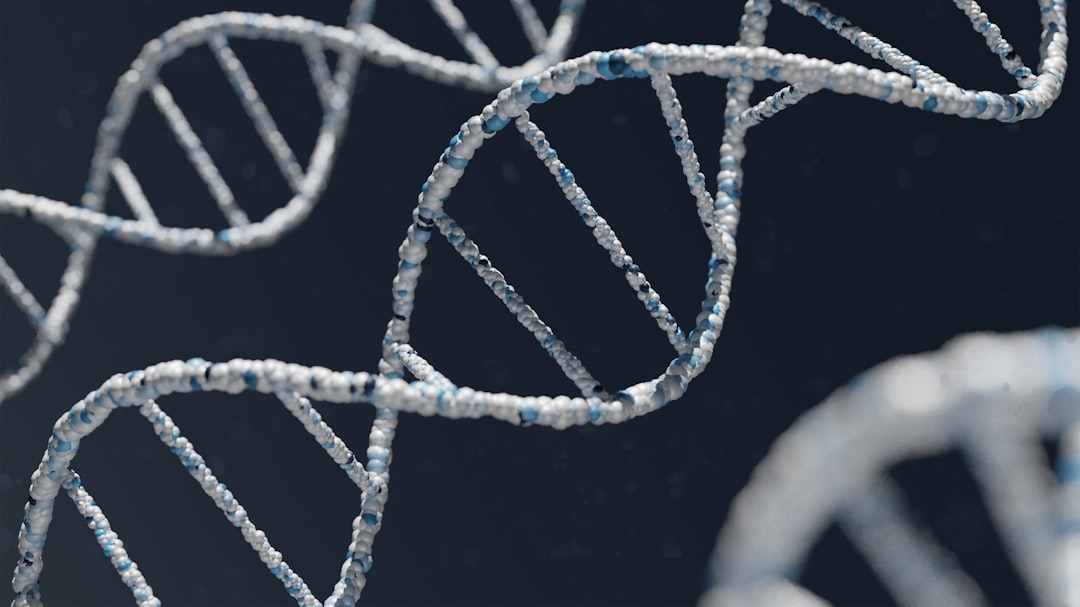
Photo by Warren Umoh on Unsplash.
Medical Disclaimer: This article is AI-assisted and reviewed by the Vitalheros editorial team. It is provided for informational purposes only and is not a substitute for professional medical advice, diagnosis, or treatment. Always consult a qualified healthcare provider. Reviewed by The Vitalheros Editorial Team.