Targeting Microglia: A Novel Approach to Clearing Amyloid-Beta in Alzheimer’s
Some links in this article are affiliate links. As an Amazon Associate and partner of other programs, Vitalheros may earn a commission from qualifying purchases, at no extra cost to you. This never influences our editorial coverage.
Alzheimer’s disease, a relentless neurodegenerative condition, continues to pose one of the greatest challenges in modern medicine. Characterized by progressive memory loss and cognitive decline, its underlying mechanisms are complex and not yet fully understood. While significant research has focused on the accumulation of amyloid-beta (Aβ) plaques in the brain, therapeutic breakthroughs have remained elusive. However, new research is shedding light on an intriguing pathway involving the brain’s own immune cells, microglia, offering a fresh perspective on tackling this devastating disease.
A recent study highlights a specific mechanism where a protein, PM20D1, and its product, N-oleoyl-leucine (OLE), appear to instruct microglia to more efficiently clear Aβ aggregates. This discovery suggests a potential new avenue for intervention, shifting focus towards enhancing the brain’s intrinsic clean-up capabilities rather than solely targeting plaque formation.
Understanding Alzheimer’s and the Amyloid Hypothesis
For decades, the ‘amyloid hypothesis’ has been a cornerstone of Alzheimer’s research. It posits that the abnormal accumulation of Aβ peptides, forming insoluble plaques between neurons, is a primary driver of the disease. These plaques are believed to disrupt synaptic function, trigger inflammation, and ultimately lead to neuronal death.
Despite considerable investment in therapies designed to reduce Aβ plaque burden, many clinical trials have yielded disappointing results. While some treatments have shown success in clearing Aβ from the brain, this has not consistently translated into significant cognitive improvement for patients. This has led many scientists to question whether Aβ accumulation is the sole or even primary cause of the disease, or if it’s one of several contributing factors within a more intricate pathological cascade. This ongoing debate underscores the critical need for diverse research approaches that explore other key players in Alzheimer’s pathology.
Microglia: The Brain’s Immune Guardians
Central to the brain’s immune defense are microglia, specialized cells that act as the primary resident macrophages of the central nervous system. These dynamic cells constantly survey their environment, clearing cellular debris, pathogens, and misfolded proteins, thereby maintaining brain homeostasis.
In the context of Alzheimer’s disease, microglia play a dual role that is still being unraveled. Initially, they are thought to be protective, migrating to Aβ plaques to engulf and clear them. However, as the disease progresses and chronic inflammation sets in, microglia can become dysfunctional, potentially contributing to neurotoxicity and exacerbating the disease rather than resolving it. Modulating microglial activity to restore their beneficial functions and mitigate their detrimental ones is emerging as a promising therapeutic strategy.
A Novel Pathway: PM20D1 and N-oleoyl-leucine
The Role of PM20D1
The new research introduces Peptidase M20 Domain Containing 1 (PM20D1) as a key player in this microglial modulation. PM20D1 is an enzyme that catalyzes the formation of N-acylamides, a class of lipid-derived signaling molecules. Intriguingly, PM20D1 has recently been associated with Alzheimer’s disease, prompting further investigation into its role in the condition.
N-oleoyl-leucine: A Microglial Modulator
The study specifically highlights N-oleoyl-leucine (OLE), a product generated by PM20D1. Researchers found that OLE acts as a signaling molecule that significantly enhances the ability of microglia to interact with and clear Aβ aggregates. This mechanism appears to ‘instruct’ microglia to become more efficient at their clean-up duties, potentially countering the dysfunction observed in Alzheimer’s.
"We show that the PM20D1-derived N-oleoyl-Leucine (OLE) improves AD pathologies in two animal models of AD. OLE induces microglia association with amyloid beta (Aβ) plaques, reduce their size, number and toxicity, and leads to enhanced neuroprotection and cognition." – Study Authors
Promising Findings in Preclinical Models
The potential of OLE as a microglial-modifying treatment was evaluated in animal models designed to mimic aspects of Alzheimer’s disease, specifically those characterized by excessive Aβ aggregate creation. The results were compelling:
- Reduced Aβ Plaque Burden: Treatment with OLE led to a notable reduction in the size and number of Aβ plaques in the brains of these animal models.
- Enhanced Neuroprotection and Cognition: Beyond simply clearing plaques, OLE treatment was associated with enhanced neuroprotection, suggesting a healthier brain environment. This also translated into improved cognitive function in the animal models, a critical outcome that many Aβ-clearing therapies have struggled to achieve.
- Direct Microglial Activation: In vitro studies using microglia cultures demonstrated that OLE directly increased Aβ chemotaxis (the directed movement of cells towards a chemical stimulus) and clearance, confirming its direct effect on microglial function.
- Increased Neuronal Viability: OLE also showed benefits for neurons themselves, enhancing their viability when subjected to stressors associated with Alzheimer’s disease. This suggests a protective effect that extends beyond just plaque clearance.
Bridging the Gap to Human Health
A crucial aspect of this research is the initial evidence suggesting that a similar PM20D1- and OLE-mediated mechanism for microglial association with amyloid plaques and neuroprotection may also be present in human Alzheimer’s brains. While this is an encouraging sign, it is important to maintain a measured perspective.
As the source itself notes, translating promising findings from animal models to effective human treatments for Alzheimer’s disease has historically been challenging. The complexities of the human brain and the multifactorial nature of Alzheimer’s mean that even mechanisms that appear highly effective in preclinical settings may not always yield the same results in human clinical trials. Past immunotherapies aimed at clearing Aβ have often fallen short of expectations, underscoring the need for rigorous and extensive further research.
The Future of Microglia-Targeted Therapies
This study adds to a growing body of evidence highlighting the critical role of microglia in Alzheimer’s disease pathology. By identifying a specific pathway involving PM20D1 and N-oleoyl-leucine that can modulate microglial activity, researchers have opened a new door for potential therapeutic development. Instead of solely focusing on preventing Aβ formation, this approach aims to empower the brain’s innate immune system to better manage and clear existing pathology.
Modulating microglia offers a promising strategy that could potentially address multiple facets of Alzheimer’s disease, from plaque clearance to neuroinflammation and neuronal survival. While N-oleoyl-leucine as a microglia-modifying treatment is still in its early stages of investigation, this research provides valuable insights and reinforces the importance of exploring diverse mechanisms in the ongoing fight against neurodegenerative diseases.
Explore more in our Longevity & Biohacking coverage.
🔬 Scientific Takeaway
Research suggests that the protein PM20D1 generates N-oleoyl-leucine, which enhances microglia's ability to clear amyloid-beta aggregates. In animal models of Alzheimer's, this mechanism improved disease pathologies, neuroprotection, and cognition. This points to N-oleoyl-leucine as a potential microglia-modifying treatment for Alzheimer's disease.
Sources & References
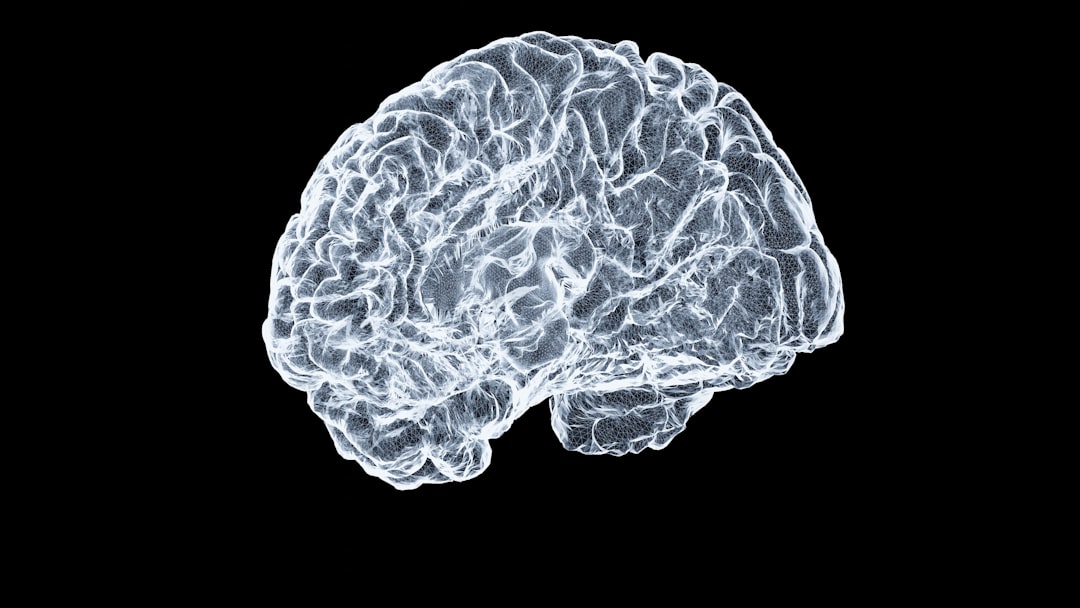
Photo by Shawn Day on Unsplash.
Medical Disclaimer: This article is AI-assisted and reviewed by the Vitalheros editorial team. It is provided for informational purposes only and is not a substitute for professional medical advice, diagnosis, or treatment. Always consult a qualified healthcare provider. Reviewed by The Vitalheros Editorial Team.