New Calculator Clarifies Statin Muscle Risk, Easing Patient Concerns

Some links in this article are affiliate links. As an Amazon Associate and partner of other programs, Vitalheros may earn a commission from qualifying purchases, at no extra cost to you. This never influences our editorial coverage.
Navigating the Statin Dilemma: Perception vs. Scientific Reality
Statins are among the most prescribed medications globally, heralded for their remarkable ability to lower cholesterol and significantly reduce the risk of heart attacks and strokes. Yet, despite their proven efficacy, a cloud of concern often surrounds their use, primarily driven by widespread fears about potential side effects, particularly muscle pain. This apprehension can lead many eligible patients to avoid or discontinue these life-saving drugs, inadvertently putting their cardiovascular health at greater risk.
Now, groundbreaking research from scientists at the University of Oxford offers a powerful new tool to cut through the noise: a calculator designed to predict an individual’s specific risk of developing serious muscle disorders from statin medications. Their analysis provides a crucial perspective, suggesting that the vast majority of people who could benefit from statins have very little to fear regarding these rare, severe complications.
Demystifying Statin-Associated Muscle Symptoms (SAMS)
The term ‘statin side effects’ often conjures images of debilitating muscle pain. While some individuals do experience mild muscle aches or weakness – collectively known as Statin-Associated Muscle Symptoms (SAMS) – it’s crucial to distinguish these from the far rarer, more serious muscle disorders like rhabdomyolysis. Rhabdomyolysis is a severe condition where muscle fibers break down, releasing harmful contents into the blood, which can lead to kidney damage. It is this serious complication that often fuels much of the public’s anxiety.
For years, the perceived risk of SAMS has been disproportionately high compared to the actual incidence of severe adverse events in clinical trials. This perception gap has created a significant challenge for healthcare providers trying to ensure patients receive optimal care. Patients, hearing anecdotal stories or misinterpreting information, may decline statin therapy even when it’s strongly recommended for their health.
The Oxford Calculator: A Personalized Risk Assessment
The new calculator developed by the Oxford scientists aims to bridge this perception gap by providing a personalized risk assessment for serious muscle disorders. This tool leverages extensive data to help both patients and clinicians understand the true likelihood of these rare complications on an individual basis. The core finding is particularly reassuring:
More than 98% of individuals who meet the criteria for statin therapy are at a low risk for developing these serious muscle complications.
This statistic underscores that for the vast majority, the benefits of statins in preventing cardiovascular events far outweigh the minimal risk of severe muscle issues. The calculator doesn’t dismiss muscle symptoms entirely, but it helps to put the *serious* risks into proper context, distinguishing between common, often manageable aches and truly dangerous conditions.
The Critical Importance of Statin Adherence
Cardiovascular disease remains a leading cause of mortality worldwide. Statins work by inhibiting an enzyme in the liver that produces cholesterol, thereby reducing LDL (
Explore more in our Nutrition & Performance coverage.
🔬 Scientific Takeaway
New research from University of Oxford scientists has led to the development of a calculator predicting individual risk of serious muscle disorders from statins. The analysis indicates that over 98% of individuals eligible for statin therapy are at low risk for these rare but severe complications. This tool aims to alleviate patient fears and improve adherence to statin medication, which is crucial for preventing heart attacks and strokes.
Sources & References
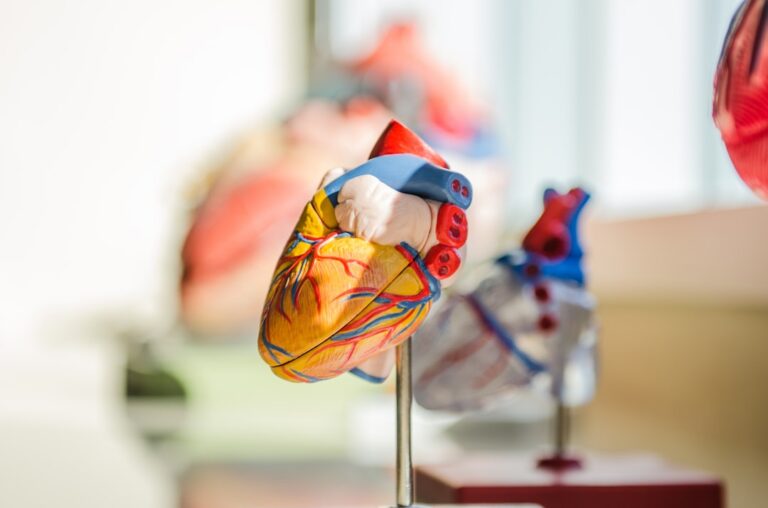
Photo by Kelly Sikkema on Unsplash.
Medical Disclaimer: This article is AI-assisted and reviewed by the Vitalheros editorial team. It is provided for informational purposes only and is not a substitute for professional medical advice, diagnosis, or treatment. Always consult a qualified healthcare provider. Reviewed by The Vitalheros Editorial Team.