Unraveling Lung Fibrosis: A Gene’s Role in Age-Related Scarring
Some links in this article are affiliate links. As an Amazon Associate and partner of other programs, Vitalheros may earn a commission from qualifying purchases, at no extra cost to you. This never influences our editorial coverage.
The Silent Scars Within: Understanding Pulmonary Fibrosis
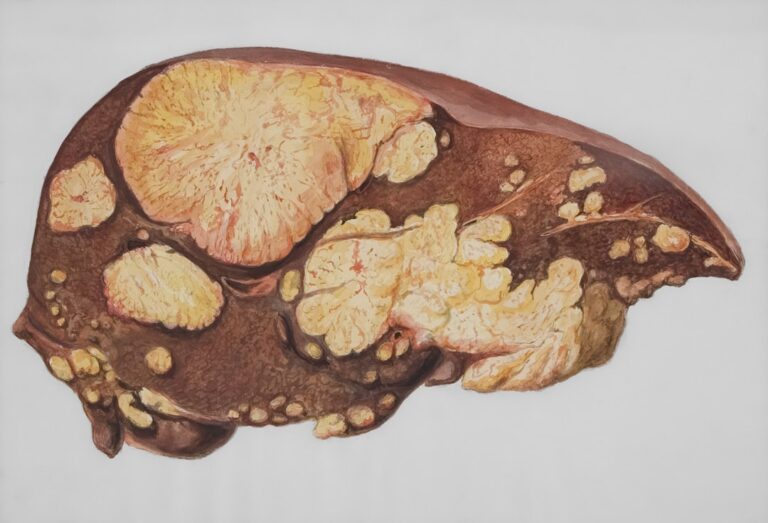
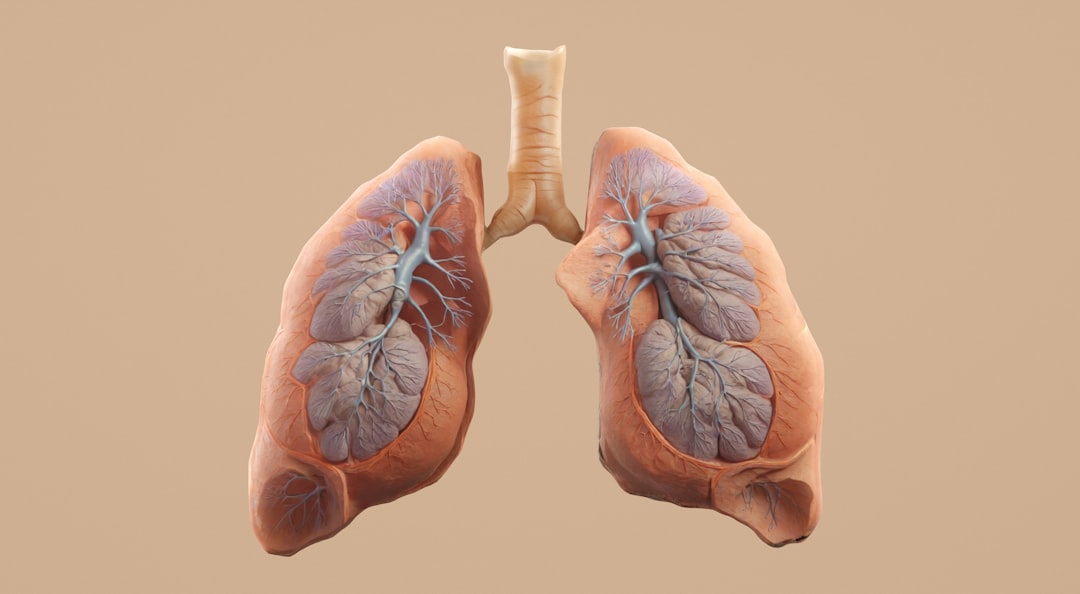
Imagine your body’s internal repair system, usually a marvel of efficiency, starting to falter. Instead of neatly mending damage, it begins to overcompensate, laying down excessive scar tissue that stiffens and obstructs vital organs. This is, in essence, the challenge of fibrosis, a condition where the normal healing process goes awry, leading to a detrimental buildup of connective tissue. While fibrosis can affect various organs, its manifestation in the lungs, known as pulmonary fibrosis (PF), is particularly devastating.
Idiopathic pulmonary fibrosis (IPF), a severe and progressive form of PF, stands out as a formidable foe, especially as we age. Its incidence and severity increase markedly with advancing years, underscoring aging as a primary risk factor. Patients often face a grim prognosis due to limited therapeutic options, highlighting an urgent need for deeper understanding and novel treatments. Recent research is shedding light on a critical mechanism behind this age-related decline in lung repair, pinpointing a specific gene that could hold the key to restoring the body’s natural cleanup capabilities.
The Age-Old Challenge of Lung Scarring
Our bodies possess an innate ability to heal and regenerate. When tissue is damaged, a complex cascade of events is initiated to repair it. Part of this process involves the deposition of extracellular matrix (ECM) – a scaffolding of proteins like collagen – to provide structural support. Once the repair is complete, specialized cells typically work to remodel and remove this excess ECM, ensuring the tissue returns to its normal, flexible state.
However, with age, this delicate balance can be disrupted. Consider a study in animal models where young mice could spontaneously resolve bleomycin-induced pulmonary fibrosis, effectively clearing the scar tissue. In stark contrast, older animals demonstrated a significantly impaired capacity for this repair, resulting in persistent fibrosis. This observation strongly suggests that aging itself compromises the lung’s ability to recover from injury, leading to the chronic scarring characteristic of IPF.
Unraveling the Cellular Cleanup Crew
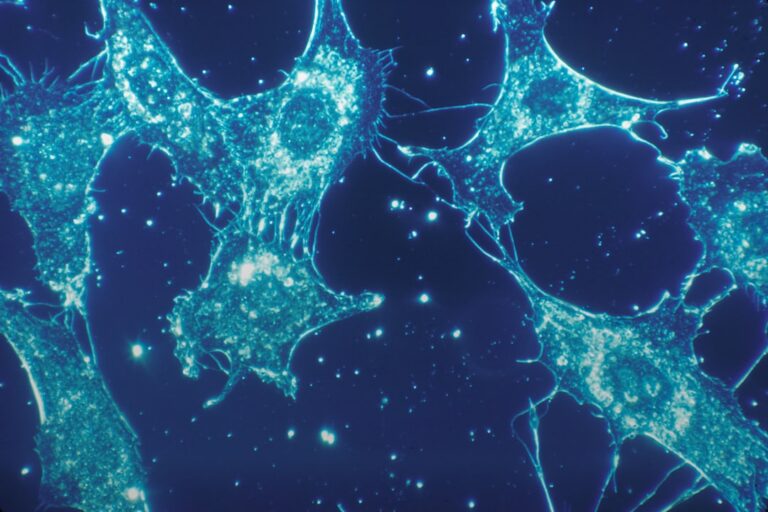
At the heart of ECM degradation are fibroblasts, versatile cells traditionally known for producing collagen. Yet, these cells also play a crucial role in its removal. Alongside macrophages, fibroblasts act as a cellular cleanup crew, capable of ‘eating’ – a process called phagocytosis – fragments of collagen fibrils. Once internalized, these collagen pieces are transported to lysosomes, the cellular recycling centers, where they are broken down into their constituent components.
The new research zeroes in on how aging impairs this vital cleanup function in lung fibroblasts. It reveals that fibroblasts from aged tissues exhibit a reduced capacity to phagocytose and degrade collagen. This isn’t merely a slowdown; it’s a fundamental breakdown in cellular machinery.
The Mitochondria-Lysosome Connection
The study delved deeper, uncovering specific cellular dysfunctions that contribute to this age-related decline:
- Reduced Collagen Phagocytosis: Aged fibroblasts were less efficient at engulfing collagen.
- Elevated Lysosomal pH: Lysosomes, which require an acidic environment to function optimally, were found to be less acidic in aged cells. This ‘neutralization’ impairs their ability to break down ingested material effectively.
- Increased Mitochondrial Reactive Oxygen Species (mitoROS): The mitochondria, our cells’ powerhouses, were producing higher levels of reactive oxygen species. These mitoROS are a form of cellular stress that can damage components within the cell.
Intriguingly, the researchers identified a pathogenic feedback loop: increased mitoROS contributed to lysosomal dysfunction, which in turn further hindered collagen clearance. This vicious cycle traps aged cells in a state where they are less capable of performing their essential cleanup duties.
fPRDM16: A New Hope for Fibrosis Resolution?
The breakthrough came with the identification of a key regulatory gene: fPRDM16. This gene appears to be an upstream orchestrator of the cellular cleanup process. The study found that fPRDM16 expression was downregulated with age and further suppressed by transforming growth factor-beta (TGF-β), a powerful signaling molecule known to promote fibrosis.
When fPRDM16 was experimentally overexpressed in aged fibroblasts, the results were remarkable. Its enhancement:
- Rescued the phagocytic defects, allowing cells to efficiently engulf collagen again.
- Improved lysosomal acidification, restoring the lysosomes’ crucial digestive power.
- Reduced mitoROS, breaking the detrimental mitochondria-lysosome feedback loop.
Essentially, boosting fPRDM16 expression helped to reset the cellular cleanup machinery in aged cells, restoring their capacity to degrade scar tissue. Furthermore, the researchers showed that enhancing lysosomal function with rapamycin or scavenging mitoROS with mitoquinone also restored phagocytosis, providing strong evidence for the identified cellular mechanisms and fPRDM16’s role in governing them.
Looking Ahead: Towards Novel Therapies
This research offers a compelling new perspective on the molecular underpinnings of age-related pulmonary fibrosis. By identifying fPRDM16 as a critical regulator of fibroblast-mediated collagen clearance and uncovering the dysfunctional mitochondria-lysosome loop, scientists have opened a new avenue for therapeutic exploration.
While these findings are currently based on preclinical studies in animal models, they lay important groundwork. The prospect of targeting fPRDM16 or the specific pathways it influences could one day lead to novel strategies to promote fibrosis resolution in humans. Such interventions might not only prevent the progression of diseases like IPF but also potentially reverse existing scarring, offering a ray of hope for millions affected by these debilitating conditions. This work underscores the growing understanding that addressing age-related cellular dysfunction is paramount to extending healthspan and combating age-associated diseases.
Explore more in our Longevity & Biohacking coverage.
🔬 Scientific Takeaway
New research identifies fPRDM16 as a crucial gene in the age-related failure to resolve pulmonary fibrosis. Its downregulation with age impairs fibroblasts' ability to clear collagen via a dysfunctional mitochondria-lysosome feedback loop. Overexpressing fPRDM16 restored cellular cleanup mechanisms in aged cells, suggesting it as a potential therapeutic target to promote scar tissue resolution.
Sources & References
Photo by Aakash Dhage on Unsplash.
Medical Disclaimer: This article is AI-assisted and reviewed by the Vitalheros editorial team. It is provided for informational purposes only and is not a substitute for professional medical advice, diagnosis, or treatment. Always consult a qualified healthcare provider. Reviewed by The Vitalheros Editorial Team.