Unpacking the Liver Aging Index: A New Predictor of Longevity
Some links in this article are affiliate links. As an Amazon Associate and partner of other programs, Vitalheros may earn a commission from qualifying purchases, at no extra cost to you. This never influences our editorial coverage.
The quest to understand and measure biological aging is a cornerstone of modern longevity research. While our chronological age ticks forward predictably, our biological age – the true health and functional state of our tissues and organs – can vary widely. Recent advancements in machine learning are allowing scientists to develop “aging clocks” that offer a more nuanced view of this biological reality. A compelling new development comes from a study focusing specifically on the liver, a vital organ central to metabolism, detoxification, and overall health. Researchers have unveiled a novel Liver Aging Index (LAI) that not only assesses the biological age of the liver but also demonstrates a remarkable ability to predict an individual’s risk of all-cause mortality and liver-related adverse events, often outperforming chronological age itself. This non-invasive tool offers profound insights into the mechanisms driving liver aging and its systemic consequences.
Beyond Chronological Age: The Rise of Biological Clocks
For decades, chronological age has been the primary metric for assessing health risks. However, it’s increasingly clear that biological age – the true health and functional state of our tissues and organs – can vary significantly, often diverging from our calendar years. This discrepancy has fueled the development of biological aging clocks, sophisticated algorithms that leverage vast datasets of biomarkers to estimate an individual’s “biological age.” While many such clocks exist, a liver-specific index holds particular significance. The liver, a metabolic powerhouse involved in nutrient processing, detoxification, and immune function, profoundly influences overall health. Dysfunction here can have cascading effects, making its biological age a critical indicator of systemic health and longevity.
The Liver Aging Index (LAI): A Multifaceted Approach
The newly developed Liver Aging Index (LAI) stands out for its comprehensive, non-invasive design. Developed within the extensive China Kadoorie Biobank (CKB) cohort, comprising over 21,000 participants, the LAI integrates a diverse array of biomarkers to paint a holistic picture of liver health and aging. It incorporates three key categories of information:
- Clinical Factors: Fundamental health measurements like body mass index (BMI), systolic blood pressure, and diastolic blood pressure, reflecting systemic influences on the liver.
- Plasma Biomarkers: Eight common blood tests providing crucial metabolic and liver enzyme insights, including glucose, total cholesterol, triglycerides, high-density lipoprotein (HDL) and low-density lipoprotein (LDL) cholesterol, alanine aminotransferase (ALT), aspartate aminotransferase (AST), and gamma-glutamyl transpeptidase (GGT).
- Imaging Biomarkers: Two advanced non-invasive imaging parameters offering direct insights into liver structure: the fat attenuation parameter (quantifying liver fat content, a marker of fatty liver disease) and liver stiffness measurement (an indicator of fibrosis or scarring).
By combining these varied data points, the LAI creates a robust score that captures the multi-dimensional nature of liver aging, moving beyond single-marker assessments.
Validation and Predictive Power
The true strength of any biological clock lies in its ability to predict meaningful health outcomes. The LAI underwent rigorous external validation in two distinct and large cohorts: the National Health and Nutrition Examination Survey (NHANES) in the US and the VCTE-Prognosis cohort, encompassing data from 16 global centers. Across all these diverse populations, the LAI consistently demonstrated strong discrimination for all-cause mortality, with impressive area under the receiver operating characteristic curve (AUC) values (0.764 in NHANES; 0.759 in VCTE-Prognosis). Crucially, the LAI proved to be a superior predictor of all-cause mortality compared to chronological age alone.
The researchers further defined “liver aging acceleration” (LAA) as the difference between an individual’s LAI and their chronological age. This metric proved to be a powerful indicator of risk. For every one standard deviation increase in LAA, individuals faced a substantially elevated risk of all-cause mortality, ranging from 22% to 85% higher. The risk for liver-related events or mortality was even more pronounced, with increases ranging from 34% to 170%. These figures underscore the profound impact of an “older” liver on overall health and survival.
“The LAI provides a non-invasive, liver-specific biological aging index, offering new insights into the mechanisms underlying liver aging and its profound impact on health outcomes.”
Genetic Insights and Mechanistic Discoveries
Beyond its predictive capabilities, the study also delved into the genetic underpinnings of liver aging. By utilizing genetic instruments identified within the CKB, researchers found a clear link between genetic predisposition to accelerated liver aging and significantly higher risks of severe liver diseases. Specifically, this genetic predisposition was associated with a nearly four-fold increased risk of cirrhosis and an almost eight-fold increased risk of liver cancer. These genetic findings were further validated in the Biobank Japan, reinforcing their robustness.
Perhaps one of the most intriguing discoveries involved the integration of genetics and proteomics (the study of proteins). This analysis revealed novel pathophysiological involvement of the amyloid-beta clearance pathway and amyloid precursor protein in liver aging. While amyloid-beta is famously associated with Alzheimer’s disease in the brain, its implication in liver aging suggests a broader, systemic role for these proteins in the aging process and potentially in various age-related diseases. This finding opens new avenues for understanding how liver aging might connect to other systemic aging processes.
Implications for Health and Longevity
The development of the Liver Aging Index represents a significant step forward in geroscience, offering a potentially powerful tool for:
- Early Risk Identification: Identifying individuals with accelerated liver aging for targeted interventions or closer monitoring.
- Personalized Medicine: Tailoring preventive strategies and treatments based on an individual’s unique biological liver age and associated risks.
- Drug Development: Pinpointing novel targets for therapeutic interventions aimed at slowing or reversing liver aging and its related diseases, especially given insights into pathways like amyloid-beta.
While a strong predictor, the LAI is an assessment index, not a diagnostic tool for specific diseases. However, its ability to non-invasively quantify a crucial aspect of biological aging offers a valuable window into an individual’s longevity prospects.
The Road Ahead
This research underscores the liver’s central role in overall health and aging. While the LAI provides a valuable new metric, the foundational principles of liver health remain paramount: maintaining a healthy weight, managing blood pressure and cholesterol, avoiding excessive alcohol, and making informed dietary choices. Future research will undoubtedly refine such biological clocks, integrate even more diverse data, and explore how interventions can positively impact biological age, ultimately extending healthspan and lifespan. The journey toward understanding and modulating our biological clocks is well underway, and the liver is proving to be a critical timepiece.
Explore more in our Longevity & Biohacking coverage.
🔬 Scientific Takeaway
A new non-invasive Liver Aging Index (LAI) has been developed, integrating clinical, blood, and imaging data. This index predicts all-cause mortality and liver disease risk more accurately than chronological age. Genetic factors contribute to accelerated liver aging, which is linked to severe liver conditions and novel biological pathways.
Sources & References
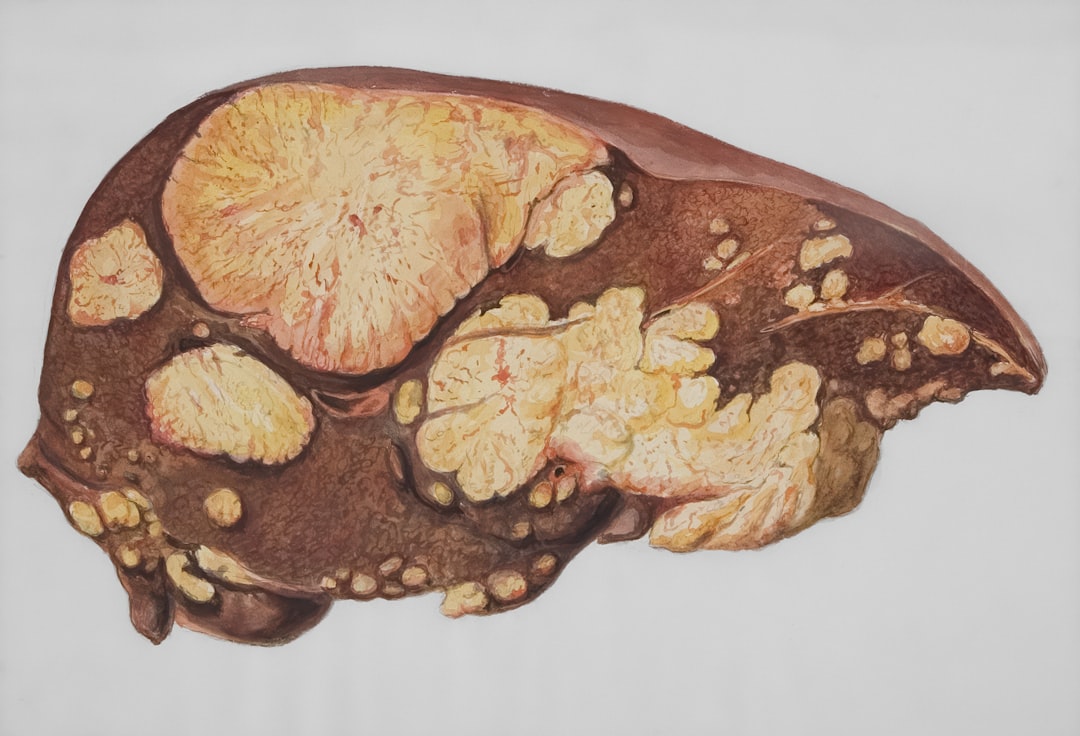
Photo by Europeana on Unsplash.
Medical Disclaimer: This article is AI-assisted and reviewed by the Vitalheros editorial team. It is provided for informational purposes only and is not a substitute for professional medical advice, diagnosis, or treatment. Always consult a qualified healthcare provider. Reviewed by The Vitalheros Editorial Team.