Unlocking Fat Metabolism: The Promise of the Mitch Protein
Some links in this article are affiliate links. As an Amazon Associate and partner of other programs, Vitalheros may earn a commission from qualifying purchases, at no extra cost to you. This never influences our editorial coverage.
The Intricate Dance of Metabolism: A Search for New Solutions
The global challenge of obesity and metabolic dysfunction continues to drive intense scientific inquiry. While diet and exercise remain fundamental pillars of health, the intricate biological mechanisms governing how our bodies store and burn fat are profoundly complex. Researchers are constantly seeking to uncover novel pathways and molecular switches that could offer new avenues for intervention, moving beyond conventional approaches. A recent discovery has brought into focus a protein named “Mitch,” which appears to play a critical role in regulating fat metabolism and energy expenditure, potentially opening doors to innovative therapeutic strategies.
Mitch Protein: A Key Regulator in Cellular Energy
At the heart of every cell, mitochondria function as tiny powerhouses, converting nutrients into the energy our bodies need to thrive. The efficiency and regulation of these mitochondrial processes are crucial for metabolic health. Scientists have identified the Mitch protein as a pivotal player in this cellular energy landscape. While its precise functions have been subjects of ongoing investigation, new research suggests Mitch acts as a kind of “switch” that influences how effectively our cells manage fat.
This protein’s influence extends to several critical aspects of fat metabolism. When researchers explored the effects of inhibiting Mitch, they observed a cascade of favorable metabolic changes. This suggests Mitch may normally act as a brake on fat-burning processes, and its disengagement could release the body’s natural capacity to metabolize lipids more efficiently.
Boosting Fat Burning and Energy Expenditure
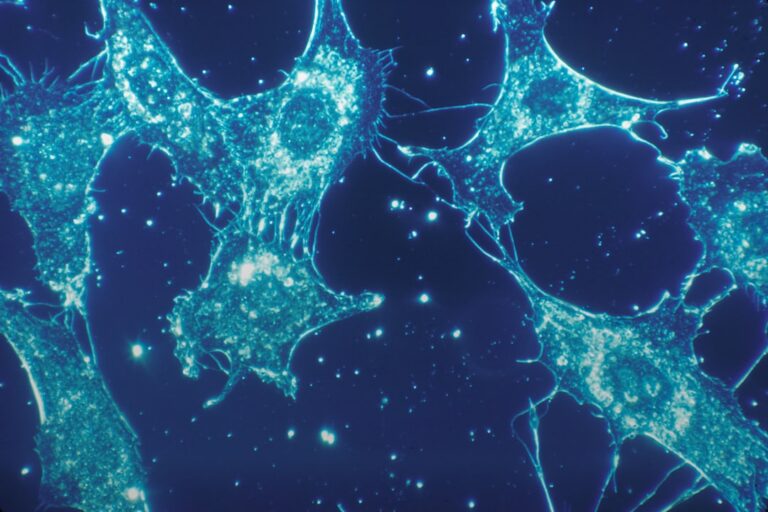
One of the most compelling findings related to Mitch protein involves its impact on fat burning. In laboratory studies, when the activity of Mitch was diminished in human cells, there was a noticeable increase in the cells’ ability to break down and utilize stored fat. This enhanced fat oxidation is a desirable outcome for anyone grappling with excess fat accumulation, as it directly contributes to reducing lipid stores.
Beyond merely burning existing fat, the research also indicated an overall boost in cellular energy use. This means that cells with reduced Mitch activity were not only more efficient at metabolizing fat but also exhibited a higher basal metabolic rate, consuming more energy in general. A sustained increase in energy expenditure can be a powerful tool in weight management, as it helps to create a caloric deficit necessary for fat loss.
Blocking the Formation of New Fat Cells
Perhaps equally significant is Mitch protein’s role in the development of new fat cells, or adipogenesis. The research suggests that disabling Mitch makes it more challenging for new fat cells to form. This dual action—increasing fat burning while simultaneously hindering the creation of new fat storage units—presents a particularly attractive target for metabolic health interventions. Limiting the expansion of adipose tissue is a critical strategy in preventing and managing obesity, as an excessive number of fat cells can contribute to metabolic dysfunction.
Preclinical Insights: Lessons from Mouse Models
The findings from human cell studies gained further validation and context from animal models. Researchers had previously observed intriguing metabolic profiles in mice that were genetically engineered to lack the Mitch protein. These mice presented with several notable characteristics:
- Leaner Body Composition: Despite similar dietary conditions, mice without Mitch protein tended to be significantly leaner than their counterparts with normal Mitch function. This aligns with the enhanced fat burning and reduced fat cell formation observed in human cells.
- Increased Athleticism: The absence of Mitch also appeared to correlate with improved physical performance. These mice demonstrated greater endurance and overall athleticism, suggesting that optimized cellular energy metabolism could translate into better physical capacity.
- Resistance to Obesity: Critically, mice lacking Mitch showed a remarkable resistance to developing obesity, even when challenged with diets typically known to induce weight gain. This finding underscores the potential of Mitch as a therapeutic target for preventing diet-induced obesity.
It is important to remember that findings from animal models, while highly informative, do not always directly translate to humans. However, the consistency between the cellular and animal studies strengthens the hypothesis that Mitch protein plays a fundamental, conserved role in metabolic regulation across species.
Looking Ahead: The Path to Therapeutic Innovation
The discovery of Mitch protein’s role in fat metabolism represents an exciting stride in obesity research. By identifying a specific molecular “switch” that can modulate fat burning and adipogenesis, scientists have pinpointed a promising new target for drug development. The goal would be to develop compounds that can safely and effectively inhibit Mitch protein activity in humans, mimicking the beneficial effects observed in laboratory settings.
This research is still in its early stages, moving from fundamental biological discovery towards potential therapeutic applications. The journey from a promising protein target to an approved medication is typically long and arduous, involving extensive preclinical testing, rigorous clinical trials, and careful consideration of safety and efficacy.
However, the insights gained from studying Mitch protein contribute significantly to our understanding of the complex interplay between cellular energy, fat storage, and overall metabolic health. This knowledge not only fuels the search for new obesity treatments but also enhances our broader comprehension of metabolic diseases, which affect millions worldwide.
Holistic Health and Future Frontiers
While the prospect of targeting proteins like Mitch for metabolic health is compelling, it’s essential to contextualize these scientific advancements within a holistic view of well-being. Lifestyle factors — a balanced diet rich in whole foods, regular physical activity, adequate sleep, and stress management — remain cornerstones of metabolic health. Future therapies targeting specific molecular pathways would ideally complement, rather than replace, these foundational health practices.
The ongoing exploration of proteins like Mitch highlights the dynamic and ever-evolving nature of longevity science. Each discovery brings us closer to a more nuanced understanding of the human body, paving the way for targeted interventions that could one day help individuals achieve and maintain optimal metabolic health, contributing to a longer, more vibrant life.
Explore more in our Nutrition & Performance coverage.
🔬 Scientific Takeaway
Research has identified the Mitch protein as a key regulator of fat metabolism. Inhibiting Mitch in human cells enhances fat burning and increases overall energy expenditure, while also hindering the formation of new fat cells. Preclinical studies in mice further support these findings, showing that a lack of Mitch leads to leaner body composition, increased athleticism, and resistance to obesity, positioning Mitch as a promising target for future metabolic health interventions.
Sources & References
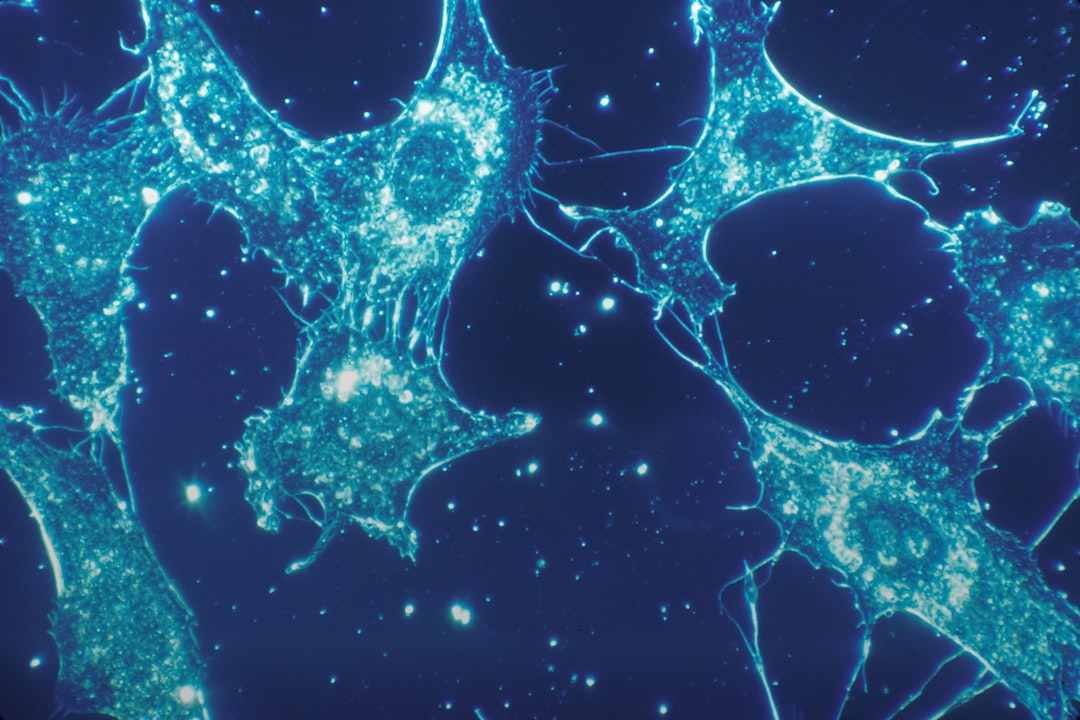
Photo by National Cancer Institute on Unsplash.
Medical Disclaimer: This article is AI-assisted and reviewed by the Vitalheros editorial team. It is provided for informational purposes only and is not a substitute for professional medical advice, diagnosis, or treatment. Always consult a qualified healthcare provider. Reviewed by The Vitalheros Editorial Team.