Beyond Early Career: How Vocational Interests Shape a Lifetime
Some links in this article are affiliate links. As an Amazon Associate and partner of other programs, Vitalheros may earn a commission from qualifying purchases, at no extra cost to you. This never influences our editorial coverage.
The Enduring Power of Personal Passions
For many, the idea of a career interest test conjures images of high school guidance counselors, aptitude questionnaires, and the daunting task of choosing a path for life. We often view vocational interests as a compass for youth, a tool to navigate the initial foray into the professional world. Yet, what if these deeply held preferences for certain types of work or activities are far more influential and persistent than we’ve traditionally understood? New research challenges this conventional wisdom, suggesting that our vocational interests are not merely fleeting guides for early career decisions but profound, enduring forces that shape major life choices across decades, deeply impacting our well-being and even our longevity.
This fresh perspective from Michigan State University illuminates how our core inclinations toward specific activities or work environments continue to exert influence throughout adulthood, guiding not just our professional trajectories but also our personal pursuits, lifestyle choices, and overall satisfaction with life.
Beyond the First Job: A Lifelong Blueprint
The traditional view often compartmentalizes vocational interests as relevant primarily during adolescence and young adulthood. The assumption is that once a career path is chosen, these interests either solidify into a fixed identity or fade into the background. However, the emerging understanding paints a more dynamic picture. Our intrinsic interests—whether in problem-solving, artistic expression, helping others, or working with data—appear to be woven into the fabric of our personalities, remaining remarkably stable and influential over time.
This stability means that a passion for creative arts developed in youth might not just lead to an early career in design, but could later manifest as a mid-life pivot to entrepreneurship, a dedicated hobby that brings immense fulfillment, or even a volunteer role that aligns with a desire to inspire others. These are not merely superficial preferences; they are deeply rooted psychological constructs that drive our engagement with the world.
How Interests Guide Major Life Choices
The research points to a broader impact of vocational interests beyond the obvious career choice. These interests can subtly, yet powerfully, steer us toward a multitude of significant life decisions:
- Career Transitions: An enduring interest in, say, scientific inquiry, might lead an individual to switch from a clinical role to research later in their career, seeking more intellectual stimulation even if it means retraining.
- Educational Pursuits: Someone with a strong social interest might return to school in their 40s to pursue a degree in counseling or social work, driven by a persistent desire to assist others.
- Lifestyle and Hobbies: A person with a pronounced adventurous interest might prioritize travel, outdoor activities, or physically demanding hobbies, which in turn influence their physical health, social circles, and overall life experience.
- Relationship Dynamics: While not directly dictating partners, shared vocational interests can influence the types of communities we join, the social groups we gravitate towards, and the activities we share with loved ones, thereby shaping our social support networks and personal relationships.
- Health Behaviors: An interest in nature or physical activity can directly lead to healthier habits, while an interest in intellectual pursuits might encourage lifelong learning, maintaining cognitive vitality.
These examples illustrate that vocational interests are not confined to the workplace but permeate the entirety of our existence, acting as a kind of internal compass that continually points us toward activities and environments that resonate with our deepest selves.
The Longevity Connection: Fulfillment and Well-being
For a longevity and health portal like Vitalheros, the implications of this research are particularly significant. A life lived in alignment with one’s core interests is often a life rich in meaning, purpose, and engagement. These are not merely pleasantries; they are critical components of holistic well-being and factors increasingly recognized for their role in healthy aging.
“Engaging in activities that genuinely interest us can be a powerful antidote to stress, a catalyst for social connection, and a consistent source of personal growth, all of which contribute to a robust and fulfilling life trajectory.”
When individuals consistently pursue activities that align with their vocational interests, they are more likely to experience:
- Higher Job Satisfaction: Even if a career isn’t perfectly aligned, incorporating elements of one’s interests can boost daily contentment.
- Increased Resilience: Pursuing passions outside of work can provide a vital buffer against professional setbacks or life stresses.
- Enhanced Cognitive Function: Lifelong learning and engagement in intellectually stimulating hobbies, often driven by interests, are linked to better cognitive health in later life.
- Greater Physical Activity: Interests in sports, gardening, or outdoor exploration naturally lead to more active lifestyles.
- Stronger Social Networks: Joining groups or communities centered around shared interests fosters social connection, a known factor in longevity.
The research underscores that ignoring or suppressing one’s intrinsic interests can lead to a sense of disconnect, potentially contributing to burnout, dissatisfaction, and a diminished sense of purpose—all factors that can negatively impact long-term health and vitality.
Embracing Your Lifelong Passions
Understanding the enduring nature of vocational interests offers a powerful invitation for self-reflection at any stage of life. It encourages us to revisit what truly excites us, what problems we are compelled to solve, or what forms of expression bring us joy. This isn’t just about finding a new job; it’s about cultivating a life that consistently nourishes our authentic selves.
For those contemplating mid-life career changes, seeking new hobbies, or simply feeling a sense of unfulfillment, recognizing these persistent interests can be a guiding light. It suggests that the answers may lie not in a complete reinvention, but in a deeper listening to the enduring whispers of our own vocational soul.
Ultimately, this research serves as a potent reminder: our passions are not just youthful curiosities. They are integral parts of who we are, offering a continuous source of direction, meaning, and vitality throughout our entire lives. By honoring these innate inclinations, we can make choices that not only define our careers but enrich our entire existence, paving the way for a more engaged and healthier journey through the decades.
Explore more in our Digital Health coverage.
🔬 Scientific Takeaway
New research from Michigan State University indicates that vocational interests are not confined to early career decisions but remain stable and influential throughout adulthood. These enduring interests guide a broad spectrum of major life choices, including career transitions, educational pursuits, lifestyle habits, and personal fulfillment. Aligning life choices with these core interests contributes significantly to overall well-being and can positively impact longevity by fostering engagement, purpose, and resilience.
Sources & References
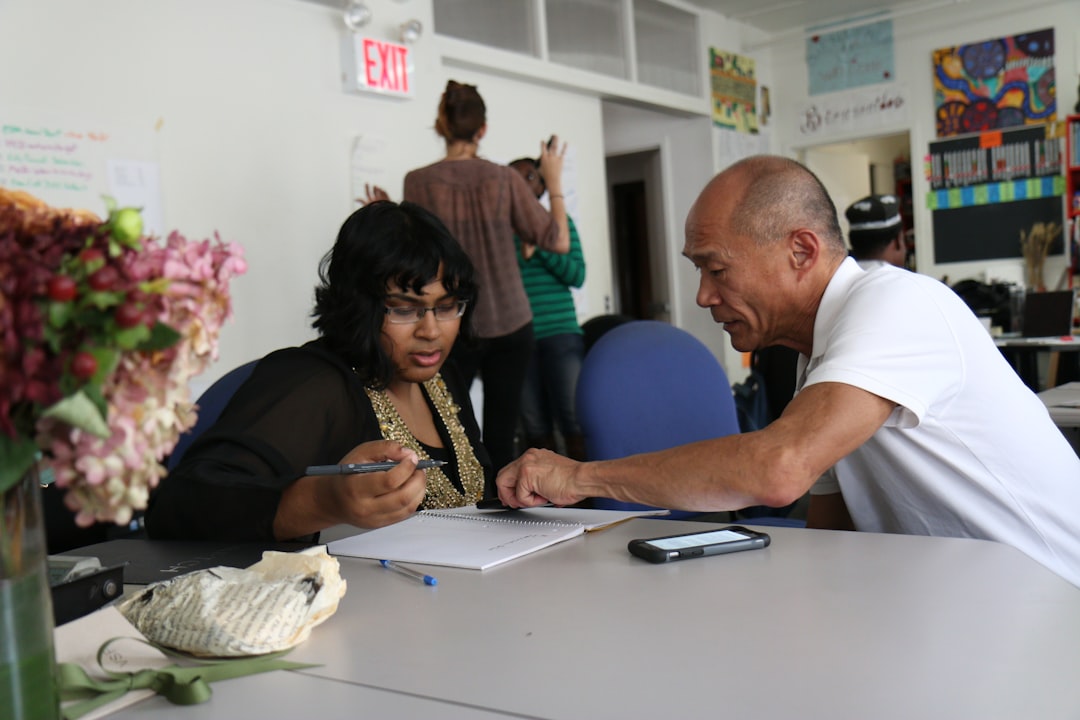
Photo by Monica Melton on Unsplash.
Medical Disclaimer: This article is AI-assisted and reviewed by the Vitalheros editorial team. It is provided for informational purposes only and is not a substitute for professional medical advice, diagnosis, or treatment. Always consult a qualified healthcare provider. Reviewed by The Vitalheros Editorial Team.