
Unraveling the R-Loop Mystery: How Cellular Debris Drives Aging Inflammation
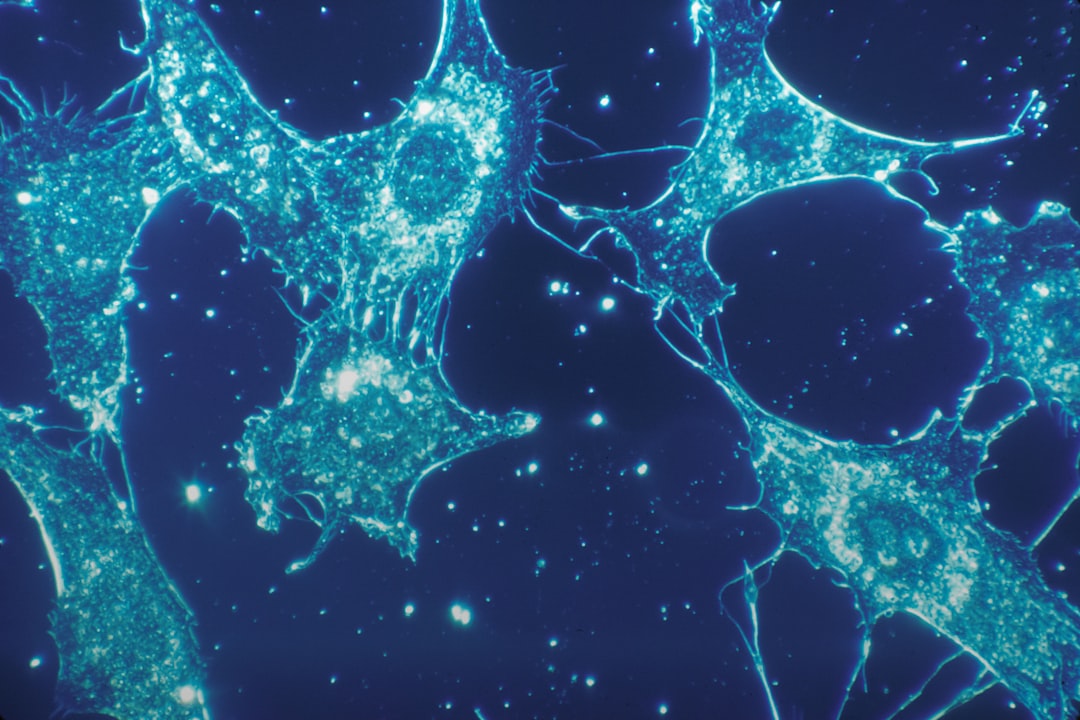
Some links in this article are affiliate links. As an Amazon Associate and partner of other programs, Vitalheros may earn a commission from qualifying purchases, at no extra cost to you. This never influences our editorial coverage.
Aging is an intricate biological process, often characterized by a gradual decline in cellular function and an unwelcome rise in systemic inflammation. This chronic, low-grade inflammation, dubbed “inflammaging,” is a recognized driver of numerous age-related diseases, from cardiovascular issues to neurodegeneration. At its core are senescent cells – cells that have stopped dividing but remain metabolically active, often secreting a cocktail of pro-inflammatory molecules. Understanding precisely how these senescent cells fuel inflammaging is a critical frontier in longevity research.
New findings shed light on a surprising culprit: rogue fragments of genetic material, specifically RNA-DNA hybrids known as R-loops, that escape their usual nuclear confines and accumulate in the cytoplasm of senescent cells. This cellular misplacement appears to be a key trigger for the inflammatory cascade, opening new avenues for therapeutic intervention.
The Enigmatic R-Loops: Guardians Turned Instigators
Our genetic blueprint, DNA, is constantly being read and transcribed into RNA, which then guides the production of proteins essential for life. During this delicate transcription process, RNA can sometimes bind directly to DNA, forming a three-stranded structure called an R-loop. In healthy cells, R-loops are not inherently problematic; they play vital roles in gene expression and even DNA repair. Their formation and dissolution are tightly regulated by specialized enzymes known as helicases.
However, when this regulation falters, R-loops can persist longer than they should. This unchecked persistence contributes to genomic instability – a state of increased DNA damage and mutations that is a hallmark of aging and a precursor to conditions like cancer. Crucially, genomic instability itself can trigger internal inflammatory signals, setting the stage for chronic inflammation throughout the body.
A Cellular Misplacement: R-Loops Beyond the Nucleus
Researchers investigating senescent cells made an intriguing discovery. While senescent cells, generally less transcriptionally active, might be expected to have fewer R-loops overall, the reality was more nuanced. They indeed found fewer R-loops within the nucleus of senescent cells compared to their proliferating counterparts. However, a significant and concerning shift was observed:
Senescent cells harbored a notable increase in R-loops in their cytoplasm, the jelly-like substance outside the nucleus.
These cytoplasmic R-loops originated from two primary sources: the nucleus, where they had been improperly exported, and the mitochondria, the cell’s powerhouses, which possess their own distinct DNA. Many of these migrating R-loops were derived from specific repetitive regions of DNA known as alpha-satellite repeats, areas prone to R-loop formation in senescent nuclei.
The Export Mechanism
The export of these R-loops from the nucleus to the cytoplasm isn’t a random event. It’s actively managed by two endonucleases, XPF and XPG, enzymes typically involved in DNA repair. In senescent cells, the activity of both XPF and XPG was found to be elevated. Interfering with these enzymes, either by genetically reducing their presence or by inhibiting the related export protein XPO1 (for instance, with a compound called KPT-330), significantly reduced the number of cytoplasmic R-loops. This suggests a specific, controllable pathway for R-loop mislocalization.
The Inflammatory Cascade: From R-Loops to SASP
The presence of these misplaced cytoplasmic R-loops isn’t benign. They act as potent inflammatory triggers. The research revealed that these R-loops coalesce with other genetic fragments to form structures called Cytoplasmic Chromatin Fragments (CCFs). These CCFs are known to activate inflammatory pathways. The scientists observed a strong co-localization of R-loops and CCFs in senescent cells, often alongside markers of DNA damage.
A key player in this inflammatory process is the RNA helicase DDX1, an enzyme typically involved in the DNA damage response. In senescent cells, DDX1 showed increased interaction with XPO1 and migrated more extensively into the cytoplasm. DDX1 was found to be crucial for the binding of R-loops to CCFs. When cytoplasmic DDX1 levels were reduced, or its interaction with XPO1 was disrupted, the inflammatory response was significantly dampened.
This entire process culminates in the activation of the Senescence-Associated Secretory Phenotype (SASP). The SASP is a complex mixture of pro-inflammatory cytokines, chemokines, and proteases secreted by senescent cells. It’s a major contributor to inflammaging, spreading inflammatory signals to neighboring healthy cells and tissues. The research demonstrated a direct link: reducing cytoplasmic R-loops, either by increasing their lysosomal digestion or by suppressing CCF formation, effectively reduced SASP production.
The Role of cGAS
The well-known DNA sensor cGAS (cyclic GMP-AMP synthase) also plays a critical role. cGAS is a key component of the innate immune system, designed to detect foreign or misplaced DNA and trigger an immune response. The study found that cGAS was essential for the co-location of R-loops into CCFs, further cementing the idea that these cytoplasmic genetic fragments are perceived as a threat by the cell, initiating an inflammatory defense.
Balancing Act: Therapeutic Potential and Unforeseen Challenges
The implications of these findings for anti-aging therapies are significant. Targeting the mechanisms that lead to cytoplasmic R-loop accumulation or their inflammatory consequences could offer new strategies to combat inflammaging. For instance, treating aged mice (22-month-old females) with KPT-330, which inhibits R-loop transport, significantly extended their lifespan. This treatment also reduced liver damage, fibrosis, total cholesterol, and overall inflammation, particularly in the liver—an organ strongly linked to SASP production.
However, the research also highlighted a critical nuance, presenting what could be a therapeutic dilemma. While reducing the SASP can mitigate systemic inflammation, the SASP also serves as a beacon for the immune system, signaling senescent cells for clearance. In experiments involving cancer cells, reducing DDX1 (and thus SASP) in senescent fibroblasts co-located with ovarian cancer cells reduced tumor growth. This is because SASP can sometimes promote tumor development.
Conversely, when DDX1 was reduced in premalignant liver cells, the immune system’s ability to identify and destroy these potentially harmful cells was impaired. By suppressing the SASP, these senescent cells became adept at evading immune surveillance.
This suggests a delicate balance: while curbing excessive SASP is beneficial for reducing chronic inflammation, completely silencing it might allow some senescent cells to escape immune clearance, potentially leading to other health challenges.
This groundbreaking work identifies a novel pathway linking genomic instability, R-loop mislocalization, and systemic inflammation in aging. It offers promising new targets for interventions aimed at extending healthy lifespan. However, it also underscores the complexity of cellular aging and the need for careful consideration of potential trade-offs when modulating fundamental biological processes. Further research will be crucial to navigate this intricate balance and develop truly effective and safe longevity therapies.
Explore more in our Longevity & Biohacking coverage.
🔬 Scientific Takeaway
Senescent cells, characterized by fewer nuclear R-loops, accumulate these RNA/DNA hybrids in their cytoplasm. This cytoplasmic accumulation, facilitated by specific endonucleases and DDX1, forms chromatin fragments that activate inflammatory pathways, notably the SASP. Modulating this R-loop export or degradation shows promise in reducing age-related systemic inflammation, though potential trade-offs regarding immune surveillance require further investigation.
Sources & References
Photo by National Cancer Institute on Unsplash.
Medical Disclaimer: This article is AI-assisted and reviewed by the Vitalheros editorial team. It is provided for informational purposes only and is not a substitute for professional medical advice, diagnosis, or treatment. Always consult a qualified healthcare provider. Reviewed by The Vitalheros Editorial Team.