The Hallmarks of Aging: How a Framework Shapes Longevity Science

Some links in this article are affiliate links. As an Amazon Associate and partner of other programs, Vitalheros may earn a commission from qualifying purchases, at no extra cost to you. This never influences our editorial coverage.
The quest to understand and ultimately mitigate aging is one of humanity’s most ambitious scientific endeavors. Yet, for decades, the field of geroscience grappled with a fundamental challenge: a lack of consensus on what aging truly is, why it occurs, and how best to tackle it. This inherent complexity often led to fragmented research, with scientists debating foundational definitions rather than solely focusing on data.
Amidst this intricate landscape, a conceptual framework emerged that would profoundly reshape the trajectory of longevity research: The Hallmarks of Aging. More than just a list, these hallmarks have become a guiding compass, helping scientists navigate the vast complexities of biological aging and accelerate the development of interventions aimed at extending healthy human lifespan.
The Enduring Quest to Understand Aging
For much of its history, the study of aging resembled a patchwork quilt of theories and observations. Researchers approached the phenomenon from myriad angles, leading to a rich but often disparate body of knowledge. Was aging simply wear and tear? A genetic program? A consequence of accumulated damage? Each perspective offered valuable insights, but a unifying theory remained elusive.
This lack of a common language or shared understanding posed significant hurdles. It made it challenging to compare findings across different labs, to prioritize research areas, and to build a cohesive strategy for developing therapies. The scientific community recognized the need for a more structured approach, a way to categorize the diverse manifestations and underlying mechanisms of aging into a coherent, actionable framework.
From Diverse Theories to a Guiding Framework
Early attempts to systematize aging included frameworks like the Strategies for Engineered Negligible Senescence (SENS), which proposed specific categories of damage accumulation as root causes of aging, alongside a call for intervention. Later, the Pillars of Aging also emerged, offering another perspective on the fundamental processes driving age-related decline. However, it was the Hallmarks of Aging, first articulated in a seminal paper, that truly captured the scientific imagination and provided a widely adopted taxonomy.
These hallmarks outlined a set of fundamental cellular and molecular processes that are consistently altered during aging and, crucially, are amenable to therapeutic intervention. They moved the conversation from abstract definitions to tangible, measurable biological changes, providing a roadmap for investigation.
The Hallmarks of Aging: A Unifying Language for Geroscience
The impact of the Hallmarks of Aging on geroscience cannot be overstated. They quickly transitioned from an academic concept to a practical tool, becoming a dominant paradigm for understanding and addressing age-related conditions. Scientists began to use them as a common lexicon, facilitating communication and collaboration across diverse sub-disciplines.
How the Hallmarks Shaped Research
The Hallmarks of Aging effectively transformed into a ‘checklist’ for many researchers. When designing studies or proposing therapeutic strategies, scientists often reference these hallmarks to ensure their work aligns with recognized mechanisms of aging. This framework has helped to:
- Identify Research Targets: By categorizing aging into distinct, actionable areas (e.g., cellular senescence, mitochondrial dysfunction, epigenetic alterations), the hallmarks have helped researchers pinpoint specific biological pathways to investigate.
- Guide Therapeutic Development: Many emerging longevity therapies are designed to address one or more of these hallmarks, from senolytics targeting senescent cells to compounds aimed at improving proteostasis.
- Foster Interdisciplinary Collaboration: The shared language provided by the hallmarks has enabled scientists from different backgrounds—molecular biologists, geneticists, clinicians—to collaborate more effectively on common goals.
- Structure Funding Priorities: Research institutions and funding bodies often use the hallmark framework to evaluate and prioritize projects, ensuring resources are directed towards areas with high potential for impact.
A Philosophical Lens on Scientific Progress
The remarkable success and widespread adoption of the Hallmarks of Aging have not gone unnoticed. Recent analyses, drawing on the philosophy of science, have sought to understand why this particular framework achieved such prominence. By applying the perspectives of philosophers like Kuhn, Lakatos, Laudan, Kitcher, and Galison, these analyses shed light on the Hallmarks’ profound influence:
“The Hallmarks of Aging function as a pragmatic device that harmonizes methods, data, and scientific communities, enabling collaboration even in the absence of full theoretical convergence.”
- Kuhnian Paradigm Shift: From a Kuhnian perspective, the Hallmarks provided geroscience with a ‘normal science’ paradigm, defining what constituted valid evidence and pertinent interventions, thereby structuring research.
- Lakatosian Research Program: Lakatos’s view suggests the Hallmarks established a theoretical core, allowing new models and classifications to expand the empirical horizon without questioning fundamental assumptions.
- Laudan’s Problem-Solving: Under Laudan’s approach, the Hallmarks reorganized the field’s ‘problem-space,’ making empirical and conceptual challenges more coherent and solvable within a structured environment.
- Kitcher’s Contextual Success: Kitcher’s ideas highlight the Hallmarks’ success not just in theoretical terms, but in its organizational capacity and its ability to diffuse as a common, unifying reference point for the community.
- Galison’s Trading Zone: Perhaps most compellingly, the Hallmarks are seen as a ‘trading zone’—a pragmatic space where scientists with diverse methodologies and even differing theoretical views can collaborate effectively, bridging gaps and working towards shared goals despite underlying disagreements on the ultimate definition of aging.
This philosophical insight underscores that the Hallmarks’ power lies not necessarily in providing a definitive, unchallengeable truth, but in their immense utility as a conceptual tool for organizing, guiding, and accelerating scientific inquiry.
Beyond the Checklist: The Future of Aging Research
While the Hallmarks of Aging have provided an invaluable structure, the field of geroscience remains dynamic and ever-evolving. New discoveries continually refine our understanding of biological aging, leading to proposed additions or modifications to the existing framework. For instance, some researchers suggest including aspects like microbiota dysbiosis or altered intercellular communication as emerging hallmarks.
The ongoing debate over fundamental questions—like the precise interplay between different hallmarks or the optimal ways to measure biological age—persists. Yet, the Hallmarks have created a robust foundation upon which these discussions can occur productively. They have helped transform aging from an inscrutable, inevitable process into a set of addressable biological mechanisms.
Ultimately, the Hallmarks of Aging represent a triumph of scientific organization. By providing a clear, actionable framework, they have empowered researchers worldwide to collaborate, innovate, and push the boundaries of what’s possible in the pursuit of healthier, longer lives. As geroscience continues its rapid ascent, these hallmarks will undoubtedly remain a cornerstone, guiding us closer to a future where age-related diseases are not an inevitability, but a treatable condition.
Explore more in our Longevity & Biohacking coverage.
🔬 Scientific Takeaway
The Hallmarks of Aging framework has been instrumental in unifying geroscience, providing a common language and roadmap for understanding and intervening in biological aging. Its success stems from its pragmatic utility in organizing research, guiding therapeutic development, and fostering collaboration, even amidst ongoing theoretical debates in the field. This framework has accelerated progress towards addressing age-related diseases.
Sources & References
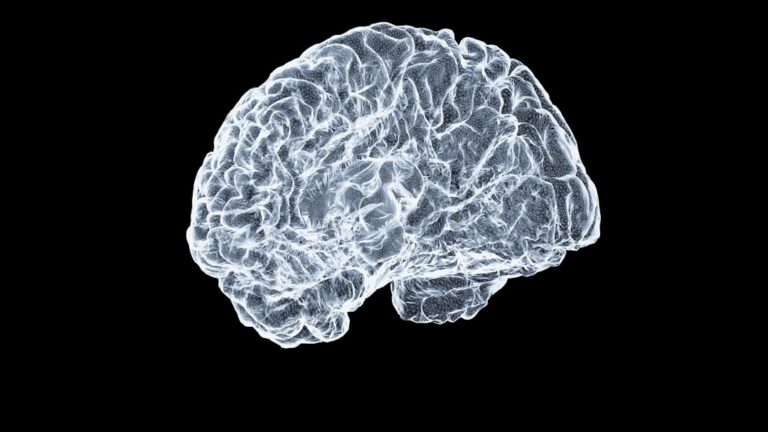
Photo by Trnava University on Unsplash.
Medical Disclaimer: This article is AI-assisted and reviewed by the Vitalheros editorial team. It is provided for informational purposes only and is not a substitute for professional medical advice, diagnosis, or treatment. Always consult a qualified healthcare provider. Reviewed by The Vitalheros Editorial Team.