Intermittent Hypoxia and Epigenetic Age: A Nuanced View

Some links in this article are affiliate links. As an Amazon Associate and partner of other programs, Vitalheros may earn a commission from qualifying purchases, at no extra cost to you. This never influences our editorial coverage.
Unpacking Intermittent Hypoxia’s Complex Role in Longevity
The quest for a longer, healthier life often leads researchers down fascinating paths, exploring everything from diet to environmental stressors. Among these, intermittent hypoxia (IH) — periods of reduced oxygen followed by normal oxygen levels — has garnered significant attention. It’s a concept with a dual reputation: on one hand, it’s considered a potential hormetic stressor that could boost resilience and slow aging; on the other, prolonged or severe hypoxia is undeniably detrimental to health. A recent study sheds new light on this complexity, revealing that IH can temporarily accelerate epigenetic aging, particularly in older organisms and specific tissues.
For years, mild, controlled intermittent hypoxia has been explored for its potential health benefits, often linked to a concept called hormesis. This biological phenomenon describes how low doses of stressors can trigger adaptive responses that ultimately improve an organism’s health and stress resistance. Think of exercise, which causes temporary muscle damage but ultimately leads to stronger muscles. Similarly, proponents suggest that carefully managed IH might activate cellular pathways beneficial for longevity.
However, the line between beneficial stress and outright harm is fine. Chronic or severe oxygen deprivation, such as that experienced in certain medical conditions or at extreme altitudes, is known to be damaging, potentially overwhelming any protective mechanisms. This new research offers a more granular understanding of how oxygen fluctuations might influence our biological clock.
Understanding Epigenetic Age: More Than Just Calendar Years
Before diving into the study’s specifics, it’s crucial to grasp what “epigenetic age” means. Unlike chronological age, which simply counts the years since birth, epigenetic age is a measure of biological age derived from patterns of DNA methylation – chemical modifications to DNA that influence gene activity without changing the underlying genetic code. These patterns, often referred to as “epigenetic clocks,” are thought to reflect the cumulative impact of lifestyle, genetics, and environment on our cells.
A key point to remember is that epigenetic age is commonly assessed from blood samples. Since immune cells are the primary nucleated cells in blood, these epigenetic clocks often provide a snapshot of immune system aging rather than a comprehensive measure of every cell type in the body. While immune aging is a significant component of overall aging, it doesn’t necessarily perfectly mirror the aging processes occurring in other tissues like the heart or brain. This distinction becomes particularly relevant when interpreting studies on environmental factors like oxygen availability.
The Mouse Study: Age-Specific and Reversible Effects
The recent open-access paper investigated the effects of intermittent hypoxia on epigenetic age in mice. The researchers exposed both adult (11-month-old) and old (23-month-old) mice to a month of intermittent hypoxia, followed by a period of recovery in normal oxygen conditions. What they found was quite telling:
- Age-Specificity: Epigenetic age acceleration was observed only in the old mice, not in their younger counterparts. This suggests that older organisms might be more susceptible to epigenetic shifts induced by oxygen fluctuations.
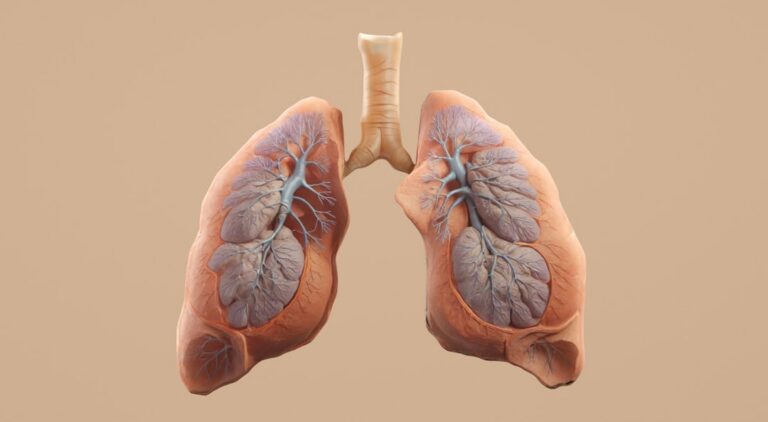
- Tissue-Specificity: The acceleration occurred in specific tissues, namely the lungs, spleen, and heart. This highlights that different organs might respond uniquely to hypoxic stress.
- Reversibility: Crucially, when the mice returned to normal oxygen levels, the epigenetic age acceleration reversed. This transient nature suggests that the epigenetic changes weren’t permanent damage but rather an adaptive, albeit temporary, response to the environmental stressor. The researchers noted that these reversible shifts were enriched at bivalent domains and PRC2 targets, indicating oxygen-sensitive chromatin remodeling.
These findings provide important evidence that oxygen availability can act as a direct, conserved modulator of epigenetic aging, capable of driving reversible changes in DNA methylation patterns.
Human Parallels: Insights from High-Altitude Exposure
The mouse study’s findings resonate with observations in humans. The researchers referenced data from the AltitudeOmics study, which involved young adults undergoing baseline testing at sea level before rapidly ascending to a high altitude (5260m). This human data, obtained from blood samples, also revealed rapid and conserved epigenetic aging. Like the mouse study, these findings primarily reflect immune aging due to the nature of the samples.
“Our findings establish oxygen availability as a primary, conserved modulator of epigenetic aging across tissues and species, showing that oxygen fluctuations are a potent, reversible driver of epigenetic aging.” – Study Authors
Previous epidemiological studies on high-altitude populations have presented a mixed picture. While some research has suggested accelerated immune aging in these groups, a definitive link between high-altitude living and widespread, irreversible acceleration of overall aging has been harder to establish. Factors like socioeconomic status, diet, and access to healthcare can confound such analyses. The reversibility observed in the mouse study and the rapid changes in the AltitudeOmics project suggest that these epigenetic shifts might be more akin to a dynamic physiological response than a permanent hastening of the aging process.
Navigating the Nuance: Beneficial Stress vs. Detrimental Exposure
This research underscores the critical difference between controlled, mild, and often beneficial intermittent hypoxia protocols (like those sometimes used in athletic training or experimental therapies) and more prolonged or severe oxygen deprivation. The key takeaways from this study emphasize:
- Dose and Duration Matter: The intensity and length of hypoxic exposure are crucial. What might be hormetic in small, controlled doses could be detrimental when sustained or severe.
- Age is a Factor: Older individuals might exhibit different, potentially more pronounced, responses to oxygen fluctuations.
- Tissue Specificity: Not all tissues respond identically. The immune system, lungs, spleen, and heart showed sensitivity in this study, but other organs might react differently or not at all.
- Reversibility: The transient nature of the epigenetic changes is a vital finding. It suggests cellular mechanisms can adapt and recover once normal oxygen levels are restored.
For those interested in longevity, this research doesn’t necessarily invalidate the concept of hormetic benefits from mild, controlled stressors. Instead, it adds a layer of sophistication, urging caution and precision in understanding how biological systems respond. It highlights that even seemingly beneficial interventions can have complex, multi-faceted effects that warrant careful investigation.
Future Directions and Longevity Implications
This study represents a significant step forward in understanding the intricate relationship between oxygen availability, epigenetics, and aging. It reinforces the idea that aging is not a linear, monolithic process but a dynamic interplay of various factors at the cellular and molecular level. Future research will undoubtedly delve deeper into the specific molecular mechanisms behind these reversible epigenetic shifts, exploring whether they are truly markers of accelerated aging or simply adaptive responses to environmental cues.
For now, the message for those pursuing longevity remains clear: understanding the nuances of how our bodies respond to stressors, including oxygen fluctuations, is paramount. While the promise of hormesis is compelling, a measured, evidence-based approach is essential, especially when considering interventions that might impact fundamental biological processes like epigenetic regulation.
Explore more in our Longevity & Biohacking coverage.
🔬 Scientific Takeaway
A new study in mice and humans demonstrates that intermittent hypoxia can cause a transient increase in epigenetic age, particularly in older mice and human immune cells. This epigenetic acceleration is reversible upon return to normoxia and appears to be an age- and tissue-specific response to oxygen fluctuations, rather than permanent damage. The findings emphasize oxygen's role as a dynamic modulator of epigenetic aging and highlight the complex, nuanced relationship between hypoxic stress and biological age.
Sources & References
Photo by Djim Loic on Unsplash.
Medical Disclaimer: This article is AI-assisted and reviewed by the Vitalheros editorial team. It is provided for informational purposes only and is not a substitute for professional medical advice, diagnosis, or treatment. Always consult a qualified healthcare provider. Reviewed by The Vitalheros Editorial Team.