Synthetic Protein Hybrid: A Promising New Avenue for Liver Health

Some links in this article are affiliate links. As an Amazon Associate and partner of other programs, Vitalheros may earn a commission from qualifying purchases, at no extra cost to you. This never influences our editorial coverage.
Chronic liver diseases represent a significant global health challenge, affecting millions and often progressing to severe conditions like cirrhosis, liver failure, and even cancer. Despite advancements in medical science, effective treatments that can halt or reverse the progression of many liver ailments remain elusive. This unmet need drives relentless innovation in medical research, and a recent development involving a novel synthetic protein hybrid offers a glimpse into a potentially transformative future for liver health.
The Unfolding Challenge of Liver Disease
The liver, a vital organ, performs over 500 essential functions, including detoxification, protein synthesis, and nutrient metabolism. However, it is also susceptible to damage from various factors such as viral infections (hepatitis B and C), alcohol abuse, metabolic disorders (non-alcoholic fatty liver disease, NAFLD, and its more severe form, non-alcoholic steatohepatitis, NASH), and autoimmune conditions.
Current Therapeutic Landscape and Its Limitations
For many chronic liver conditions, current treatments primarily focus on managing symptoms, slowing disease progression, or addressing the underlying cause if possible (e.g., antiviral drugs for hepatitis). However, once significant damage, particularly fibrosis (scarring) or cirrhosis, has occurred, therapeutic options become limited. Liver transplantation remains the only cure for end-stage liver disease, but it is a complex procedure with significant challenges, including donor availability, lifelong immunosuppression, and potential complications.
The intricate pathophysiology of liver disease, often involving chronic inflammation, oxidative stress, and progressive fibrosis, makes developing targeted therapies incredibly difficult. Many experimental drugs have failed in clinical trials due to a lack of efficacy or unacceptable side effects, underscoring the urgent need for novel approaches.
Introducing the Synthetic Protein Hybrid: A New Therapeutic Paradigm
Amidst these challenges, scientific exploration continues to push boundaries, particularly in the realm of biomolecular engineering. The concept of a synthetic protein hybrid represents a sophisticated attempt to design a molecule with precise therapeutic properties, combining elements that can target multiple pathological pathways simultaneously or deliver highly specific actions within the liver.
How Does This Hybrid Protein Work?
A synthetic protein hybrid is not a naturally occurring molecule. Instead, it is meticulously engineered in a laboratory to possess specific functions. The ‘hybrid’ aspect suggests that it might incorporate features from different proteins or combine a protein component with other molecular structures. This design allows researchers to create a molecule that can:
- Target specific receptors: Interacting with proteins on cell surfaces that are implicated in liver disease progression.
- Modulate signaling pathways: Influencing the complex chemical messages within cells that drive inflammation or fibrosis.
- Deliver therapeutic agents: Acting as a vehicle to transport beneficial compounds directly to damaged liver cells.
- Mimic natural protective mechanisms: Replicating the beneficial actions of endogenous molecules that protect the liver.
The precision of such an engineered molecule is its key advantage. By designing a hybrid protein, scientists aim to overcome the limitations of single-target drugs, which often fail to address the multifaceted nature of chronic liver conditions.
Targeting the Roots of Liver Damage
While specific mechanisms would depend on the hybrid’s design, potential therapeutic actions could include:
- Reducing Inflammation: Chronic inflammation is a hallmark of most liver diseases, fueling damage and fibrosis. A hybrid protein could be designed to neutralize pro-inflammatory signals or promote anti-inflammatory responses.
- Inhibiting Fibrosis: Liver fibrosis, the excessive accumulation of scar tissue, is a critical step towards cirrhosis. The hybrid might interfere with the activation of hepatic stellate cells, the primary collagen-producing cells in the liver, or promote the breakdown of existing scar tissue.
- Promoting Regeneration: The liver has remarkable regenerative capacity. A synthetic protein could potentially stimulate the growth of healthy liver cells or aid in the repair of damaged tissues, helping to restore normal liver function.
- Protecting Hepatocytes: Liver cells (hepatocytes) are vulnerable to injury. A hybrid protein might shield these cells from oxidative stress, toxins, or other damaging agents.
By addressing these fundamental processes, a synthetic protein hybrid holds the potential to not just slow, but perhaps even reverse, aspects of liver damage.
Potential Applications and Future Directions
The promise of such a therapeutic agent extends across a spectrum of liver diseases that currently lack adequate treatments.
Addressing a Spectrum of Liver Conditions
Diseases that could potentially benefit from this novel approach include:
- Non-alcoholic Steatohepatitis (NASH): A progressive form of fatty liver disease that can lead to cirrhosis and liver cancer, for which no FDA-approved treatments currently exist.
- Alcoholic Hepatitis and Liver Disease: Conditions driven by alcohol abuse, leading to inflammation and scarring.
- Chronic Viral Hepatitis: For patients who do not respond to existing antiviral therapies or have advanced fibrosis.
- Autoimmune Liver Diseases: Such as primary biliary cholangitis or autoimmune hepatitis, where immune system dysregulation causes liver damage.
The broad applicability stems from the potential to target common pathological pathways that underlie various forms of liver injury.
The Path Ahead: From Lab to Clinic
It is crucial to emphasize that a
Explore more in our Digital Health coverage.
🔬 Scientific Takeaway
A novel synthetic protein hybrid is emerging as a promising research target for chronic liver diseases. By engineering a molecule with specific therapeutic properties, scientists aim to target the complex pathological processes underlying liver damage, such as inflammation, fibrosis, and impaired regeneration. This innovative approach holds potential to offer more effective treatments for conditions like NASH and cirrhosis, representing a significant step forward in biomolecular medicine for liver health.
Sources & References
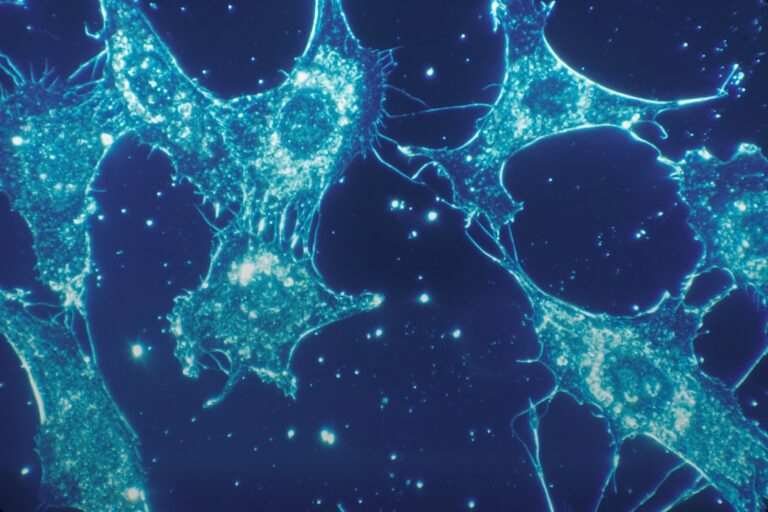
Photo by National Cancer Institute on Unsplash.
Medical Disclaimer: This article is AI-assisted and reviewed by the Vitalheros editorial team. It is provided for informational purposes only and is not a substitute for professional medical advice, diagnosis, or treatment. Always consult a qualified healthcare provider. Reviewed by The Vitalheros Editorial Team.